
Last updated November 25, 2026
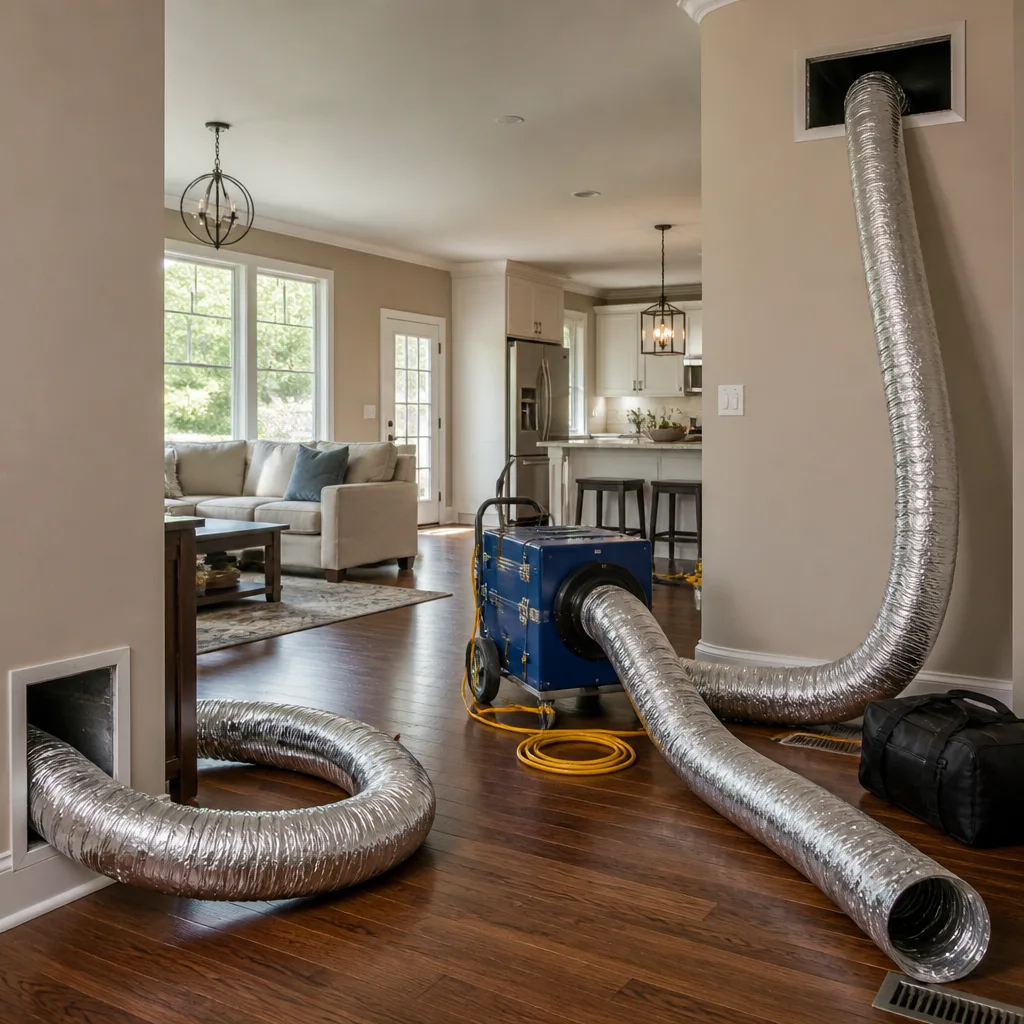 Whole-home duct cleaning
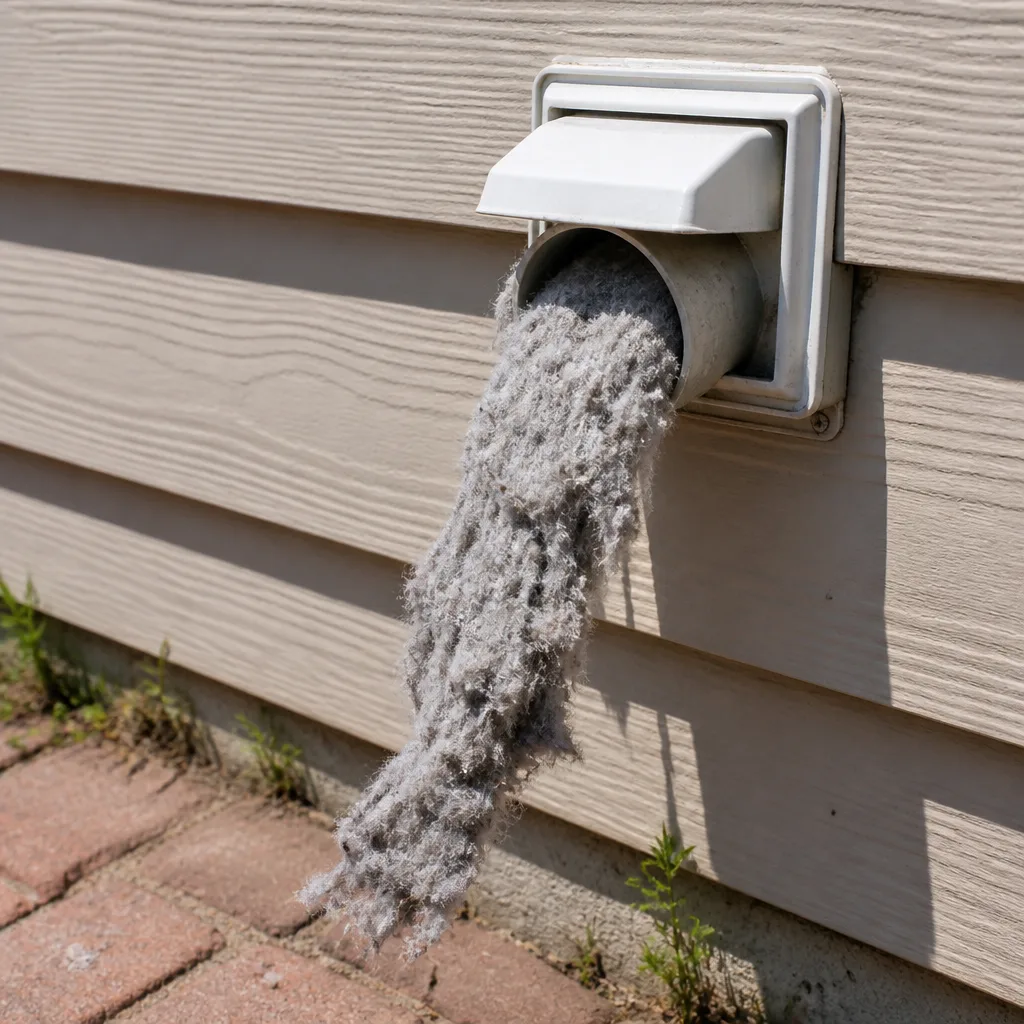 Dryer vent cleaning
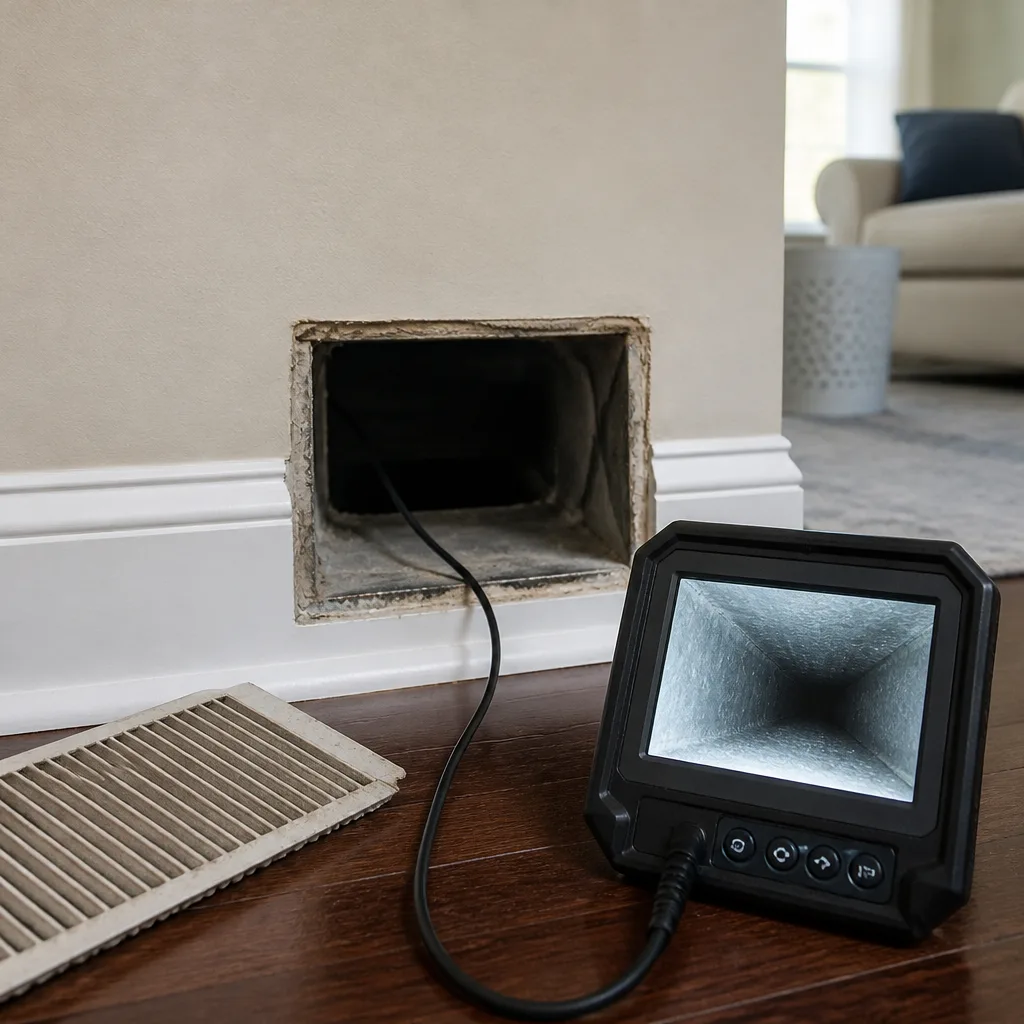 Camera inspection
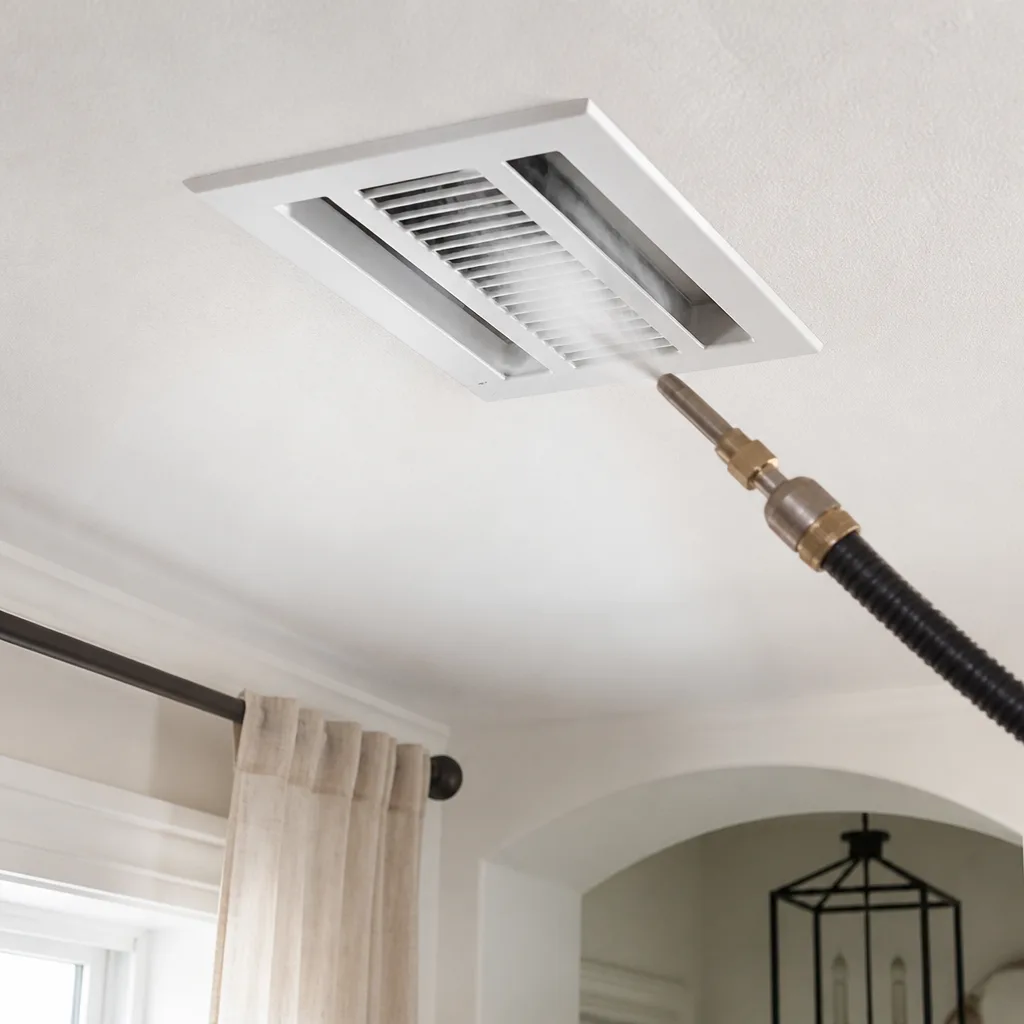 Sanitizing & deodorizing
Whole-system duct and dryer vent check with before-and-after photos - you see exactly what came out of your vents
That "$99 whole-house special" is a bait ad - the real number appears once they are in your hallway, or the "clean" is a shop-vac at the register. We photograph the inside of your ducts before and after instead.
Seasonal Air Duct Cleaning Care for Puyallup: Year-Round Homeowner’s Guide
Most homeowners treat duct cleaning like a single box to tick every few years. That approach misses what’s actually happening inside the system. Puyallup’s four seasons don’t stress ductwork the same way, and the problems that build up in November look nothing like the ones that show up in July. Flex duct running through a damp crawl space during our wet shoulder seasons can gather enough surface condensation to support mold growth in a matter of weeks, and you won’t see it until a summer filter check when the damage is already done. This guide walks through what each season does to your ducts, what to check, and how to calendar service around Puyallup’s climate instead of a generic national schedule.
Quick Answer
Seasonal duct care in Puyallup means matching the work to what each quarter does to your system: fall heating startup and pest checks, winter condensation watch in crawl space flex duct, spring pollen infiltration through return-air gaps, and summer wildfire smoke protocol. Instead of a blanket “every three to five years” rule, you inspect and clean based on what the system has actually been through.
Styles & brands we work with
- Whole-home duct cleaning
- Dryer vent cleaning
- Camera inspection
- Sanitizing & deodorizing
Table of Contents
- Why Seasonal Care Beats a Generic Cleaning Schedule
- Fall: Preparing Your Ducts for Heating Season
- Winter: Condensation, Combustion, and Crawl Space Flex Duct
- Spring: Post-Heating Inspection and Pollen Control
- Summer: The Wildfire Smoke Protocol
- How to Calendar Service Visits Around Puyallup’s Climate
- Dryer Vent Care Through the Seasons
- Signs Your Ducts Need Attention Now, Not Next Quarter
Why Seasonal Care Beats a Generic Cleaning Schedule
The national advice to clean ducts every three to five years assumes a fairly stable environment. Puyallup doesn’t offer that. We get wet, cool shoulder seasons that push relative humidity up inside crawl spaces. We get dry summers that pull wildfire smoke across the valley from regional fires. We get a heating season long enough that the furnace runs for months. Each of those conditions deposits something different in your ductwork, and each one demands its own response.
Think about it as four stress patterns rather than one annual task. A homeowner who cleans once every four years might be spotless in October and filthy by the following August, depending on what the system has pulled through it. A homeowner who checks and adjusts based on season will catch problems while they’re still small.
The biology matters too. Mold doesn’t wait for a scheduled cleaning. It grows where condensation sits, and in Puyallup, condensation on flex duct in a crawl space can appear within weeks during a wet spring. By the time you notice a musty smell drifting from a register, colonies have usually spread through the duct liner.
Our technicians have up to 11 years of experience working in this climate, and the pattern is consistent: the systems that stay cleanest are the ones whose owners match their care to the calendar rather than a fixed interval. It’s a shift in thinking, from “how often” to “when and why.”
When you’re ready to move from general guidance to actual service, Puyallup Air Duct Cleaning Pros handles the full picture, from inspection to repair, in one visit.
What the Four Seasons Actually Do
- Fall: Heating season starts, rodents and insects look for warmth, and the system pulls in leaves, pollen debris, and outdoor dust for the first time in months.
- Winter: The furnace runs hard, condensation risks in cold crawl spaces spike, and combustion byproducts interact with any buildup already in the ducts.
- Spring: The heating season ends, pollen season peaks, and return-air gaps become entry points for tree pollen and fine outdoor debris.
- Summer: Wildfire smoke from regional fires finds its way into the system through the same pathways, and smoke particles behave very differently from ordinary household dust.
Fall: Preparing Your Ducts for Heating Season
Fall is when your duct system wakes up after a slow summer. The furnace comes on, air begins moving through months of accumulated dust, and whatever has been sitting in the ductwork gets pulled into the living space. It’s also the season when pests find their way in. Cooler nights push mice and insects toward warm spaces, and duct runs in attics and crawl spaces are attractive shelter.
The right approach in Puyallup is a pre-heating inspection and cleaning before the furnace runs regularly. You want the system clear when the first cold snap hits, not afterwards.
Fall Checklist for Puyallup Homeowners
- Inspect return and supply vents for visible dust, debris, or signs of pest activity (droppings, nesting material, chewed insulation).
- Check the air handler and filter for a dirty filter left over from summer cooling. Replace and note the date.
- Look at accessible duct runs in attic and crawl space for disconnected joints, crushed sections, or tears where pests might have entered.
- Schedule a full-system clean if the ducts haven’t been serviced in over three years, or if you notice a musty odor on first heat. That first warm-air smell is usually conditioned air pushing through months of settled debris.
- Seal obvious gaps where return ducts meet the air handler or where flex duct has pulled loose.
- Verify the furnace combustion venting is clear and not drawing air back through contaminated ductwork.
For a deeper dive into what a professional service does during this pre-heating visit, see our guide to air duct cleaning.
Winter: Condensation, Combustion, and Crawl Space Flex Duct
Winter is the season when Puyallup’s ductwork takes its heaviest load. The furnace is running more than any other time of year, and in crawl spaces under older homes, the temperature gradient between warm moving air inside the duct and cold, damp air outside it can create real condensation issues.
Flex duct is especially vulnerable. Because flex duct has an outer vapor barrier and inner liner, moisture that forms on the inner surface of the liner has nowhere to go. Over weeks of the furnace cycling, that moisture can support active mold growth. This is the point the guide started with, and it’s worth repeating because most homeowners never see it until a technician inspects the crawl space.
What to Watch for in Winter
- Musty or earthy smell when the furnace runs. It’s often strongest at registers closest to the air handler.
- Visible condensation on flex duct in the crawl space, especially during cold snaps after wet weather.
- Persistent dust collecting on surfaces near supply vents even after cleaning.
- Uneven heating between rooms, which can signal a duct leak pulling cold crawl space air into the system.
Combustion Byproducts and Contaminated Ducts
If you have a gas furnace, combustion byproducts should vent separately from the airstream. When ducts are contaminated and the system has return-air leaks, negative pressure inside the home can pull combustion products back into living space. This is one reason a clean duct system isn’t a luxury: it’s part of safe operation. Any smell of exhaust indoors needs a professional check, not a duct cleaning. We don’t troubleshoot combustion issues ourselves; we recommend a qualified HVAC technician.
If winter odors or uneven heating have you wondering whether the ducts are the source, our HVAC cleaning service covers the air handler and ductwork together.
Spring: Post-Heating Inspection and Pollen Control
Spring brings a shift. The heating season winds down, the pollen count jumps, and the system that ran hard all winter goes quiet for a few weeks before cooling season picks up. That gap is the ideal window for inspection and, if needed, cleaning.
Puyallup’s pollen load is heavy in April and May. Return-air gaps are the main pathway: wherever the return ducting meets the air handler, or where a joint has loosened, a small negative pressure at the return pulls pollen and fine outdoor debris straight into the system. Once in the ducts, pollen settles on the liner and stays put until it’s mechanically removed.
Spring Inspection Steps
- Inspect return-air connections at the air handler and any accessible joints. A small gap here pulls unfiltered air into the system on every cycle.
- Check the filter and note how quickly it’s loading. A filter that’s caked within a month is a red flag that pollen or debris is bypassing the system.
- Schedule a fresh-air system check if your home has one (many newer Puyallup builds do). This covers intake, filtration, and any ducting that feeds fresh air into the return.
- Seal gaps with foil tape or mastic at accessible joints. Duct sealing is part of how we approach long-term air quality, and we offer duct repair and sealing alongside cleaning so leaks get fixed, not just cleaned around.
- Consider a sanitizing service if the ducts show signs of microbial growth from wet winter conditions. Guardsman-brand products are part of how we approach sanitizing for documented antimicrobial treatment.
Summer: The Wildfire Smoke Protocol
Summer in Puyallup has become a season of smoke in recent years. Regional wildfires push smoke into the valley, and homeowners end up closing windows and running the system harder to keep indoor air clean. The problem: smoke particles behave very differently in a duct system than ordinary household dust.
Smoke particles are fine, often under one micron, which means they pass through standard filters more easily than larger debris. They also carry an oily, resinous component from combustion that clings to duct surfaces. Once smoke deposits build up on the liner, every time the system cycles afterward, some of that smell and fine particulate gets pushed back into the living space. That’s why summer filter checks alone don’t catch the problem.
Summer Wildfire Smoke Protocol
- Increase filter checks from monthly to every two weeks during active smoke events. A filter that’s loaded with smoke residue stops doing its job.
- Upgrade filtration temporarily if your air handler supports higher-MERV filters. Honeywell and Aprilaire filtration systems can help if you already have one installed; if you don’t, this is the season to consider it.
- Seal the return-air system before smoke season starts. Small leaks that pull in pollen in spring pull in smoke in summer.
- Use portable air cleaners in the rooms where the family spends the most time, but recognize they don’t clean the ductwork itself.
- Schedule a cleaning after a significant smoke event if you notice persistent smoky smells when the system runs. Odor that doesn’t clear after a filter change usually means deposits on the liner.
When smoke season ends, our team uses Abatement Technologies air-filtration equipment on-site during service to limit cross-contamination while the work is happening. That’s the standard in remediation work, and it’s what we bring to a routine cleaning.
How to Calendar Service Visits Around Puyallup’s Climate
Forget the generic “every three to five years” advice. In Puyallup, the calendar should look more like this:
A Year in Duct Care
- Late August or early September: Pre-heating inspection and, if needed, a full clean before the furnace starts running regularly. This is the single most useful visit of the year for most homes.
- November: Filter check and crawl space inspection for condensation or pest activity.
- January or February: Mid-winter filter replacement and a quick visual check of accessible duct runs.
- March or April: Post-heating inspection, return-air gap sealing, and sanitizing if winter conditions left signs of microbial growth.
- June: Pre-smoke-season check: filtration, return seals, and a fresh-air system review if applicable.
- During wildfire events: Filter checks on a two-week cycle.
- After wildfire events: Full clean if odors persist.
That’s roughly four check-ins a year and one or two professional service visits, depending on what the system has been through. It sounds like more than the “every three to five years” rule, but each of those visits is doing a different job.
For a dryer vent example of why this matters, see dryer vent cleaning.
Dryer Vent Care Through the Seasons
Dryer vents get overlooked in every seasonal discussion, but they carry the same kind of buildup that ducts do, with a fire risk attached. Lint accumulates faster in high-use months, and Puyallup’s wet winters mean more drying cycles for towels, jackets, and rain gear.
The seasonal rhythm is straightforward. Fall and winter are the highest-use months, and the vent should be inspected at least once during that stretch. Spring is the season to actually clean the vent run, removing lint that built up over the winter. Summer is when a quick visual check of the exterior vent flap makes sense, ensuring it’s clear and closing properly.
We offer dryer vent cleaning as a dedicated service, not an upsell tacked onto duct work. When we’re already in a home for duct service, checking the dryer vent while we have the tools out is straightforward.
Signs Your Ducts Need Attention Now, Not Next Quarter
The seasonal calendar is the baseline. But sometimes the system tells you it needs attention off-schedule. Here’s what to watch for in a Puyallup home:
- Visible dust settling on furniture within a day of cleaning.
- Musty or earthy smells when the HVAC system runs, especially first thing in the morning.
- Allergy symptoms that get worse indoors and better when you’re away from home.
- Unexplained increases in energy bills without weather to explain them (this can also mean duct leaks).
- Recent major renovation in the home, especially drywall work or flooring replacement.
- New home purchase where the duct history is unknown.
- Smoke smell lingering more than a week after a summer wildfire event.
If any of these show up, don’t wait for the calendar. The cost of surveying the system once is small compared to letting a problem sit through another season.
Common Mistakes to Avoid
- Treating duct care as a single annual event. Two sentences: A once-a-year cleaning misses the fact that each of the four seasons brings a different stressor. Skipping the seasonal check-in between cleanings lets small problems grow into expensive ones.
- Relying on the “every three to five years” rule. That guidance assumes a stable environment, and Puyallup’s wet winters and smoky summers don’t offer that. Match the interval to what the system has actually been through.
- Ignoring crawl space ductwork. Flex duct in a damp crawl space can grow mold long before any indoor sign appears. Having an inspector look at the crawl space at least annually catches it in time.
- Skipping return-air sealing. Small gaps at the air handler pull in pollen in spring and smoke in summer. Sealing them is a small job with a big payoff.
- Assuming a higher-MERV filter compensates for dirty ducts. Filters catch airborne particles on the way through; they don’t remove what’s already deposited on the liner. Both matter.
- Cleaning without inspecting for damage. If a duct is disconnected or crushed, cleaning it does little. Repair and sealing need to happen alongside the cleaning.
- Forgetting the dryer vent in the seasonal plan. Lint buildup is a fire risk, and winter is when it accumulates fastest. A dedicated dryer vent clean each year matters.
See the difference
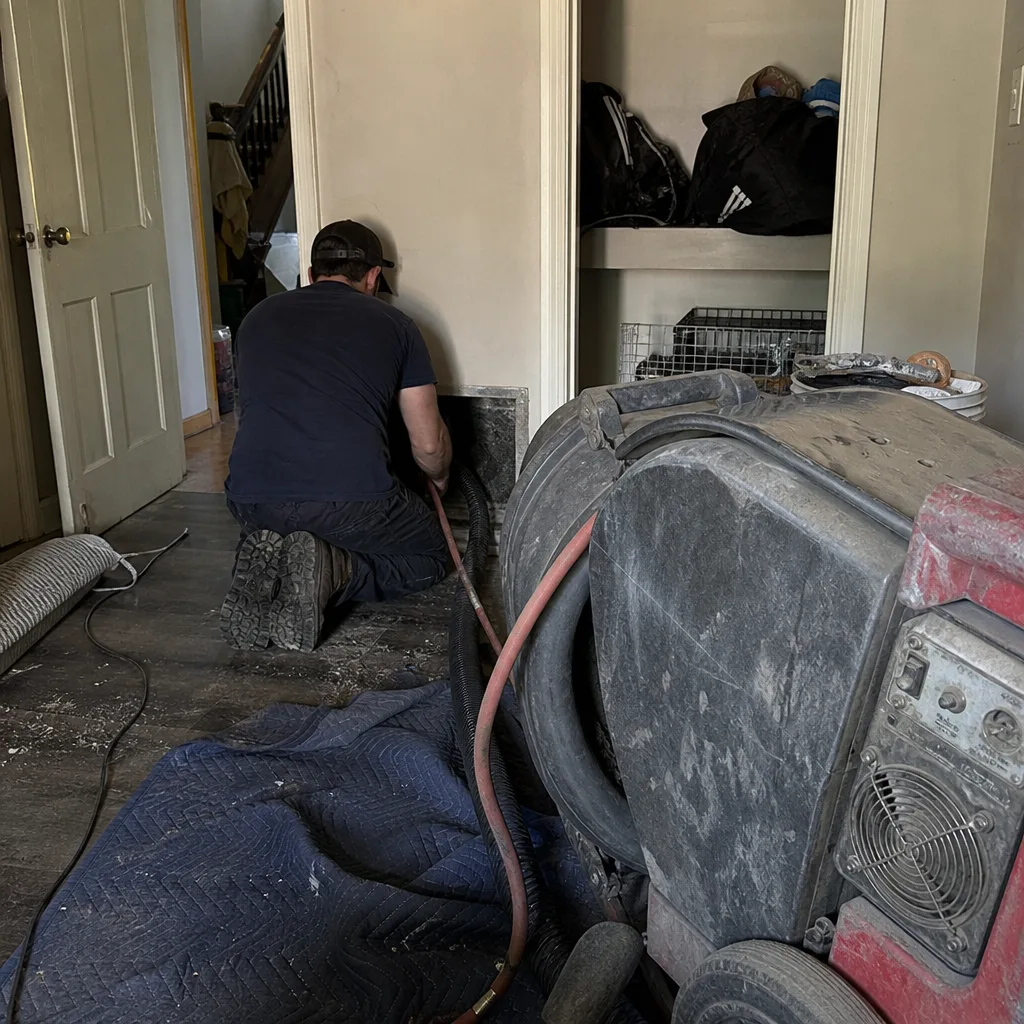 Before
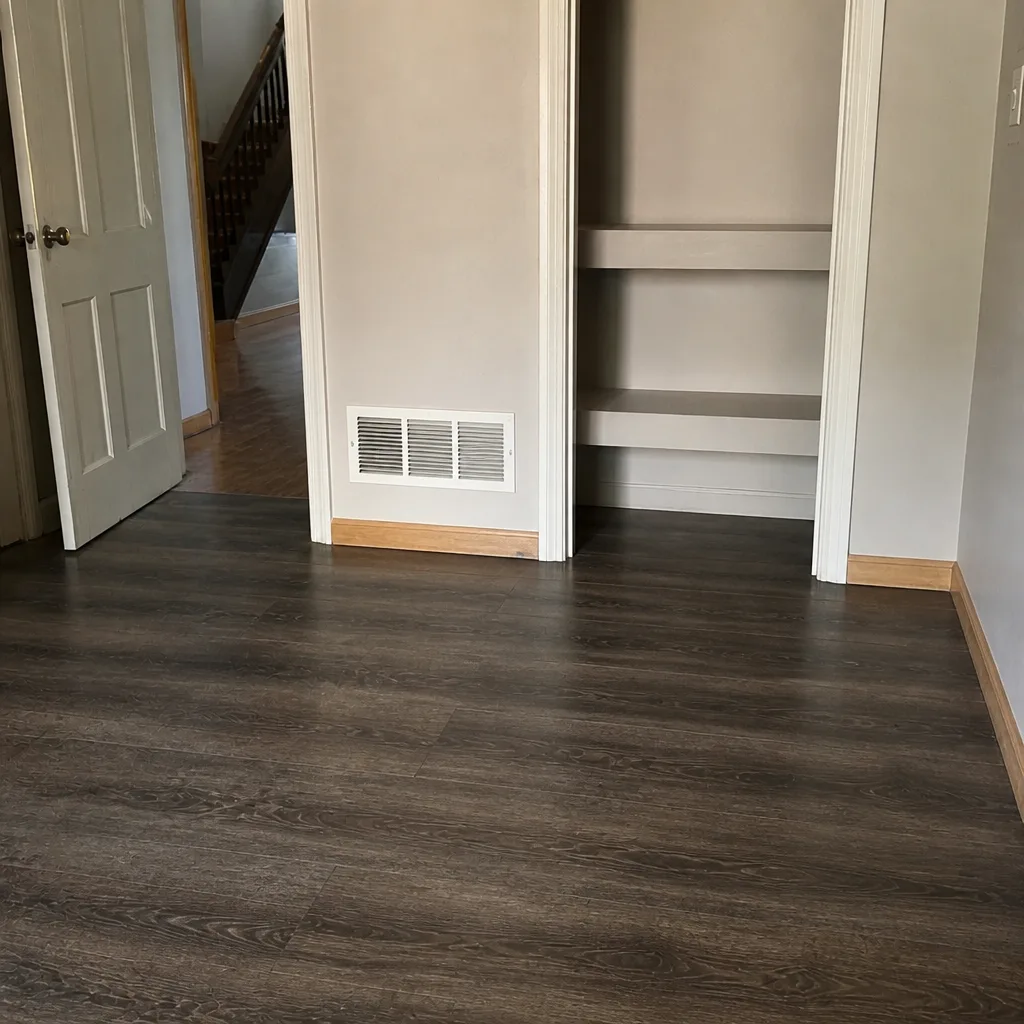 After
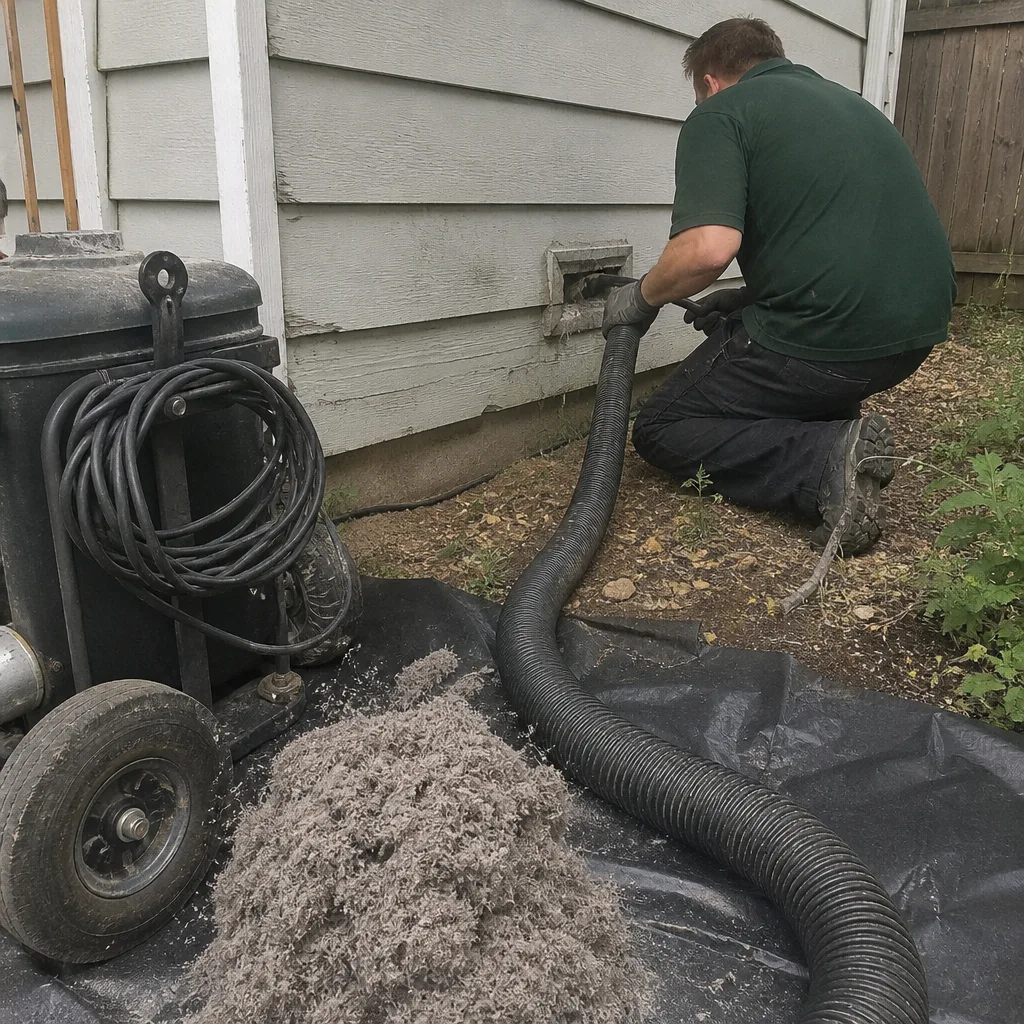 Before
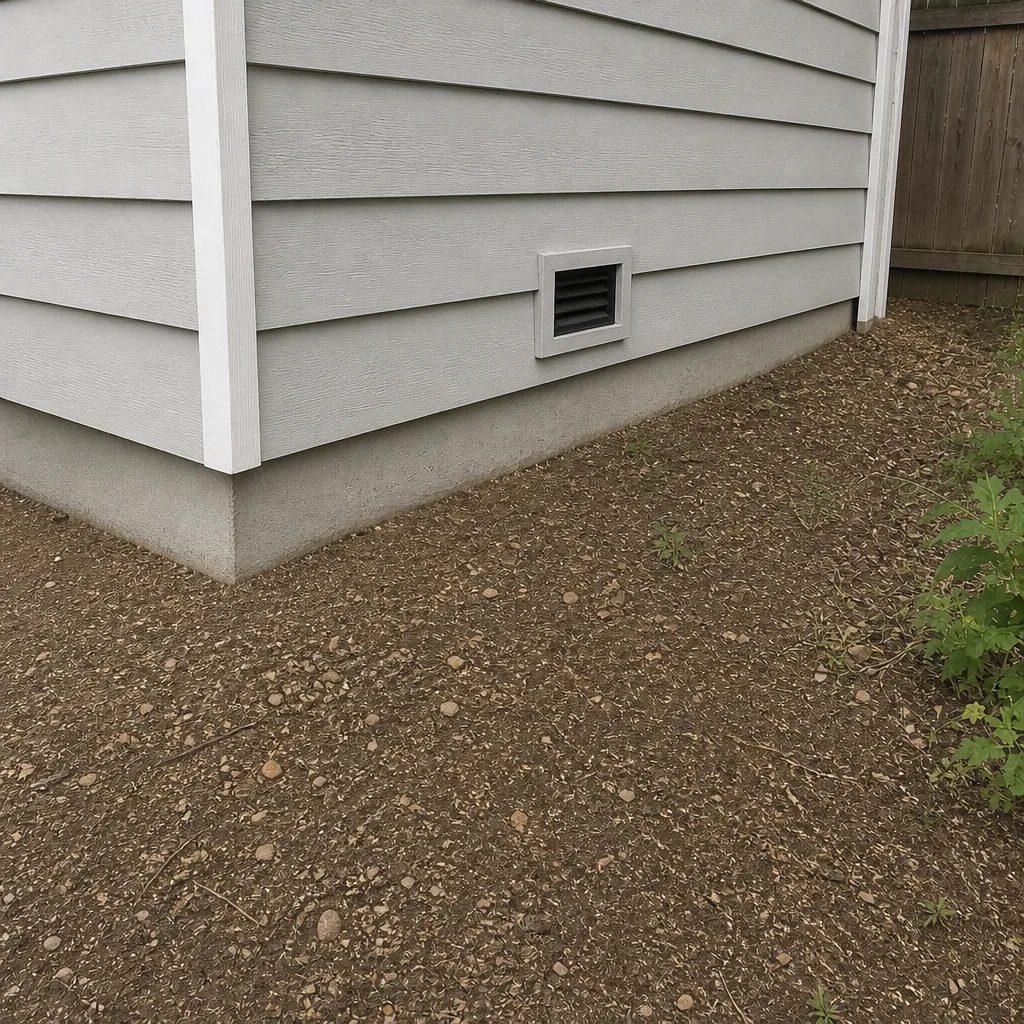 After
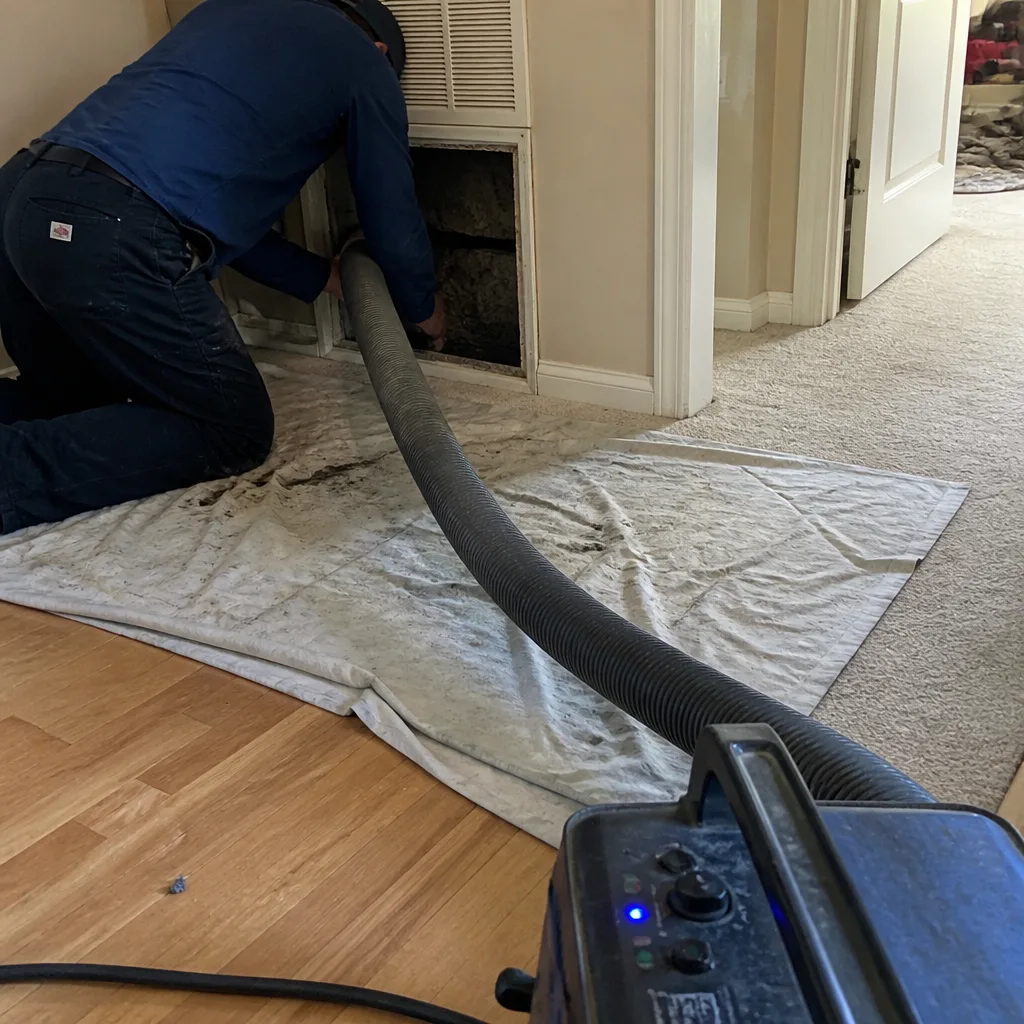 Before
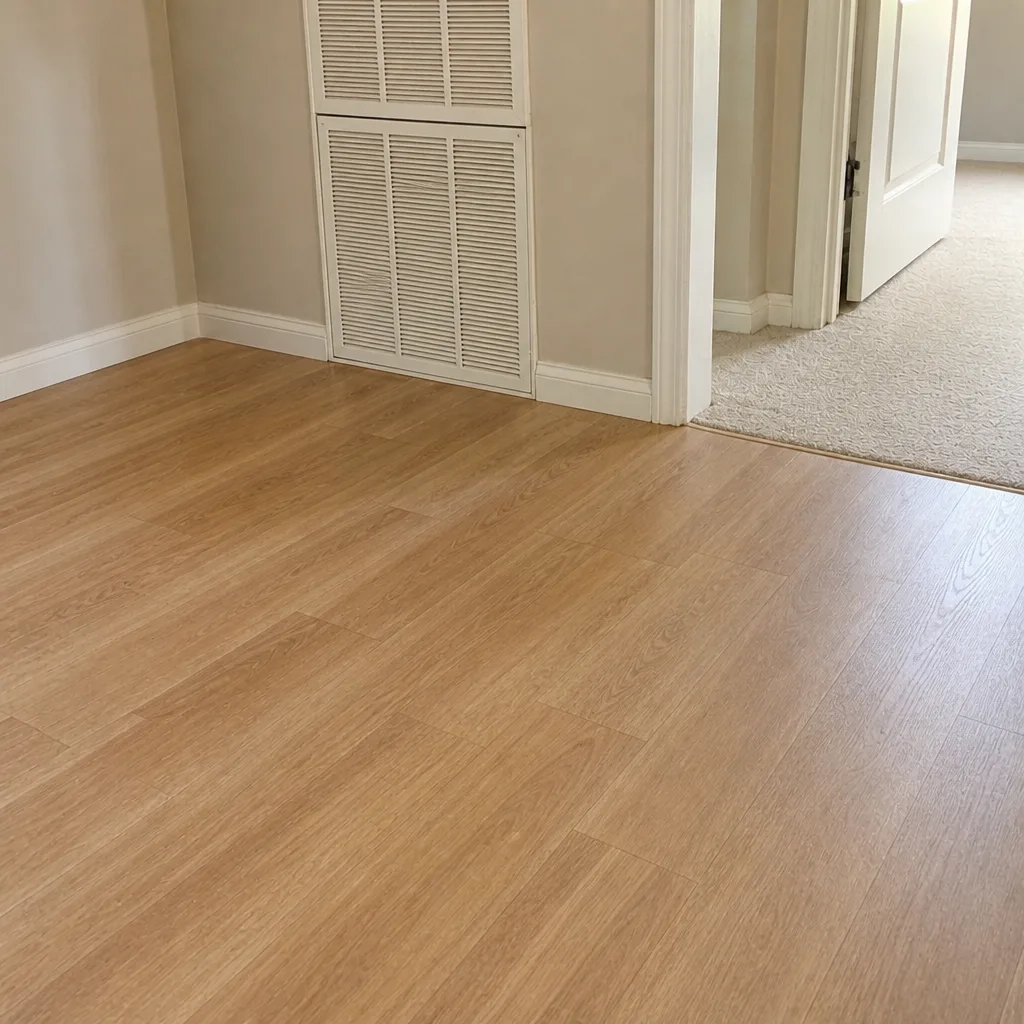 After
When to Call a Professional
There’s a lot a homeowner can check on their own: filter condition, visible dust, fresh-air intake screens, and obvious duct damage in accessible areas. The point where a professional visit makes sense is when the system is showing symptoms that need mechanical evaluation, when the crawl space ductwork hasn’t been inspected in a year or more, or when a wildfire event or major renovation has introduced contamination the homeowner can’t remove themselves.
If you’ve noticed any of the signs above, or you simply want a baseline inspection with before-and-after photos so you know what’s actually inside the ducts, Puyallup Air Duct Cleaning Pros offers free estimates in Puyallup. Call (855) 658-5273. We answer 24/7. Fast dispatch from 7am to 7pm, Sunday through Friday. Our technicians have up to 11 years of experience, and we bring professional-grade Rotobrush and Nikro equipment to the job rather than consumer-grade vacuums.
Frequently Asked Questions
Most Puyallup homes need a full duct cleaning every three to five years, with a seasonal inspection in between. That’s because the climate produces different problems each season: pollen in spring, condensation in winter, smoke in summer. A home that’s just had a renovation, has pets, or sits near regional smoke exposure may need it more often.
That smell usually means months of settled debris are being pushed through the system for the first time since spring. A first-heat musty odor that clears within a day is normal; one that persists past a filter change usually means microbial growth on the duct liner, which needs professional attention. Call (855) 658-5273 for an exact quote, estimates are free.
They can be. Flex duct running through a damp crawl space is where we see the most condensation issues in this area. The temperature difference between the warm duct interior and the cold crawl space can support active mold growth on the liner within weeks during wet shoulder seasons. That’s why an annual crawl space inspection matters.
A higher-MERV filter, if your air handler can support it, catches finer smoke particles more effectively. Honeywell and Aprilaire systems give good filtration options. The practical step is checking the filter every two weeks during a smoke event, since heavy smoke loads filters faster than normal dust.
No, not effectively. Consumer vacuums don’t produce enough suction for a full duct run, and they can stir up dust into the living space as much as remove it. Professional-grade equipment like the Rotobrush and Nikro systems we use moves enough air volume to remove deposits from the liner rather than just loosening them.
Registers and returns are removed and cleaned, the supply and return ductwork is agitated and extracted with professional equipment, the air handler and blower are cleaned, and the technician inspects for duct damage. Where damage is found, we offer repair and sealing to close it, rather than just cleaning around it. Call (855) 658-5273 for an exact quote on your system.
The Bottom Line
Seasonal duct care in Puyallup isn’t about cleaning more often. It’s about timing. The national “every three to five years” rule misses the reality of a climate that stresses ductwork differently every quarter: heating startup in fall, condensation in winter, pollen infiltration in spring, wildfire smoke in summer. Match the work to the season, inspect the crawl space annually, seal the returns before smoke season, and keep the filter on a seasonal rhythm. When something needs professional attention, or when you just want a baseline inspection with before-and-after photos, one call gets you answers. Cleaner air starts in the ducts.
Written by the team at Puyallup Air Duct Cleaning Pros.