
Last updated November 25, 2026
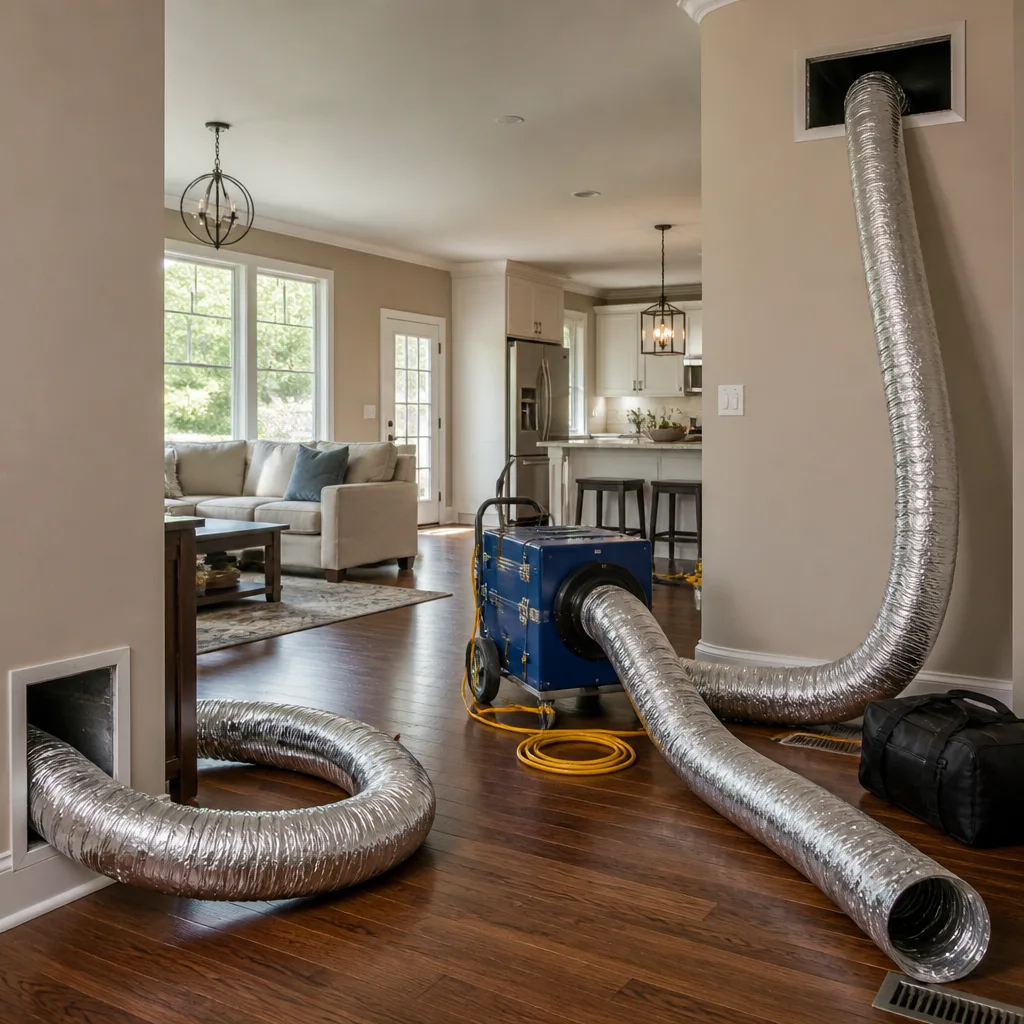 Whole-home duct cleaning
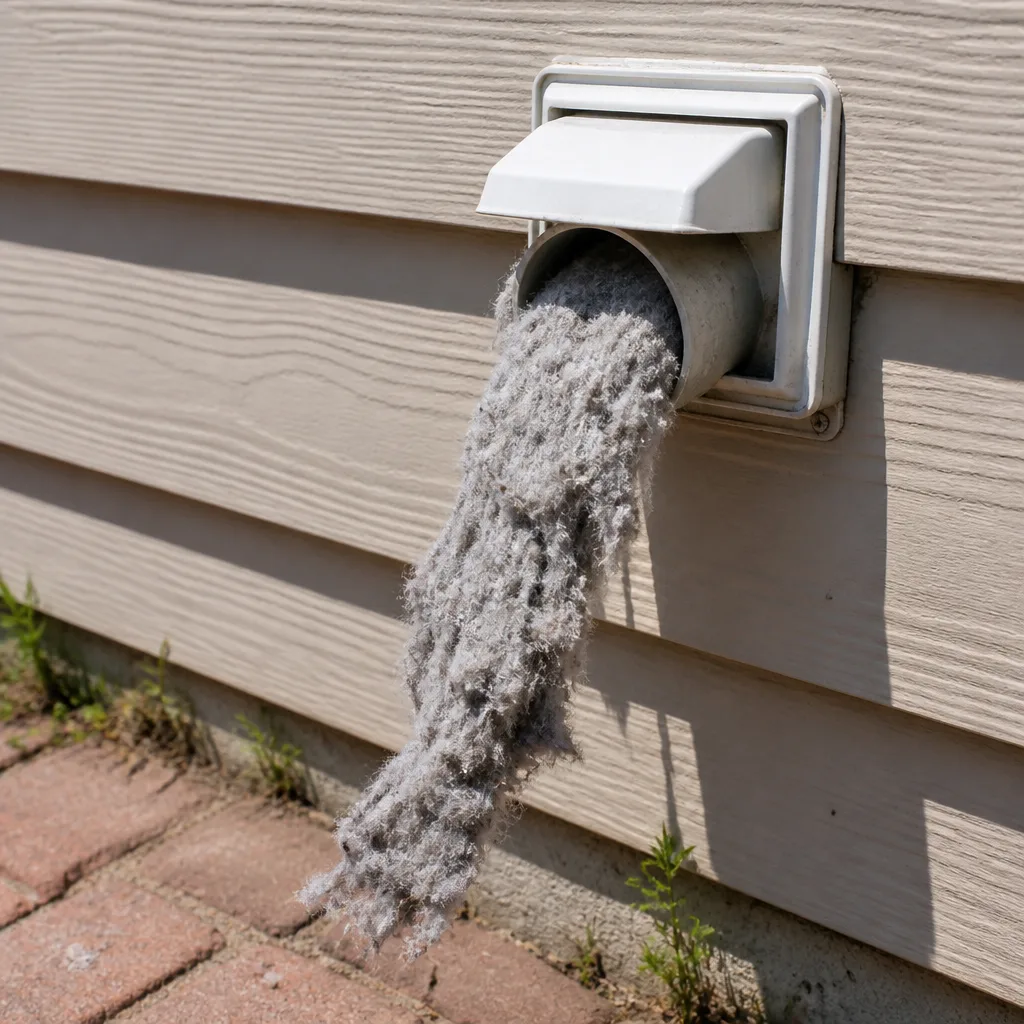 Dryer vent cleaning
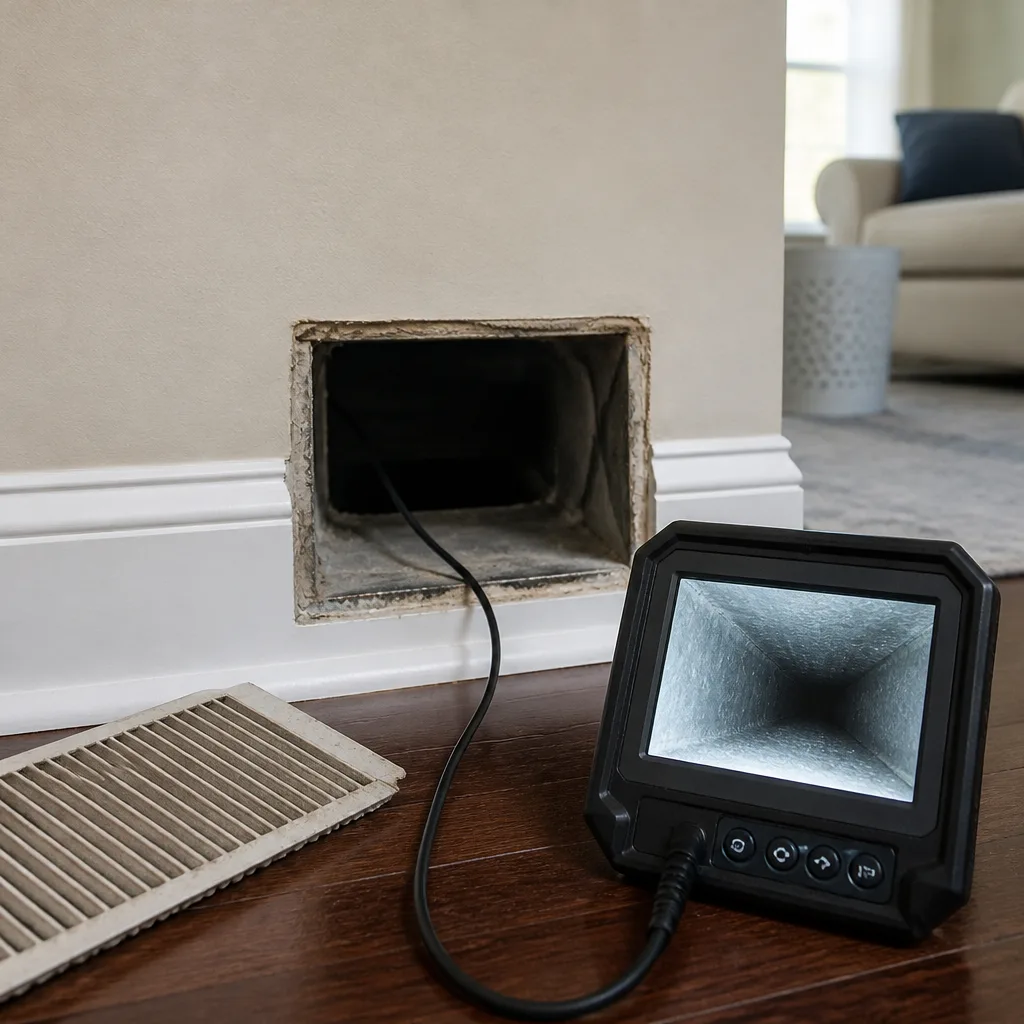 Camera inspection
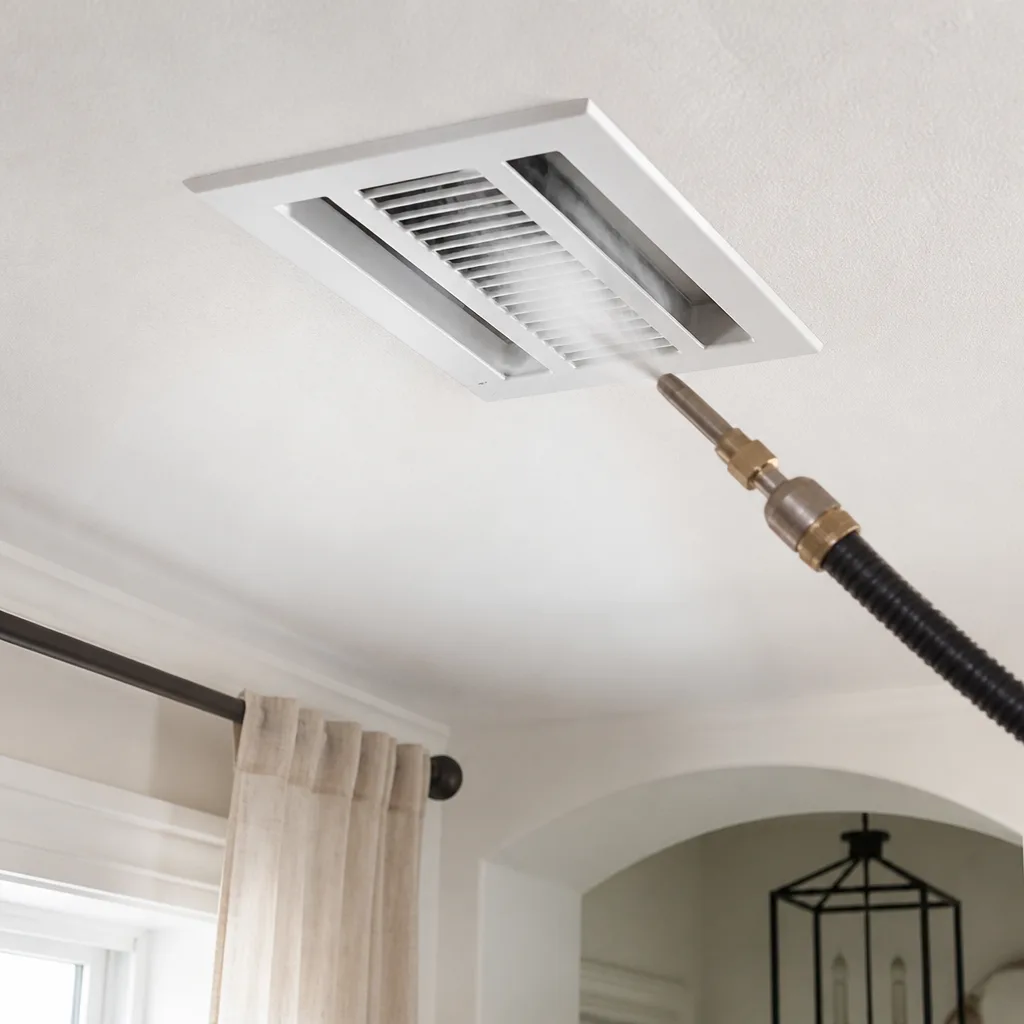 Sanitizing & deodorizing
Whole-system duct and dryer vent check with before-and-after photos - you see exactly what came out of your vents
That "$99 whole-house special" is a bait ad - the real number appears once they are in your hallway, or the "clean" is a shop-vac at the register. We photograph the inside of your ducts before and after instead.
How to Hire an Air Duct Cleaning Contractor in Puyallup: A Step-by-Step Guide
There is no Washington State license required to call yourself an air duct cleaner. Anyone with a van and a shop vac can legally operate, print a business card, and knock on doors in Puyallup. That single fact is why the screening questions you ask before you book matter far more than the price on the quote. A plumber has to hold a credential you can look up; a duct cleaner doesn’t, so the homeowner becomes the quality-control mechanism. This guide walks you through the same process a facilities manager uses to vet a contractor: what to verify, what to ask before anyone sets foot in your house, and how to read a quote so you’re comparing scope of work instead of line items.
Quick Answer
To hire an air duct cleaning contractor in Puyallup, ask five things before you book: whether technicians hold current NADCA ACT certification, what equipment they use for source removal, whether they run negative pressure during the job, whether the quote is one flat price per system, and whether they will show you before-and-after photos of your own ducts. Verify each answer rather than taking it at face value. Written scope, confirmed equipment, and a named account of what will actually happen in your home separate a real contractor from a coupon operation.
Styles & brands we work with
- Whole-home duct cleaning
- Dryer vent cleaning
- Camera inspection
- Sanitizing & deodorizing
Table of Contents
- Why hiring a duct cleaner in Puyallup is harder than hiring a plumber
- The five red flags specific to air duct cleaning
- What certifications to verify – and how to confirm they’re current
- Equipment questions: source removal and negative pressure
- How to structure a quote comparison that actually works
- What a proper service agreement should include
- What a real air duct cleaning visit looks like, step by step
- Why Puyallup’s climate and housing stock change the job
Why hiring a duct cleaner in Puyallup is harder than hiring a plumber
A plumber who floods your kitchen leaves a puddle you can photograph. A duct cleaner who does a shallow job leaves nothing visible at all. The work is invisible by nature – it happens in sealed metal and flex runs above your ceiling and below your floors – which makes it uniquely easy to fake. In other trades, a bad job produces callbacks, leaks and code violations. In duct cleaning, a bad job produces an invoice and the same dust you started with.
The regulatory picture doesn’t help. Washington doesn’t require a specific license to perform duct cleaning. Contractors register with the state through the Department of Labor & Industries, but registration confirms they carry workers’ comp and pay their fees. It does not confirm they know how to clean a duct system. Certification through NADCA (the National Air Duct Cleaners Association) is voluntary, which is exactly why it’s useful – a contractor who pursued it chose to be held to a standard nobody forced on them.
Puyallup makes this sharper than other towns. The housing stock here ranges from mid-century single-story homes near downtown to newer builds out toward South Hill and Sunrise, and the duct systems in those homes can look radically different. A 1950s house may have original galvanized trunk lines with dozens of hand-cut takeoffs. A newer build may run flex duct through an unconditioned attic. The screening questions you ask need to pull out whether the contractor actually understands the difference, or whether they’re going to show up with the same one-size setup they use everywhere.
We’ve watched the duct cleaning category fill up with franchise operators and coupon services over the past several years, and the quality gap has widened. That’s not a reason to skip the service – it’s a reason to run a better screening process than the industry expects.
The five red flags specific to air duct cleaning
These are the warning signs that don’t come up with roofers or electricians, because they’re unique to a trade where the customer can’t see the finished product. If you spot two or more, keep calling.
- The “$99 whole house” teaser. A price that low cannot cover a legitimate whole-system cleaning – the labor alone runs hours, before you count equipment, filtration, travel and disposal. The pitch works like this: the technician arrives, runs a camera into your main trunk line, and shows you a photo of dust or debris. Then the price goes up. Sometimes dramatically. The “special” was never meant to be the price you paid; it was the hook that got someone inside your door. A legitimate quote for a full system in Puyallup is a real number with a real scope attached to it.
- No written scope of work. If the contractor can’t tell you in writing how many supply runs, return runs, main trunk lines, and registers are included, you’re not getting a quote – you’re getting an estimate of their mood. A one-line bid that says “clean ducts” is a red flag on its own.
- Per-vent pricing. This is the duct-cleaning version of a taxi meter. The base price covers “up to 10 vents” and then every additional register is a line-item charge. This structure rewards the contractor for finding more vents and discourages them from being thorough with the ones already counted. One flat price for the whole system, agreed before work starts, is the standard you want.
- No mention of negative pressure. A cleaning without negative pressure machinery attached to the system is stirring up what’s inside and releasing it into your living space. Ask directly. If the answer is vague, or if the word “vacuum” is doing all the work in their reply, you’re about to have a dust storm in your Puyallup home.
- No before-and-after photos of your ducts. This is the simplest one. A real contractor documents the work. They photograph the trunk line and the individual runs before the cleaning, and again after, so you can see the difference. If they can’t or won’t show you photos of the actual ducts in your actual home, you have no way to confirm anything happened.
Run through these five in the first phone call. The response tells you almost everything you need to know.
What certifications to verify – and how to confirm they’re current
Two credentials are worth checking, and one of them is checked at the technician level, not the company level. The company-level credential is NADCA membership. The technician-level credential is ACT certification – the Air Systems Cleaning Specialist designation – which individual technicians earn through testing and keep current through continuing education.
Here’s the part most homeowners miss: neither of these is a lifetime badge. NADCA membership is annual, and ACT certification carries renewal requirements. A contractor who earned the credential years ago and let it lapse still lists “NADCA” on their website. Before you book, verify the current status.
How to actually check
- Ask whether the specific technicians coming to your home hold current ACT certification – not whether the company “has certified technicians” in the abstract.
- Look the company up directly in NADCA’s member directory. It’s public and searchable. If they claim membership, the listing should be live.
- Ask when the certification was last renewed. A straight answer to this question is a strong signal.
- Ask what continuing education the technicians do. The industry changes – new equipment, new standards, new research on what actually matters for indoor air – and a technician who hasn’t updated in a decade is working from an old playbook.
- Confirm they carry general liability insurance and workers’ comp, and ask for a certificate of insurance. This is not a certification in the same sense, but it protects you if a technician damages a wall, a duct, or themselves in your home.
One more thing: the certification only tells you the technician was tested. It doesn’t tell you the equipment they’ll use. That’s the next section, and it matters as much or more.
Equipment questions: source removal and negative pressure
Two pieces of equipment separate a real clean from a visual dusting. Ask about both before you book. The first is source-removal machinery – the kind that agitates debris from duct walls with mechanical implements like compressed air whips or rotary brushes, then extracts it. The second is a negative-pressure air filtration system that runs throughout the job and captures airborne contaminants so they don’t vent back into your living room.
Source removal is what the words say. Dust doesn’t just sit loose on the bottom of a duct. It adheres to the walls, especially in the seams and corners where airflow is slowest. A consumer-grade shop vac pulls the easy stuff off the floor of the run and leaves the bonded layer behind. Professional systems agitate the walls to break that debris free, then extract it. The difference is like mopping a floor versus actually scrubbing it.
Negative pressure means the entire system stays under vacuum for the duration of the work. The vacuum source is typically connected to the main trunk line or an access point, and filtration equipment captures whatever the technicians free up. If a contractor tells you negative pressure is optional or “not needed for small jobs,” keep calling. Every job needs it, because every job involves freeing up particles that can travel.
What to ask on the phone
- What brand of duct cleaning equipment do you run? (Professional contractors will name it – Rotobrush and Nikro are common in this category.)
- Will you use negative pressure throughout the service, and what filtration do you run? (Abatement Technologies equipment is common on restoration-grade work.)
- How do you clean the individual branch runs versus the main trunk line?
- What happens to the debris after it’s extracted?
- Do you inspect the duct system before and after, and will you share photos?
For context on what a full-scope visit actually covers, our air duct cleaning overview walks through the process in detail. In our experience, the contractors who answer the equipment questions cleanly and specifically are the ones who do the work properly.
How to structure a quote comparison that actually works
Comparing three quotes from three different duct cleaners is useless if each quote describes a different job. The one who prices “whole house” at $180 and the one who prices “full system” at $650 might be offering something completely different underneath the label. You fix this by asking each contractor for the same information in the same format.
The quote comparison worksheet
- Number of supply runs included. Ask them to count and list.
- Number of return runs included. Returns are often skipped in cheap quotes.
- Main trunk lines and plenum. The big one – a proper job includes the trunk.
- Registers and grilles. Are they removed, cleaned, and reinstalled?
- Access points and patching. Will they cut access panels where needed, and how do they seal afterwards?
- Equipment used. Brand name and model if they’ll share.
- Negative pressure filtration. Yes or no, and what equipment.
- Before-and-after photography. Included or not.
- Cleanup and final walkthrough. Who confirms the job is done, and how?
- Total price, flat. One number for the whole job, agreed before work starts.
- What’s explicitly excluded. Sanitizing, dryer vent, repairs, leak sealing.
Once each quote is filled out against the same worksheet, the comparison becomes obvious. The $180 quote will have half the categories blank. The $650 quote will list every line. They were never pricing the same thing, and now you can see that clearly.
The other structural point: ask for a flat price per system, not a per-vent price. If the contractor insists on per-vent, ask them to count the vents on the quote so you can verify the number is honest. Then ask what happens if it’s actually a different count when they arrive. The honest answer is: the flat price stands.
What a proper service agreement should include
For a job this invisible, the written agreement is your only protection. It doesn’t need to be elaborate – a one-page scope and terms is fine – but it does need certain clauses. Missing clauses signal an amateur operation faster than a low price does.
What it should include:
- Specific scope of work: the number of runs, trunks, registers, and what the cleaning includes. Not “clean ducts” – the actual count.
- Flat total price with the words “not to exceed” or “flat rate.”
- Equipment to be used. Rotobrush, Nikro, Abatement Technologies, or whichever system they run. Name it.
- Access and patching method. Where will access panels be cut, and how will they be sealed? Silicone, mastic, foil tape – the method should be specified.
- Before-and-after documentation. Photography included as a deliverable, not a courtesy.
- Cleanup expectations. Who is responsible for the dust that lands during the job?
- Insurance and workers’ comp confirmation. A named certificate, not a verbal mention.
- Exclusions. Sanitizing, repair, dryer vent – do these need separate authorization?
- Warranty or callback policy. If dust comes through a register the next day, who returns?
If a contractor bristles at putting this in writing, that tells you everything. The good ones expect it; they’ll hand you a scope document without being asked.
What a real air duct cleaning visit looks like, step by step
Knowing what should happen during a legitimate service helps you spot shortcuts in real time. Here’s the sequence a proper contractor follows.
- Pre-visit inspection. A walkthrough of the home to identify duct system layout, register locations, HVAC equipment, and any visible damage. Photo documentation starts here.
- Protection. Floor coverings, corner guards, and a drop cloth around every work area. During the job, an Abatement Technologies air-filtration unit can be running in the home as an extra layer of dust control.
- Negative pressure setup. The vacuum connects to the main trunk line, sealed with a temporary access panel. Filtered exhaust runs outside or through HEPA-grade capture.
- Access creation. Every branch line and the trunk need access points. A proper contractor cuts clean openings at the highest point of each run, so gravity helps.
- Mechanical agitation. Compressed air whips and rotary brushes travel through the duct interior, breaking bonded debris from the walls. Rotobrush and Nikro systems handle this step with equipment rated for the task.
- Extraction. All loosened debris comes out through the vacuum. This is where the negative pressure does its work.
- Register and grille cleaning. Every register and grille is removed, cleaned outside the system, and reinstalled.
- Sealing. Any access panels or existing leaks are sealed with mastic, foil tape, or a rated sealant – this is the “we repair what we find” step that many contractors skip. If you have a full HVAC cleaning scheduled as well (which you can read about on our HVAC cleaning page), the coil and air handler get cleaned at this stage.
- Post-cleaning inspection and photos. Before-and-after documentation of the main trunk and at least a sample of runs.
- Final walkthrough. The contractor walks the home, reviews what was done, and confirms cleanup.
If any of these steps are missing – especially the negative pressure setup, the access creation, or the sealing step – ask why. Sometimes there’s a legitimate reason (a system that can’t be worked on safely, for instance). Often there isn’t.
Why Puyallup’s climate and housing stock change the job
Puyallup sits in the Puyallup River valley, with wet winters and warm dry summers, and that seasonal swing drives more contaminant buildup than people expect. In winter, homes stay closed for months, with the furnace running and windows shut. In summer, the home opens up again and pollen recurs with the veggie-growing season out toward the valley floor. Both patterns feed the duct system.
The bigger variable is the housing stock. A few local specifics matter:
- Mid-century homes near downtown and the river valley. Original duct systems can be galvanized steel with dozens of takeoffs and no easy access. These jobs take longer, need more access cuts, and often need duct sealing afterwards – because decades-old joints leak air, and that leak sends warm or cool air into the crawlspace instead of your living room.
- Newer construction out toward South Hill and Sunrise. Flex duct runs through unconditioned attics. The flex can kink, sag, or develop rips if not installed carefully, and a well-designed cleaning needs to inspect and repair the runs, not just clean around them.
- Homes on crawlspace foundations. Very common in the older parts of Puyallup. Crawlspace ducts sit in a damp environment, and leaks there can pull moisture into the system. Duct repair and sealing matters as much as cleaning.
- Dryer vent lines. Whether the house is new or old, the dryer vent is its own conversation. A restricted dryer vent increases fire risk – it’s the lint buildup, not just air quality. Our dryer vent cleaning page explains the safety side of it. If you’re already booking a duct cleaning, adding the dryer vent to the same visit is the sensible call.
For high-allergy households, a post-cleaning sanitizing step using Guardsman products provides a documented antimicrobial treatment on the cleaned surfaces. Honeywell and Aprilaire IAQ systems can also be added to the HVAC equipment after cleaning, bridging the gap between a one-time clean and long-term air quality improvement. These are not required for a good clean, but they’re the natural next step if you’ve been managing symptoms for years and want the system working for you between services.
Common Mistakes to Avoid
- Booking on price alone. The cheapest quote in the Puyallup market is cheapest because the scope is smaller, not because the contractor is more efficient. A $99 advertised price and a $650 advertised price describe radically different jobs – check the scope before you check the number.
- Not asking who is actually coming. Some contractors sub-contract the job out. The person who sends you the quote may not be the person who shows up. Ask directly whether the technicians arriving are employees of the company and hold current ACT certification.
- Skipping the “before” photos. If the contractor doesn’t photograph the ducts before starting, you have no basis for later comparison. Ask them to document before and after – and if they don’t, take your own photos of the registers, filter, and visible duct runs.
- Assuming the sanitizing is included. In most quotes, sanitizing is a separate line item. Get it clearly in writing as included or added, not implied.
- Treating the dryer vent as an upsell. Lint buildup in a dryer vent is a fire hazard, not an air-quality feature. Book it as its own service if it’s been a few years since it was cleaned.
- Not verifying insurance. Contractors moving equipment in and out of a Puyallup home can damage walls, stairs, and flooring. If the contractor doesn’t carry liability insurance, you’re absorbing that risk.
- Ignoring what the photos show after. The before-and-after should be reviewed out loud with the contractor. Ask them to point out what changed. The good ones will tell you which runs were worst, why, and what to watch going forward.
See the difference
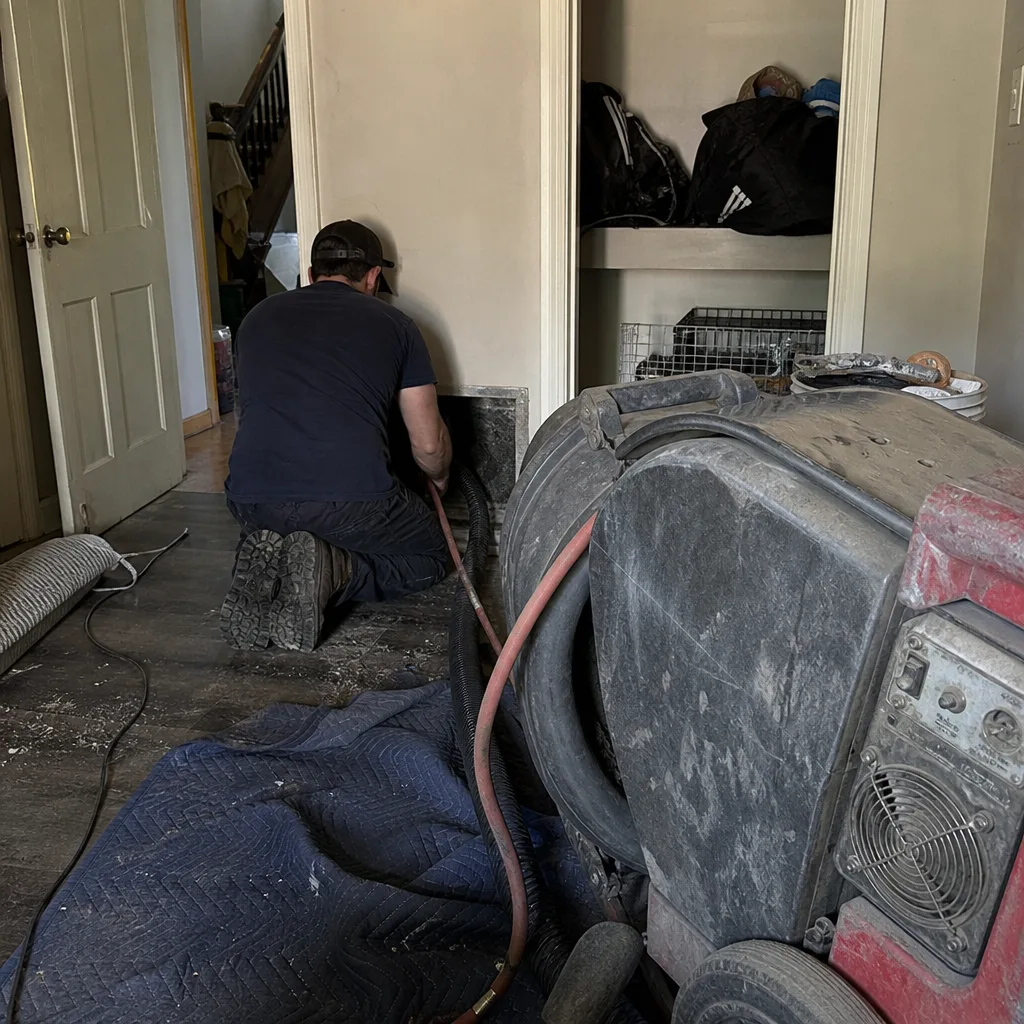 Before
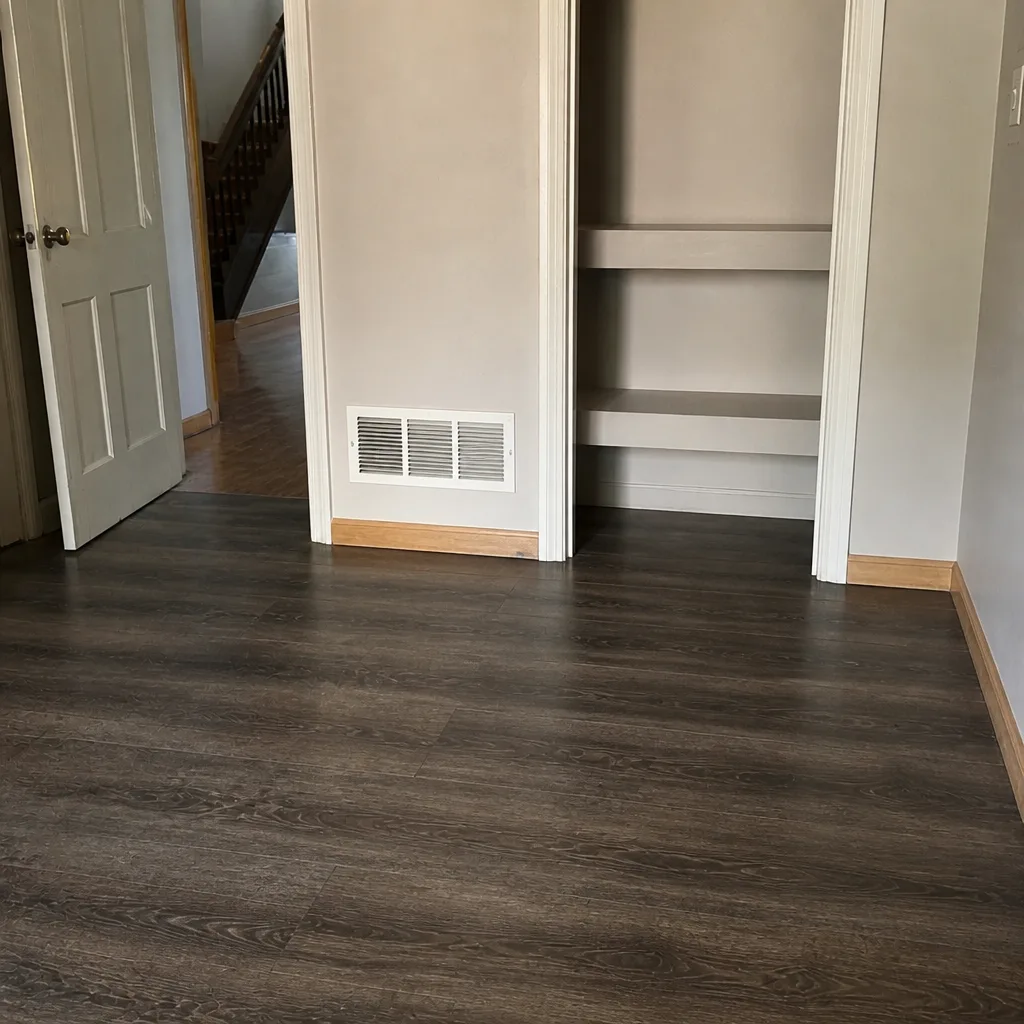 After
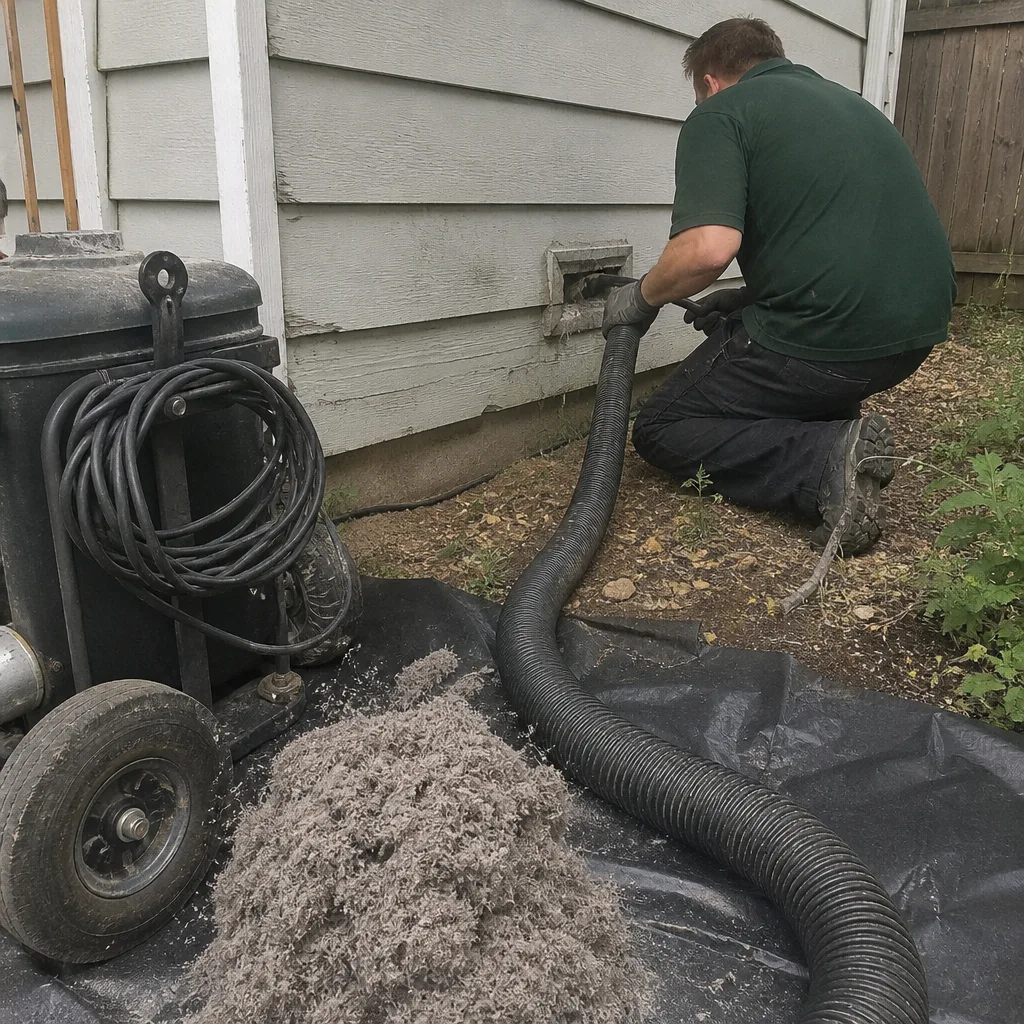 Before
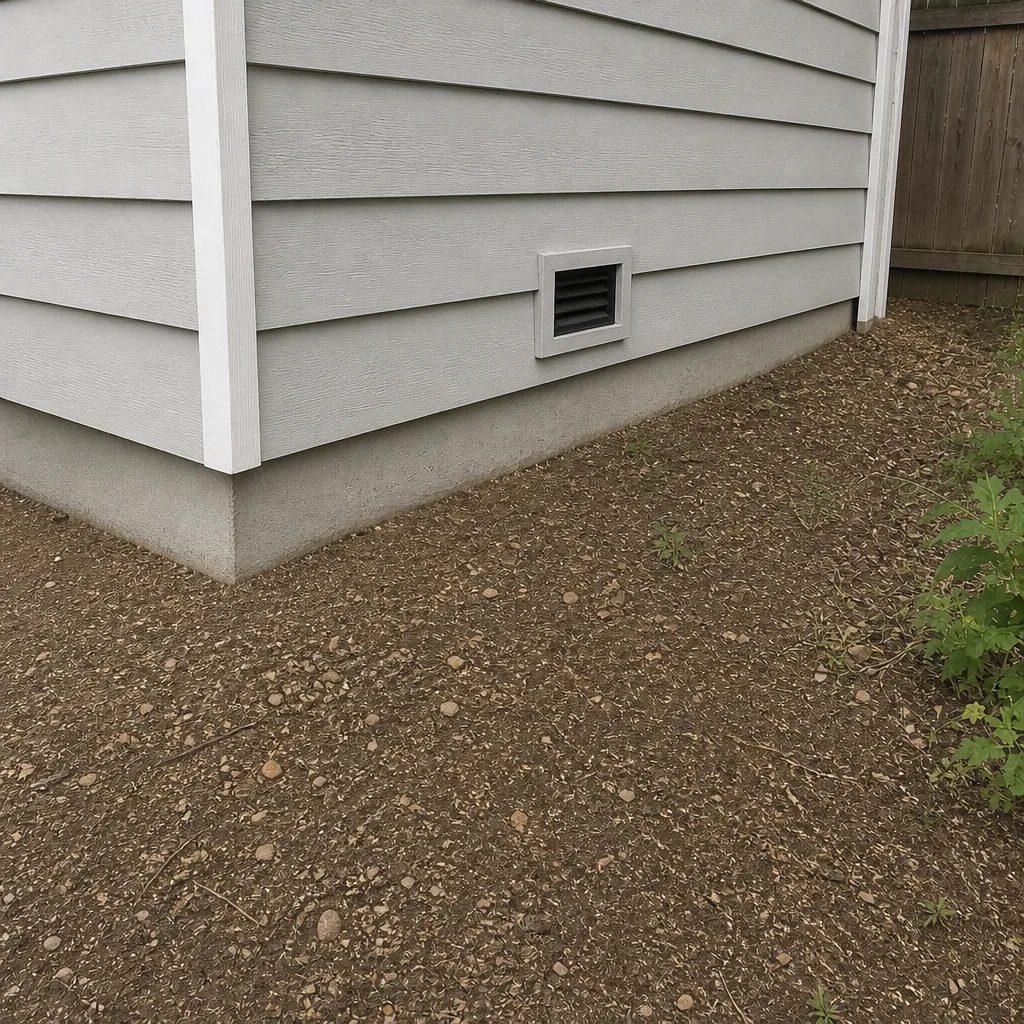 After
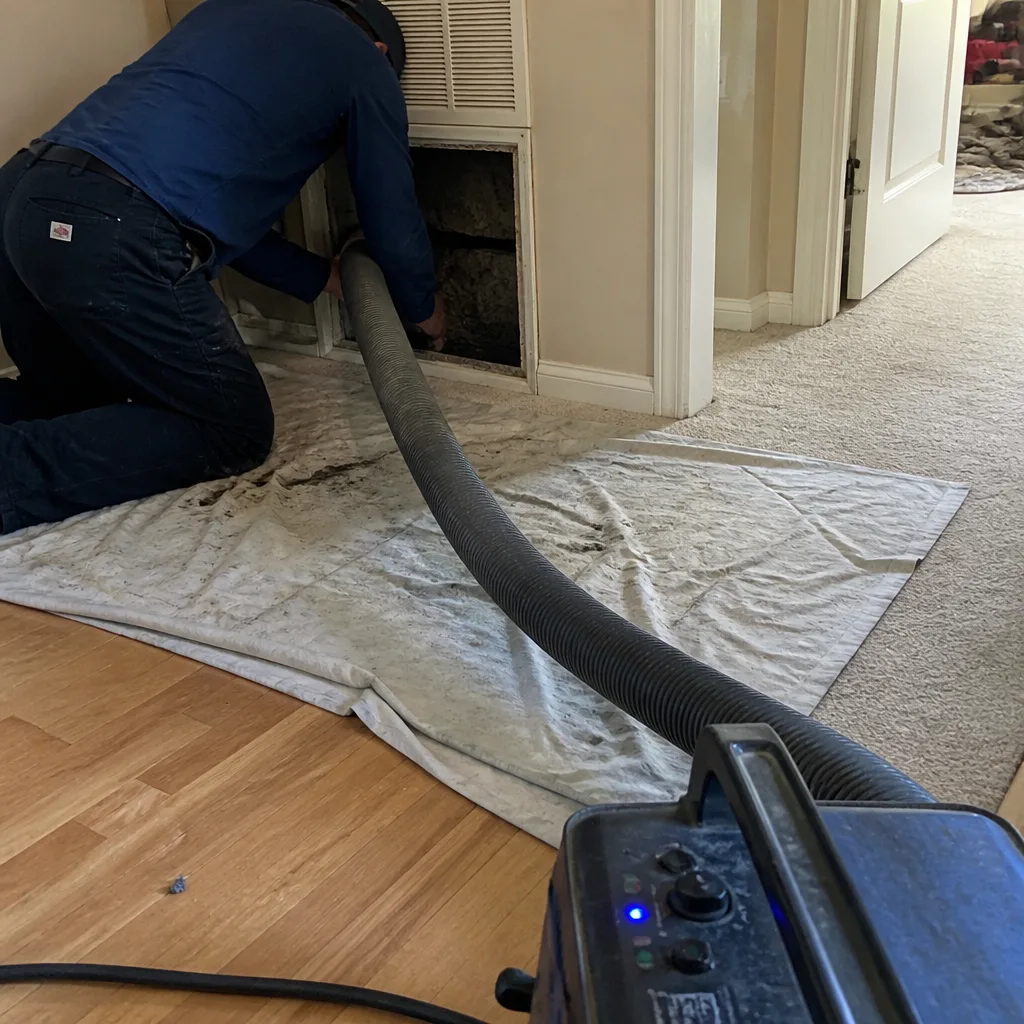 Before
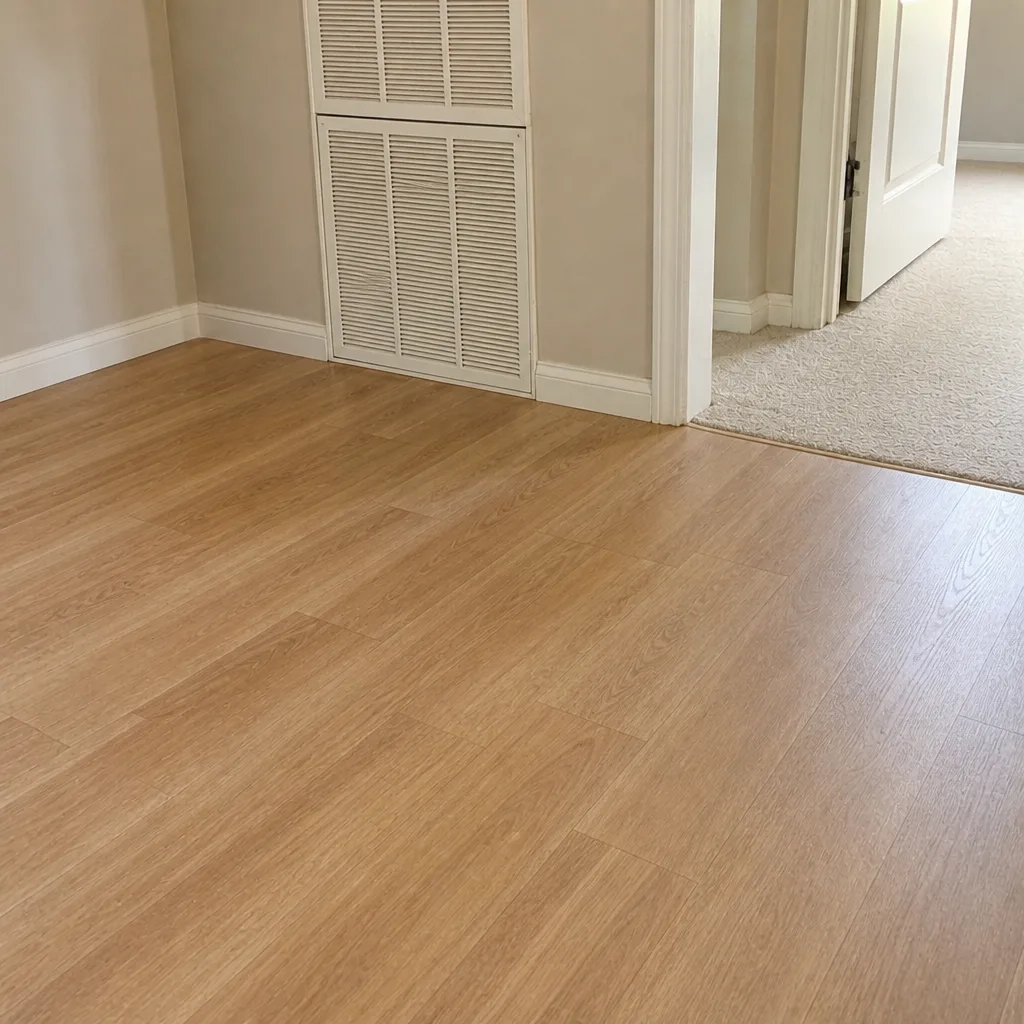 After
When to Call a Professional
A few scenarios tilt clearly toward calling instead of postponing. If your home was recently purchased, especially after a renovation or a period of vacancy, the ducts are almost certainly due for a full clean – construction dust and settled debris stay put for years. If you’re seeing dust reaccumulate on registers within weeks of cleaning, or noticing musty odors when the HVAC kicks on, the source is inside the system. If a household member has been dealing with persistent allergy symptoms that recur in the same rooms, the ducts are worth investigating before assuming it’s seasonal. And if you haven’t been in the home through a full winter-summer cycle yet, the Puyallup climate tends to surface duct issues quickly once you have.
Puyallup Air Duct Cleaning Pros offers free estimates in Puyallup – call (855) 658-5273. We answer 24/7, with fast dispatch from 7am to 7pm, Sunday through Friday. The team here at Puyallup Air Duct Cleaning Pros covers the five service categories – air duct cleaning, dryer vent cleaning, HVAC cleaning, duct repair and sealing, and air quality sanitizing – under one call. We run Rotobrush and Nikro equipment, use Abatement Technologies filtration during service, and work with Honeywell, Aprilaire, and Guardsman products where they’re the right fit. Our technicians have up to 11 years of experience, and we quote flat prices per system, agreed before work starts, with before-and-after photos of your own ducts as part of every job.
Frequently Asked Questions
There’s no single market price, because every quote is built from scope – number of runs, trunk access, condition of the system, and whether sanitizing or repair are included. What you can protect yourself against is the bait-and-switch: insist on a flat price per system, in writing, before work starts. That number is the price you’ll pay, assuming the scope matches what was described. Call (855) 658-5273 for an exact quote – estimates are free.
Because the scope is smaller. A low quote usually covers one main trunk and a handful of registers, not the full system – and the price is designed to change once the technician is on site and “discovers” more work. A legitimate flat-price quote covers every supply and return run, the trunk, and the registers, and it doesn’t move. If a quote looks dramatically cheaper than the others, ask for it in writing against the same scope worksheet as the other bids. Call (855) 658-5273 for an honest whole-system quote – estimates are free.
Before-and-after photos of your own ducts. That’s the honest answer. A legitimate contractor photographs the trunk line and a sample of individual runs both before cleaning and after, and walks you through the images at the final inspection. If a contractor won’t provide photos of your own system, you have no way to confirm the work happened. Call (855) 658-5273 to book a service that documents every step – estimates are free.
Most homes fall into a reasonable three-to-five-year cycle for a full duct clean, adjusted for conditions. Recent renovation, pets, a smoky environment, or a move into a home with unknown history all shorten that window. Homes without those factors can often stretch longer. The honest test is what’s coming out of the registers – if you’re seeing dust return quickly after cleaning, or smelling mustiness when the system runs, it’s time. Call (855) 658-5273 to talk through your specific home – estimates are free.
NADCA membership at the company level, and current ACT certification at the technician level. Look both up rather than taking the website’s word – NADCA maintains a public member directory, and any contractor claiming membership should have a live listing. Ask when the certification was last renewed; the credential is not lifetime. Call (855) 658-5273 to ask our team directly – estimates are free.
Not necessarily for the whole visit, but being present for the pre-visit walkthrough and the final inspection is worth the time. The pre-visit lets you confirm the scope matches what’s on the quote, and the final inspection is where the before-and-after documentation gets reviewed with you. If you can only be home for one part, make it the final walkthrough. Call (855) 658-5273 to schedule around your day – estimates are free.
The Bottom Line
No state license gates this industry in Washington, and that’s not going to change any time soon. Which means the screening process you run before booking is the actual quality control. Verify NADCA membership and current ACT certification through the public directory. Confirm equipment – source removal and negative pressure – by brand name. Demand a flat price per system, in writing, with the scope spelled out against the same worksheet for every quote you collect. Ask for before-and-after photos of your own ducts. Run those five steps, and the Puyallup duct cleaning market becomes dramatically easier to navigate. Skip them, and the coupon price on your screen has very little to do with what happens on the day.
Ready to book a free estimate? Call (855) 658-5273. We answer 24/7. Fast dispatch from 7am to 7pm, Sunday through Friday.
Written by the team at Puyallup Air Duct Cleaning Pros.