
Last updated November 25, 2026
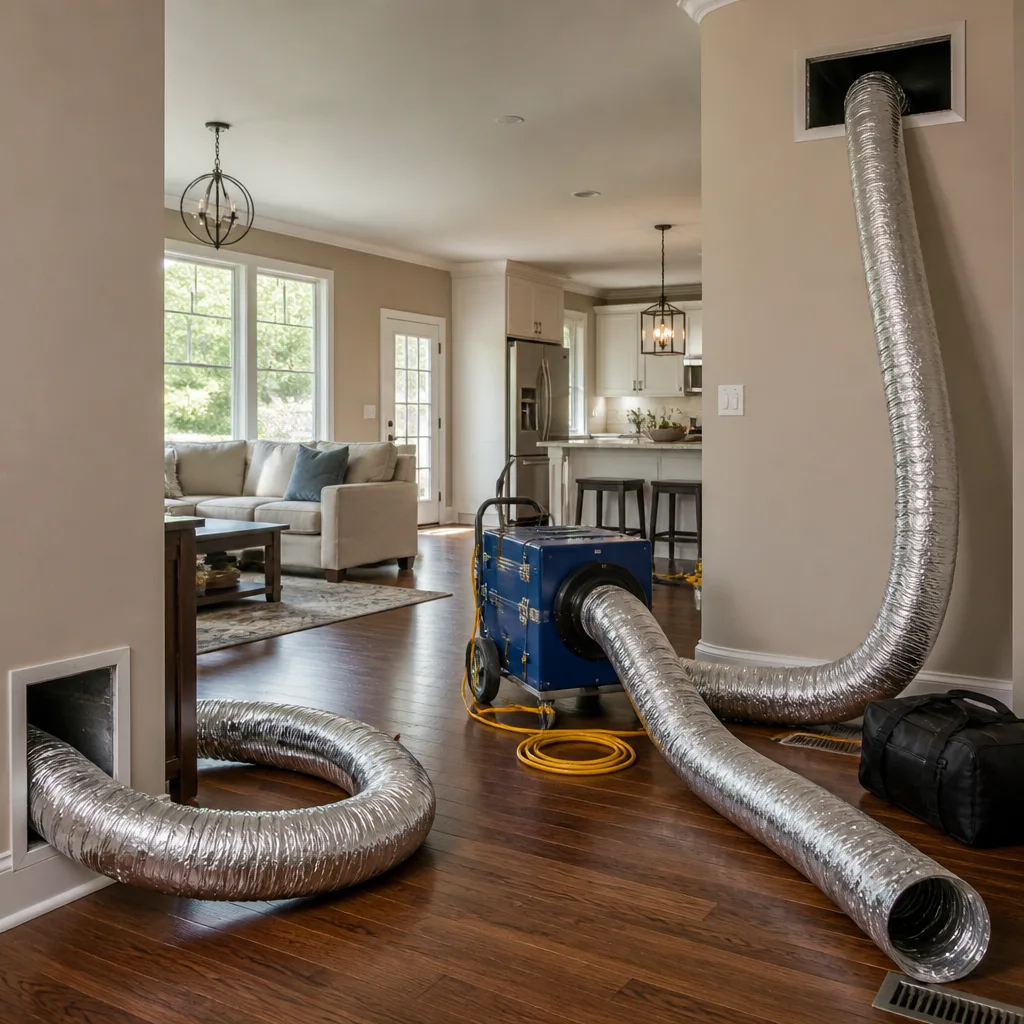 Whole-home duct cleaning
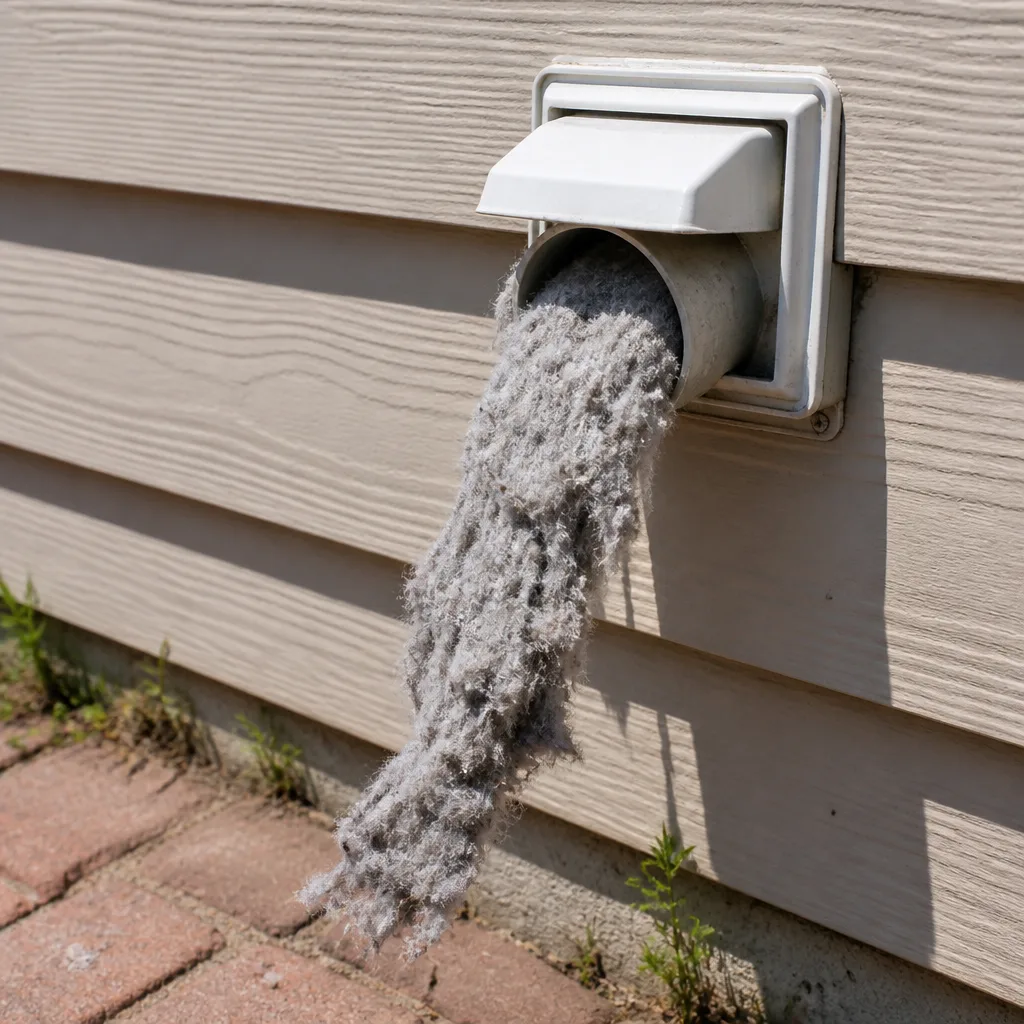 Dryer vent cleaning
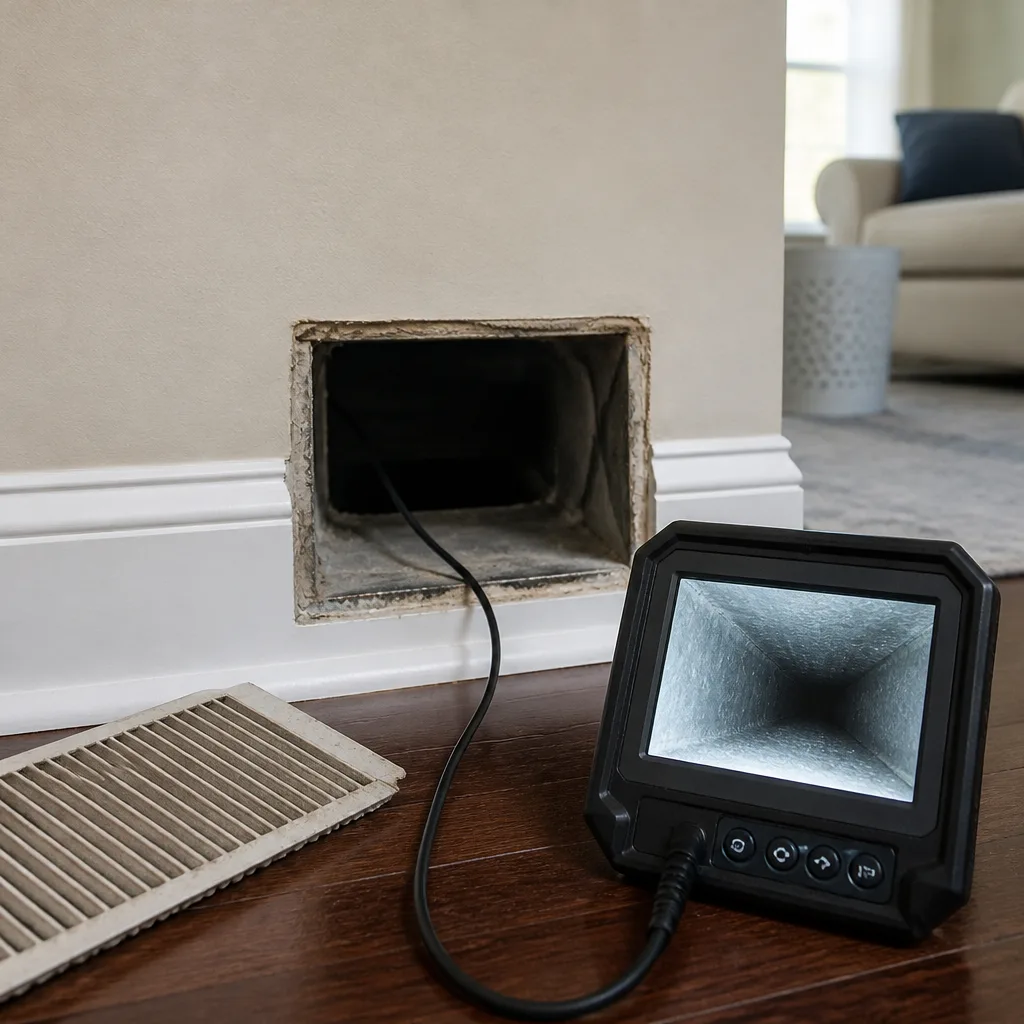 Camera inspection
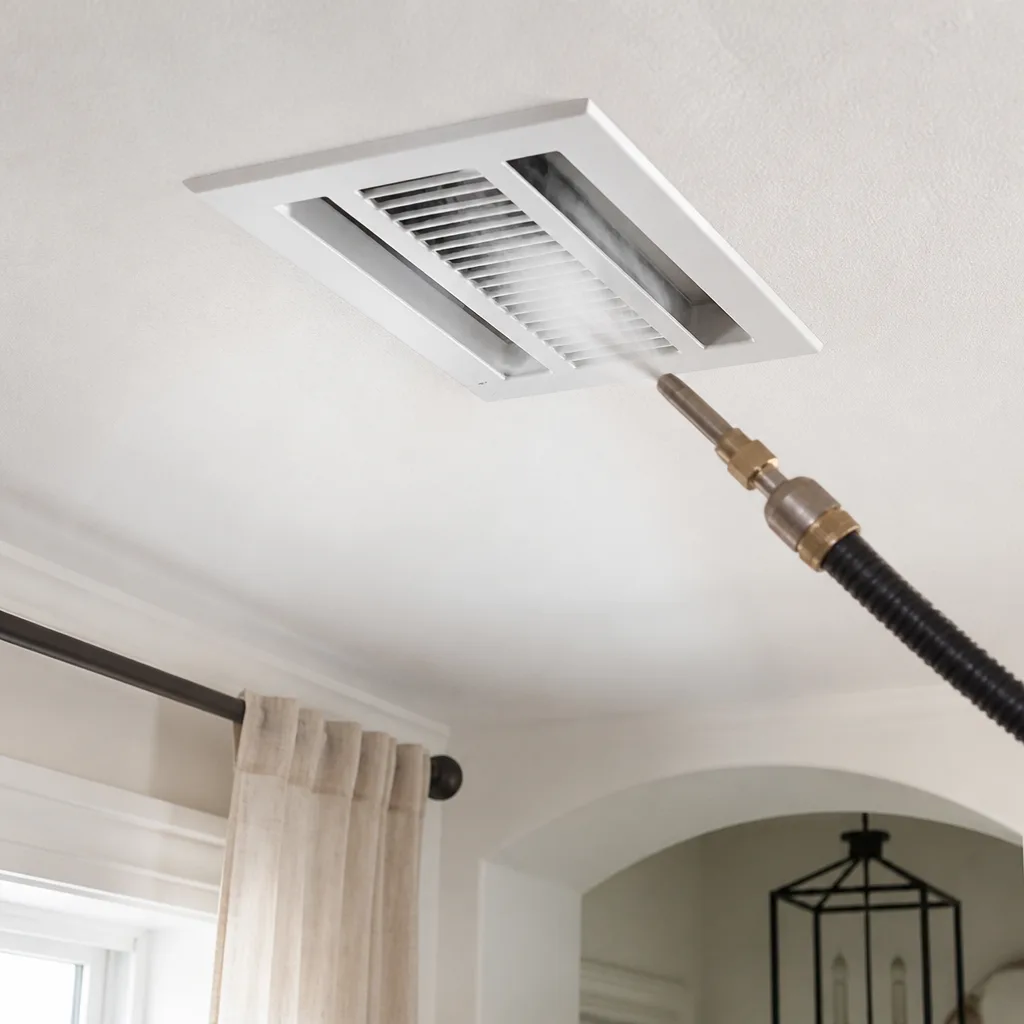 Sanitizing & deodorizing
Whole-system duct and dryer vent check with before-and-after photos - you see exactly what came out of your vents
That "$99 whole-house special" is a bait ad - the real number appears once they are in your hallway, or the "clean" is a shop-vac at the register. We photograph the inside of your ducts before and after instead.
DIY vs Professional Air Duct Cleaning: The Puyallup Homeowner’s Decision Guide
Here’s the part most duct cleaning articles get wrong: the difference between a shop vac and a professional system isn’t suction power. It’s pressure direction. A consumer vacuum blows air around inside a closed system and pushes debris out through every gap and register, which means each pass can end up spreading dust into the rooms you were trying to protect. Professional equipment works the opposite way, pulling the whole system into negative pressure so debris leaves the house instead of visiting the living room. This guide walks Puyallup homeowners through what a shop vac can honestly accomplish, where the physics stop cooperating, and how to decide whether to rent, buy, or call.
Quick Answer
A shop vac and a dryer-vent brush can handle surface dust at registers and grilles, but they cannot create the negative pressure or mechanical agitation needed to remove debris from inside the ductwork itself. Professional cleaning pulls the entire system under vacuum and agitates the walls of the ducts with rotating brush systems, which is the only reliable way to move settled debris to a capture point. In most Puyallup homes with forced-air heating and a decade or more of buildup, DIY is a maintenance supplement, not a replacement.
Styles & brands we work with
- Whole-home duct cleaning
- Dryer vent cleaning
- Camera inspection
- Sanitizing & deodorizing
Table of Contents
- The Physics of Source-Removal Cleaning
- What a Homeowner Can Legitimately DIY
- When DIY Makes a Professional Job Harder
- Cost Comparison: Consumer Tools vs Professional Service
- When DIY Is Not Just Ineffective But Risky
- Puyallup-Specific Context: Climate, Housing, and Duct Design
- A Step-by-Step Pre-Call Inspection Checklist
- Common Mistakes to Avoid
The Physics of Source-Removal Cleaning
Duct cleaning works because of two things happening at the same time: negative pressure capture and mechanical agitation. Miss either one and the job is cosmetic.
Negative pressure means the entire duct system is held at a lower pressure than the room around it, usually by tying a high-volume vacuum into the main trunk line and sealing the registers you aren’t actively working through. Any debris that gets loosened inside the duct has nowhere to go but toward the vacuum. Rotobrush and Nikro systems are built around this principle, and the reason professional crews run them isn’t brand loyalty; it’s that a shop vac rated at, say, 150 CFM can’t hold a whole house’s duct network under meaningful negative pressure. It moves a lot of air but not the right volume at the right differential.
Mechanical agitation is the second half. Dust in a duct doesn’t sit loose like sand. Over years it consolidates, binds to the metal with a thin film of moisture and oil, and picks up lint and hair that act like netting. A vacuum alone pulls the loose top layer off and leaves the rest. Rotating brush heads, air whips, and compressed-air tools physically break that crust from the wall so it can be captured. When we clean a system with professional-grade equipment, both halves run together, which is why the process looks slower than a shop vac but finishes with visibly cleaner duct interiors.
You can see the problem in any Puyallup home where a homeowner has shop-vacced the registers and then wondered why the dust keeps coming back. The registers were cleaned. The ducts weren’t.
What a Homeowner Can Legitimately DIY
Let’s be straight about what a homeowner can actually do well. Several tasks in the same physical space as your ducts don’t require professional capture or agitation, and doing them yourself on a schedule genuinely helps.
- Register and return grille cleaning. Pop the covers off, wash them in the sink or hose them down outside, dry them fully, and put them back. This is the highest-return 20 minutes of duct maintenance in any house. Do it twice a year, or whenever you see dust loading on the vanes.
- Filter changes. A one-inch pleated filter in a typical Puyallup forced-air system needs swapping every 60 to 90 days, more often if you have pets or are doing renovation work. Upgraded filters help catch what’s coming back through the return, but only if you keep up on them.
- Dryer vent maintenance. Pull the flexible connector behind the dryer, vacuum the lint from the transition, and clear the exterior flapper. If the run is short and straight, a homeowner can do a decent job. Long runs with elbows are a different story, and a blocked dryer vent is a fire hazard, so professional dryer vent cleaning is the safer call for anything beyond the simple case.
- Return-air grille inspection. Shine a flashlight into the return opening and look at the first six inches of the duct interior. You can often see dust accumulation, moisture staining, or pest activity that would otherwise go unnoticed until it becomes a bigger problem.
- Spot check of supply register interiors. Same idea. Look, don’t stick a vacuum hose deep into flex duct. The ribbed interior of flex duct catches everything, and a churning shop vac head can push chunks past joints or tear the liner.
On the commercial side of the same work, Puyallup Air Duct Cleaning Pros uses Rotobrush and Nikro equipment to run whole-system jobs because the tools match the task. What a homeowner does best is the stuff at the surface. What a professional does is the work that happens inside the duct walls.
When DIY Makes a Professional Job Harder
This is where a lot of homeowners get quietly surprised. A DIY attempt isn’t neutral. It can change the shape of the problem.
Flex duct joints. A huge share of homes built in Puyallup in the 1990s and 2000s use flexible duct in the attic and crawlspace runs. That duct has a plastic inner liner, a wire helix, and insulation around the outside. Push a shop vac head into it with any real force and you can catch the liner on the wire ribs, tear it, or shove a plug of debris past a joint where it becomes much harder to extract. Then the “clean” system has a clog that grows.
Sealed registers. Professional cleaning requires every register in the system either sealed or actively served by a vacuum. A homeowner running a shop vac without that sealing simply redistributes dust. When a professional crew arrives later, they’re not just clearing the original dust load; they’re also clearing what you moved into the supply runs and back into the return.
Loose insulation contamination. If you disturb duct insulation or pull a connection apart while working, fiberglass fibers can end up inside the airstream. That’s a serious indoor air quality problem that a professional has to fix with filter equipment, not a shop vac. Abatement Technologies air-filtration units handle this kind of contamination control on-site.
We’ve seen plenty of Puyallup attics where a homeowner’s attempt to “just clear the line” turned a straightforward air duct cleaning appointment into a repair call. The DIY cost is the tool purchase. The follow-on cost is the extra labor.
Cost Comparison: Consumer Tools vs Professional Service
Here’s the honest math, drawn out over a realistic maintenance window. Puyallup pricing for full-system residential cleaning typically runs a few hundred dollars for a standard house every several years, while consumer tools cost less up front but don’t remove system debris. The comparison below labels each figure as a cost or a rate, not a promise of what your job will run. Your written estimate sets the final number.
| Approach | Typical Cost | What It Actually Achieves |
|---|---|---|
| Consumer shop vac | $60 to $150 one-time (or rent for $20 to $40 per day) | Surface dust at registers; can push debris deeper into ducts |
| Dryer vent brush kit | $25 to $60 one-time | Decent on short, straight vent runs; ineffective on long or angled runs |
| Better filters (annual) | $60 to $120 per year | Genuinely useful; do this regardless |
| Professional full-system cleaning | Typical range for a standard Puyallup home, quoted per system | Negative-pressure capture plus mechanical agitation of duct walls |
| Professional dryer vent cleaning | Quoted per job | Full run clearing to code with a documented fire-safety outcome |
Across a 10-year maintenance window, a homeowner who buys a shop vac and a dryer brush kit and does the register cleaning will have spent a modest amount and done real good. But if the system has never been professionally cleaned, they’ve also spent 10 years with the same settled debris load in the ductwork. The professional cleaning still ends up on the schedule eventually, and the difference is whether it happens with a system that’s been slowly filled more or with one that’s been damaged by poorly aimed attempts.
The math also shifts depending on what the job turns into. If a professional inspection reveals a mold problem or rodent intrusion (common in Puyallup crawlspaces), the total cost of remediation climbs. DIY didn’t cause the mold, but the time spent chasing it with a shop vac may have extended how long the contamination sat.
When DIY Is Not Just Ineffective But Risky
Some duct situations call for a professional from the start, not because a homeowner lacks skill but because the contamination type carries a real health or property risk. Three scenarios matter most.
Suspected mold. Look for speckled dark patches on duct interior surfaces, a persistent musty smell in specific rooms, or condensation on register grilles. A shop vac can aerosolize mold spores into the living space, which is exactly the wrong result. Mold questions need to be handled with proper filtration and, in many cases, testing before any cleaning begins. If you suspect mold, don’t run a shop vac in the duct. Call for an inspection.
Rodent intrusion. Puyallup’s wooded areas and older crawlspaces make rodent intrusion a real possibility in forced-air systems. Droppings, nest material, and urine-soaked insulation are a biohazard. A standard shop vac without HEPA filtration and disinfection protocol will spread contamination far more widely than it removes. Sanitizing service with something like a Guardsman antimicrobial product is part of the professional response, along with finding and sealing the entry point.
Post-renovation debris. Drywall dust, sawdust, insulation fibers, and small construction fragments all migrate into the ducts during renovation and settle deep in the system. This is one of the worst cases for a shop vac because the fine dust is exactly what aerosolizes. Professional filtration during the cleaning (Abatement Technologies units are the standard) keeps the surrounding home clean while the system is cleared.
In each of these, the question isn’t “can I do this cheaper?” It’s “what happens to the rest of the house if I try?”
Puyallup-Specific Context: Climate, Housing, and Duct Design
Puyallup sits in the Puyallup River valley, and the valley matters more than people realize. Winter moisture and summer pollen both load the local air, and the housing mix shapes how much debris each home’s ductwork holds.
Housing stock matters. Puyallup has a wide range of home ages. Older homes in neighborhoods like Meeker and downtown often carry original or lightly retrofit ductwork, sometimes with short runs from a central unit. Newer construction out toward South Hill and Sunrise commonly uses flex duct in the attic, which catches lint and debris in its ribbed interior more aggressively than rigid metal. Flex duct is also the type most easily damaged by amateur cleaning attempts.
Climate effects. Wet winters mean plenty of moisture in the air, and where the supply registers meet cool interior walls, condensation can form on metal surfaces. That moisture feeds dust into a sticky film that binds to duct walls. Summer pollen comes down off the surrounding hills and gets pulled straight into the return. Without regular cleaning, that film thickens and starts loading the whole system.
Crawlspace realities. Many Puyallup neighborhoods sit over crawlspaces with fluctuating humidity. Ducts routed through them are exposed to conditions that accelerate dust loading and can carry crawlspace air into the living space if joints leak. Duct sealing and repair, offered as part of the broader HVAC cleaning work, closes those gaps.
None of this changes the fundamental decision between DIY and professional, but it does mean Puyallup homes tend to accumulate more debris than a homeowner might guess from glancing at a register. See what’s moving through your air with a professional inspection before assuming the job can be handled with a shop vac.
A Step-by-Step Pre-Call Inspection Checklist
Before deciding whether to call, run this inspection. It takes about 30 minutes and gives you (and any professional you speak to) a clearer picture of what’s in the system.
- Walk the house and count your registers. Supply and return. Note any rooms that always feel dusty.
- Pull one supply register and look inside with a flashlight. Note color, texture, and whether the surface looks dry, oily, or sticky.
- Check the return grille filter slot. If the filter is dark gray or falling apart, swap it. This is one of the highest-impact things you can do.
- Note any odors. Musty, earthy, or chemical smells in specific rooms are a signal worth mentioning on a call.
- Look at the dryer vent exterior flapper. If it’s stuck open, caked with lint, or blocked, that’s a fire hazard. Professional dryer vent cleaning resolves it.
- Inspect any accessible duct runs. In an attic or crawlspace, look at flex duct joints. Any visible tear, disconnected section, or crushed run is a repair item, not a cleaning item.
- Snap phone photos of anything that looks off. These help you get an honest estimate over the phone and verify what a technician finds later.
Run this checklist once a year. If the answers change materially (new smell, newly visible staining, a register suddenly blowing weak), it’s time to book an appointment rather than try another round of shop-vac work.
Common Mistakes to Avoid
- Running a shop vac in an unsealed system. Without negative pressure and register sealing, you redistribute dust into every room in the house. Seal or skip the job entirely.
- Pushing a brush into flex duct runs. The ribbed liner catches everything. A homeowner pushing a brush into an attic flex run often tears the liner or shoves a plug far past the last elbow, which turns a routine cleaning into a repair.
- Skipping the exterior dryer vent for months or years. Lint accumulation is a genuine fire hazard, and a flapper left caked with lint is the most common failure point in Puyallup homes with pets or high laundry volume.
- Assuming a stronger filter solves a duct problem. A premium filter catches what comes back, but it doesn’t clean the duct. High-MERV filters can even increase system pressure if the rest of the system isn’t matched, so don’t buy the thickest filter on the shelf without checking the system spec.
- Cleaning one room because that room “seems” worse. Ducts are a shared system. Cleaning one register without clearing the associated run can leave the worst accumulation exactly where it was.
- Hiring on price alone and skipping the proof-of-work conversation. Ask any provider how they’ll show you the before-and-after. Cheapest-per-vent quotes often end up as a much larger invoice once a technician is on-site, and that’s the reputation problem in this industry that a one-flat-price-per-system agreement exists to prevent.
- Putting off the professional cleaning after a renovation. Drywall dust and construction debris load the system more than five years of normal use. Book the cleaning before you move furniture back in.
See the difference
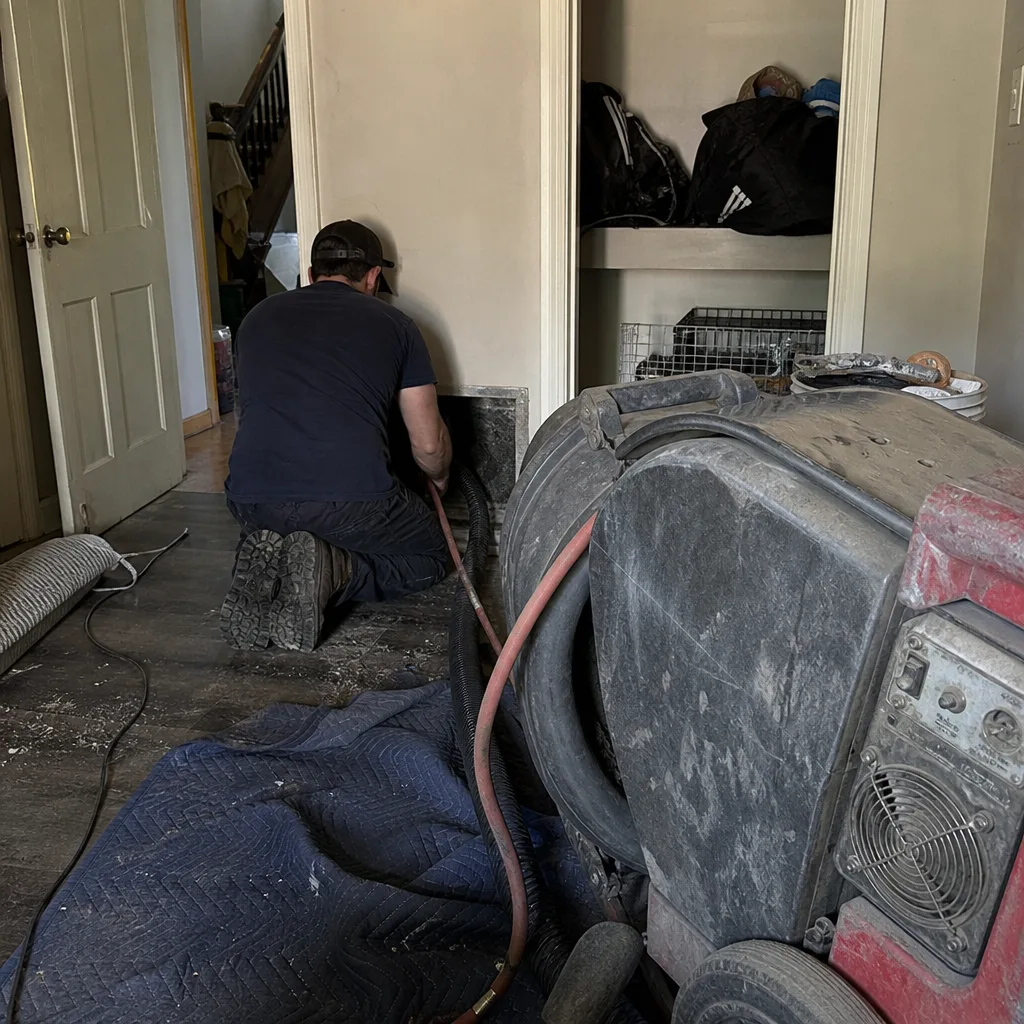 Before
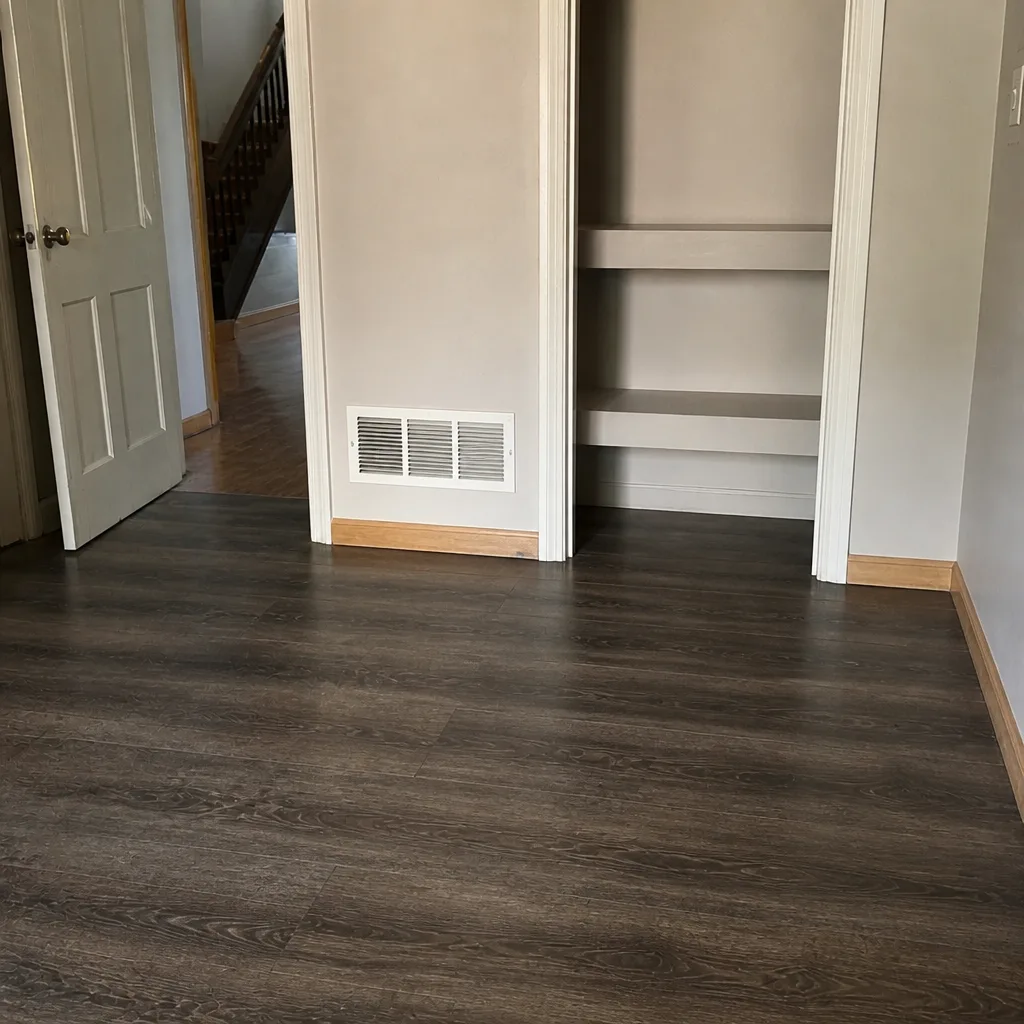 After
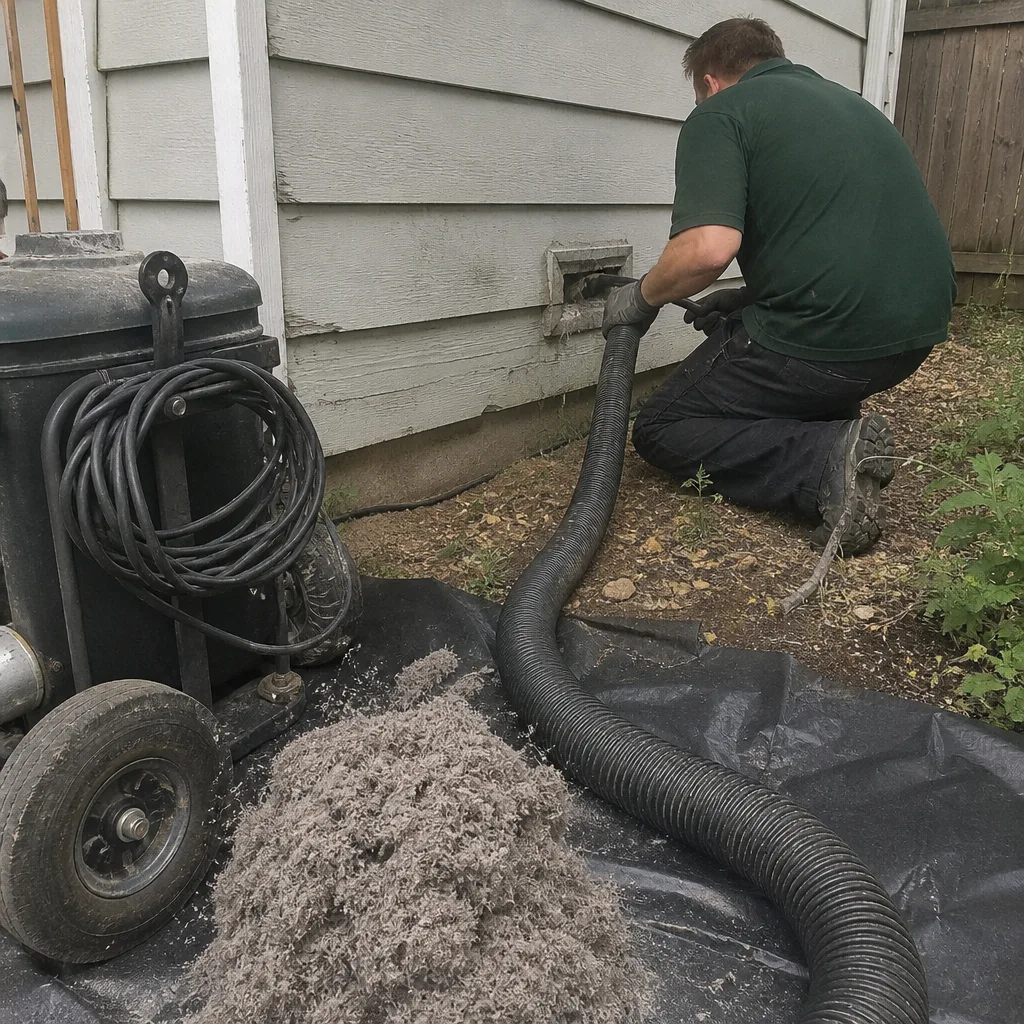 Before
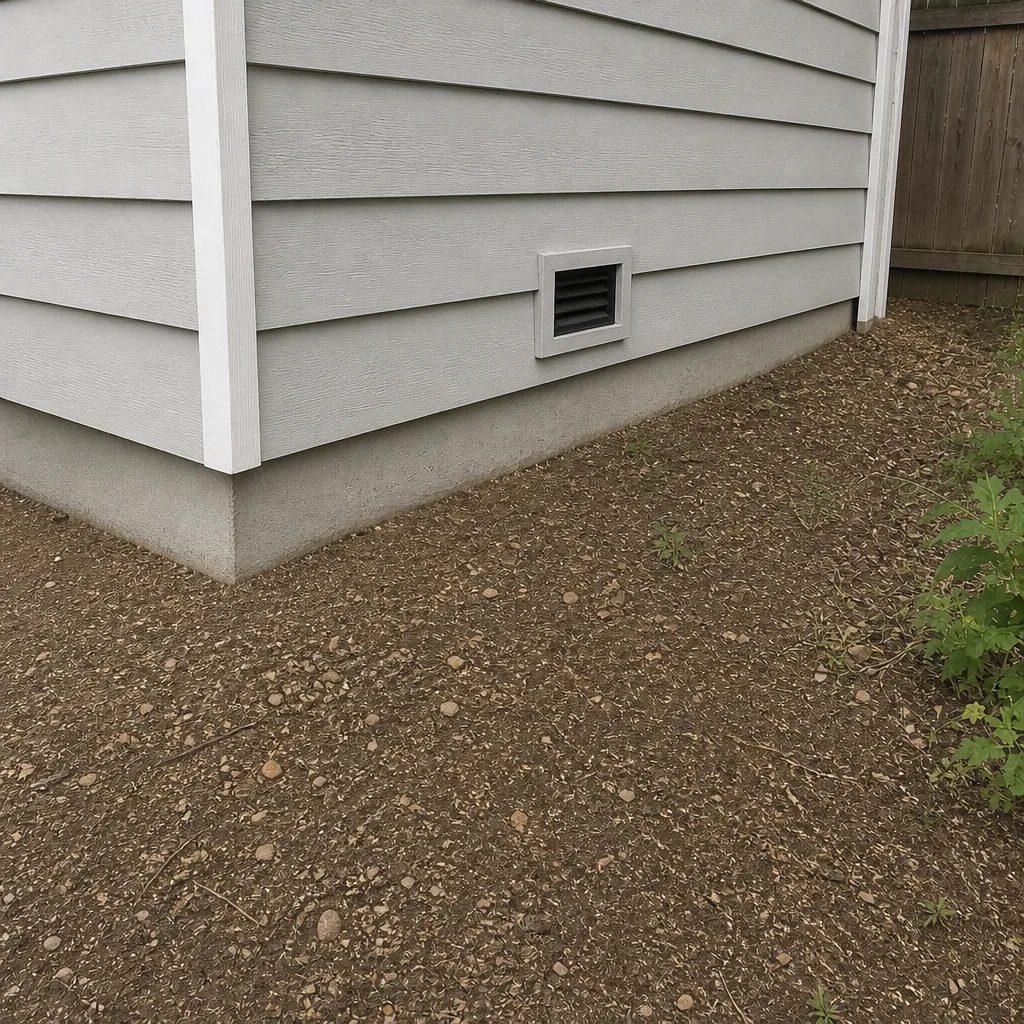 After
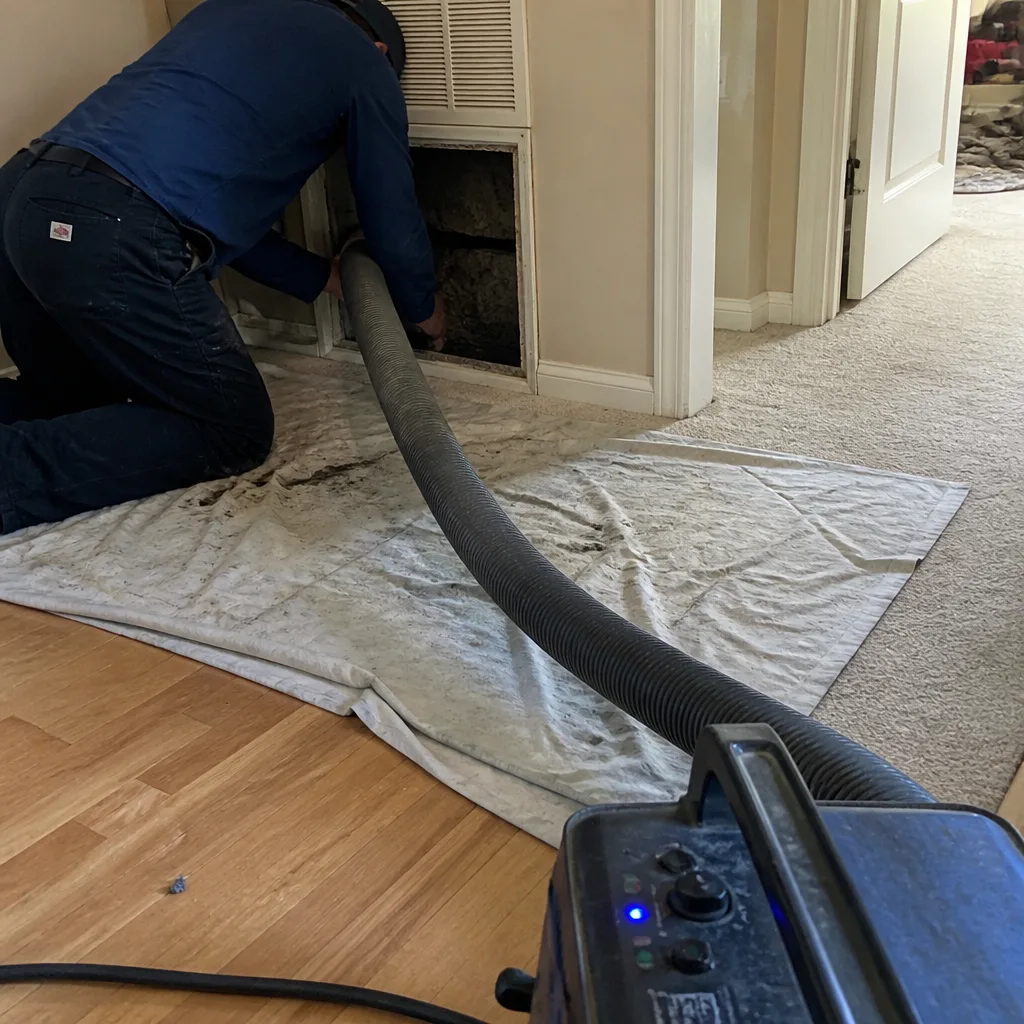 Before
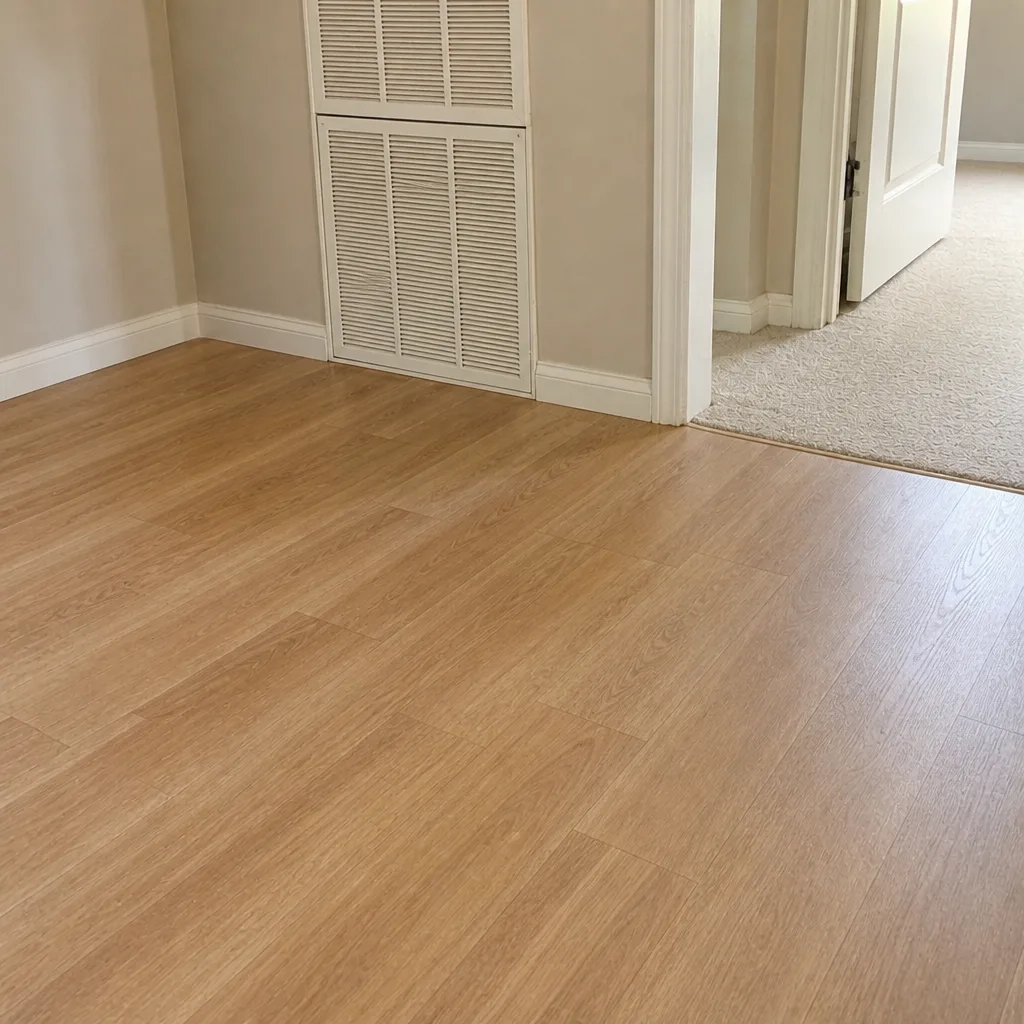 After
When to Call a Professional
You should call a professional for full-system duct cleaning when any of the following are true: the ducts have never been professionally cleaned and the house is more than a decade old; you see visible debris, staining, or musty odors inside the ductwork; you’ve had rodent activity in the attic or crawlspace; you’ve recently completed a renovation; a room consistently runs dustier than the rest of the house; or a dryer vent run is long or clogged. You should also call if you’re considering a duct sanitizing service, since that work pairs with a proper cleaning rather than replacing it.
Puyallup Air Duct Cleaning Pros offers free estimates in Puyallup. Call (855) 658-5273. The team runs Rotobrush and Nikro equipment for mechanical agitation and extraction, uses Abatement Technologies filtration to keep the home clean during service, and can repair and seal ductwork discovered along the way. One call gets the whole system looked at, not just the visible registers. Our technicians have up to 11 years of experience, and every job comes with before-and-after photos so you can see the results on your own system.
Frequently Asked Questions
DIY is worth it for register cleaning, filter changes, and basic dryer vent maintenance, but it isn’t a substitute for full-system cleaning. The ductwork itself needs negative-pressure capture and mechanical agitation that consumer tools can’t produce, so if the system has never been professionally cleaned, calling is the better use of your time. Call (855) 658-5273 for an exact quote; estimates are free.
Yes, especially if the system uses flex duct in the attic or crawlspace. A shop vac head pushed into flex duct can tear the liner against the wire helix, catch debris past joints, or loosen insulation into the airstream. If you’re vacuuming registers from the room side, damage is unlikely. If you’re pushing into the duct runs, stop.
Pricing is set per system by a written estimate, not by the vent. Most Puyallup homes fall into a standard residential range, but the final number depends on system size, run layout, and whether repair or sanitizing is needed. We give one flat price per system agreed before work starts, so there’s no coupon bait-and-switch. Call (855) 658-5273 for an exact quote; estimates are free.
A very low quote is often a per-vent teaser that balloons once the technician is on-site and adds “extras.” A real quote covers the whole system at one price and is documented before work starts. Ask for the flat price per system in writing, and ask how before-and-after photos will be delivered. In our experience, the honest number is the one you can compare apples to apples.
You should see before-and-after photos of your own ducts, and you should see the equipment during service: a capture unit at the main trunk, agitation tools in each run, and sealant or filter equipment if repairs are part of the job. If a provider can’t show you what came out, that’s your signal. Ask in advance what documentation you’ll get.
Most homes benefit from full-system cleaning every several years, sooner if there’s been remodeling, pest intrusion, or allergy-driven occupants. The Puyallup climate and the local housing mix of older homes and flex duct push accumulation faster than in drier regions, so a house that’s gone 10+ years without a clean is usually past due. Call (855) 658-5273 to talk through your specific situation.
The Bottom Line
The DIY vs professional question isn’t really about skill. It’s about whether you can create negative pressure and mechanical agitation in a closed duct system with tools a homeowner can buy. For register cleaning, filter swaps, and basic dryer vent maintenance, DIY is a genuine win. For the actual ductwork, and for any situation involving mold, rodents, or post-renovation debris, professional equipment is the safer and more effective route. The Puyallup Air Duct Cleaning Pros team handles cleaning, dryer vent work, HVAC cleaning, duct repair and sealing, and sanitizing, so the whole system gets looked at in one service. Cleaner air starts in the ducts. If you’ve run the pre-call checklist and something looks off, that’s the signal to book an appointment. Call (855) 658-5273 for a free estimate. We answer 24/7. Fast dispatch from 7am to 7pm, Sunday through Friday.
Written by the team at Puyallup Air Duct Cleaning Pros.