
Last updated November 25, 2026
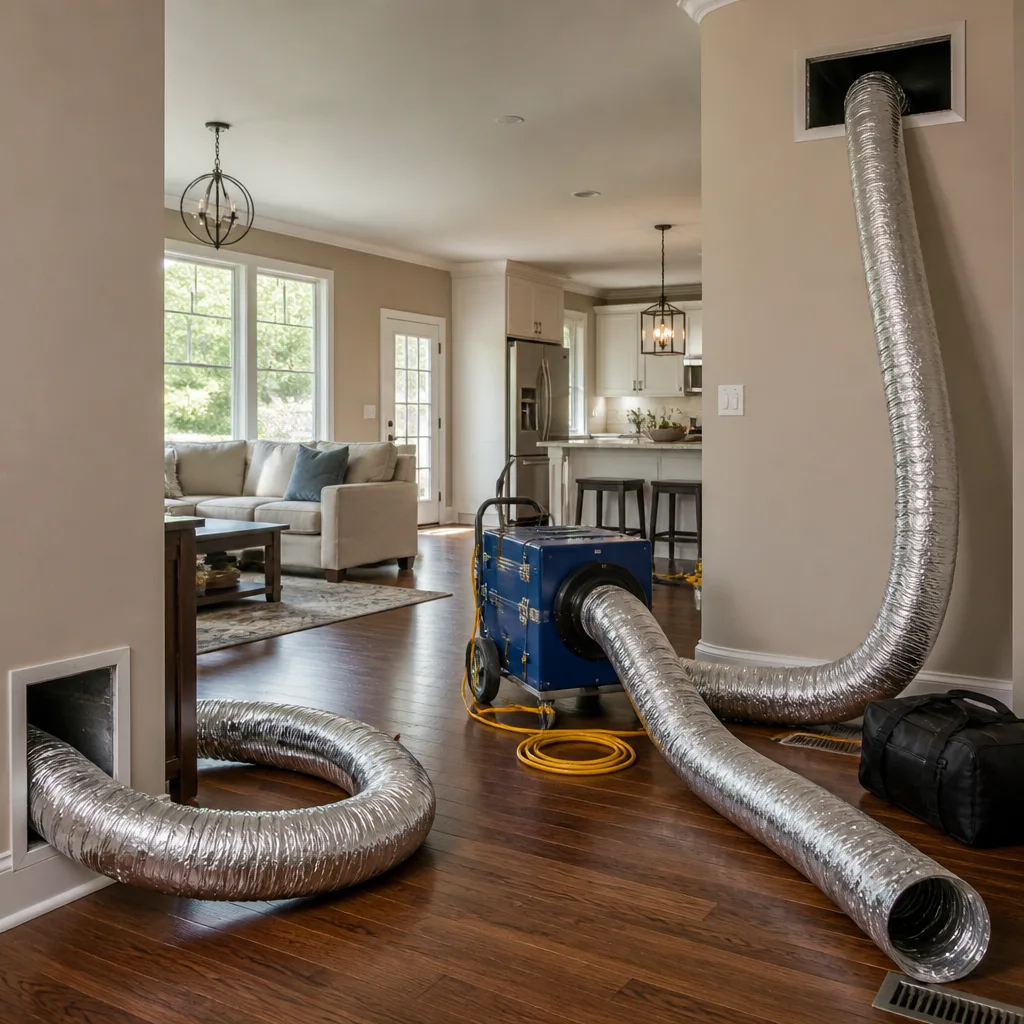 Whole-home duct cleaning
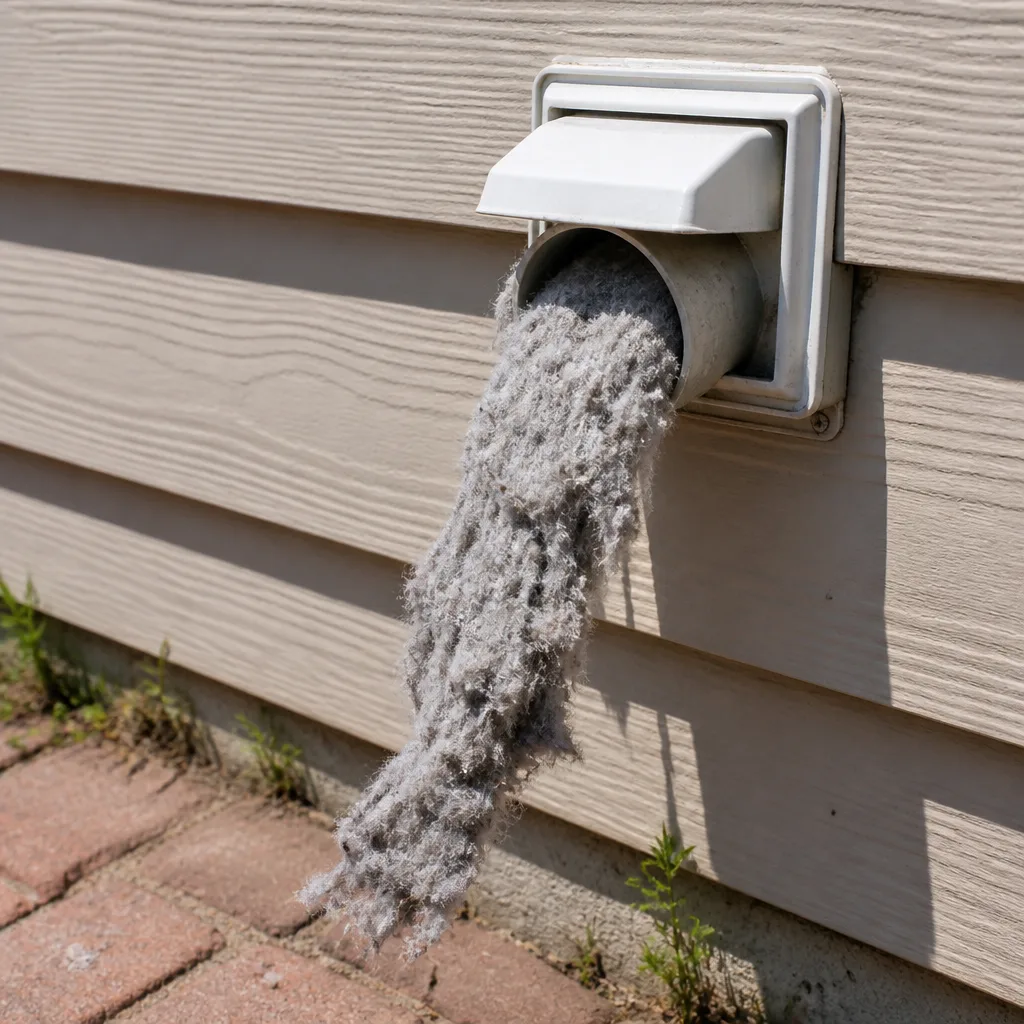 Dryer vent cleaning
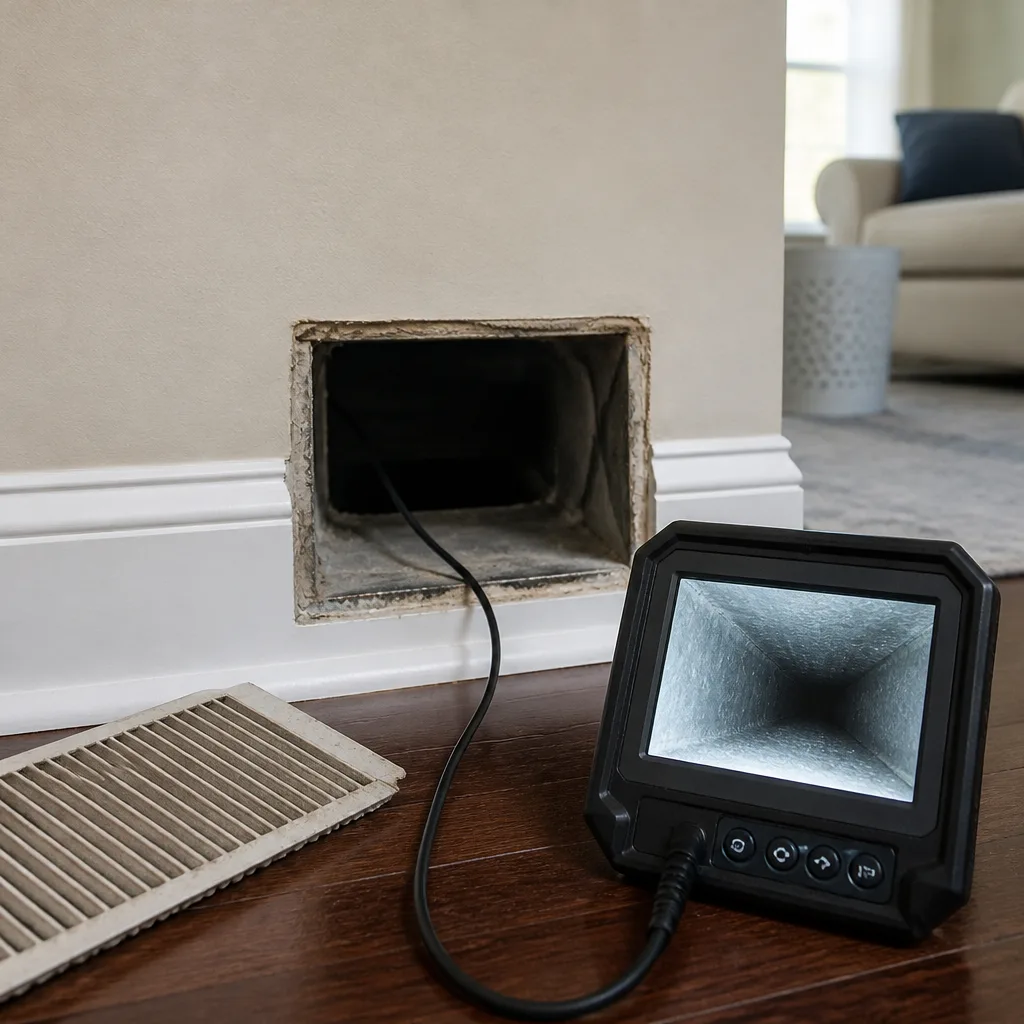 Camera inspection
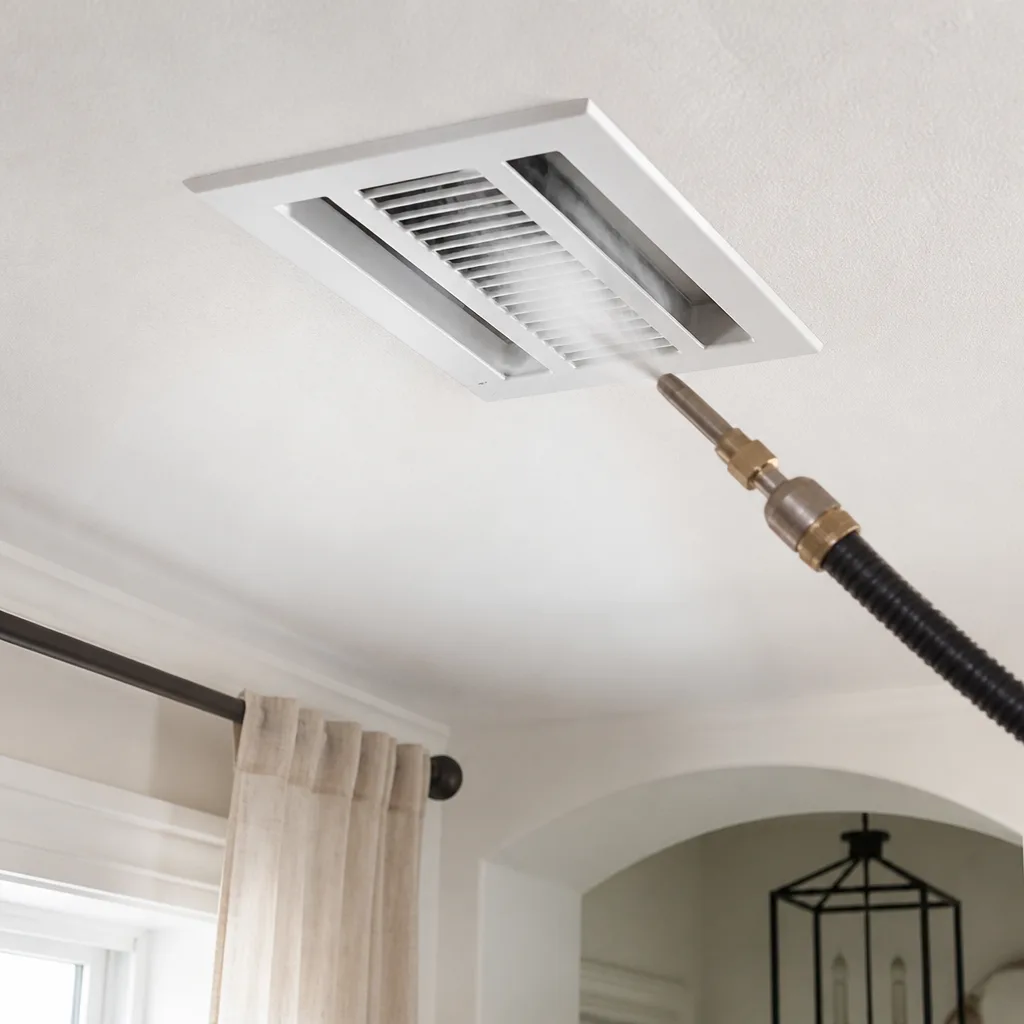 Sanitizing & deodorizing
Whole-system duct and dryer vent check with before-and-after photos - you see exactly what came out of your vents
That "$99 whole-house special" is a bait ad - the real number appears once they are in your hallway, or the "clean" is a shop-vac at the register. We photograph the inside of your ducts before and after instead.
Air Duct Cleaning Emergency Preparedness Guide for Puyallup Homes
Most homeowners think of duct cleaning as maintenance, and they’re right about 95% of the time. But the other 5% of the time, the ducts are the one part of the house nobody remembers until something has gone wrong. A contained kitchen fire, a sewage backup in the laundry room, a rat colony in the crawlspace, or a week of wildfire smoke from the Cascades can push the whole air distribution system into crisis territory within hours. The system can’t be turned on because it will spread the problem, and it can’t be turned off forever because the house needs to breathe. This guide is about that narrow, confusing window in the first 24 hours. What to shut off, what to photograph, what to tell your insurer, and what to ignore. We’ve walked Puyallup homeowners through each scenario enough times to know the sequence matters. Here’s how it goes.
Quick Answer
After a house fire, sewage backup, rodent infestation, or significant smoke event, the most important first step is to shut off the HVAC system so contaminated air isn’t pulled through the ducts and pushed back into every room of the house. Before anything is cleaned, document the condition with photos and gather the details your insurer will ask for. Then schedule a professional inspection of the entire duct system before the furnace or air handler is turned back on – running the system first spreads soot, smoke residue, contaminants, or odor to rooms that were never touched by the original event.
Styles & brands we work with
- Whole-home duct cleaning
- Dryer vent cleaning
- Camera inspection
- Sanitizing & deodorizing
Table of Contents
- Post-Fire Duct Protocol: The First 24 Hours
- Flood and Sewage Backup: Why Contaminated Water and Ducts Don’t Mix
- Wildfire Smoke Events in Puyallup: When the Ducts Hold the Smell
- Rodent Intrusion: Exclusion First, Cleaning Second
- How to Document Duct Damage for Your Insurance Claim
- What Runs a Whole-System Clean, and What Doesn’t
- When It’s Worth a Full Inspection
Post-Fire Duct Protocol: The First 24 Hours
A house fire, even one that stayed in the kitchen, sends combustion byproducts into places most people never think about. Smoke travels through the pressure differences in a house – through return air grilles, through gaps in the duct seams, through supply registers in rooms that never saw the flame. So the universal first step after any fire inside the envelope is the same: do not run the HVAC system. The furnace and the air handler pulling air through the system is exactly the mechanism that will distribute soot particles, dust, and odor to every room. If the system runs during the fire, or during the smoke that follows, it will carry that soot farther than the fire ever did.
Our advice to Puyallup homeowners who have just had a fire is to keep the sequence simple and remember it under pressure.
- Shut off the HVAC system at the thermostat. Second choice if the thermostat is inaccessible: shut off the air handler at the breaker. Do not turn the system back on to “test” it.
- Photograph everything commercial-cleaning-attention before anyone touches it. Grilles, registers, air handler filter, and the visible interior of any supply or return ducts you can see without tools.
- Save the fire department’s report number and the date/time of the fire. Your insurer will want both.
- Note what was burning. Cooking grease, plastic, furniture, wiring – the residue profile is different and it shapes the cleaning protocol.
- Notify your insurer that the duct system is part of the claim. Many policies cover duct cleaning after a fire under the “debris removal” or “smoke damage” provisions, but it often has to be requested and documented.
- Book a duct inspection before the heat goes back on. If the insurance adjuster’s own contractor offers to “just vacuum out the vents,” get a second opinion from a duct specialist. A real post-fire inspection looks at the trunk lines, the plenum, and the runouts, not just the grilles in the hallway.
The good news is that a full-system clean after a contained fire is very effective when done properly. Our technicians use professional-grade equipment, including the Rotobrush and Nikro mechanical agitation and extraction systems that restoration contractors use in this exact scenario. We also bring Abatement Technologies air-filtration equipment on-site so dust and soot lifted during the work are captured rather than re-released into the house. That’s the difference between a proper post-fire duct clean and a shop vacuum run through the registers.
Flood and Sewage Backup: Why Contaminated Water and Ducts Don’t Mix
Water damage in a Puyallup home rarely stays where it started. A sewage backup in the laundry, a failed water heater, a burst supply line, or a slow leak under a bathroom floor can eventually reach the duct system through floor registers, through seams in the subfloor, and through the wall cavities that ductwork runs inside. Sewage and gray water in ducts are a biohazard category, not a “let it dry out” problem. Once the ducts have been exposed to contaminated water, they cannot be simply dried and used. The moisture plus organic material in dust and debris is a growth environment, and the whole system needs to be cleaned with protocols that account for the contamination class.
Here’s how the sequence typically goes after a sewage or gray water event that may have reached the ducts:
- Stop running the HVAC. Same reason as after a fire. The air handler pulls damp, contaminated air through the system and pushes it into the living space.
- Call a water remediation company first, not a duct cleaner first. Standing water and wet materials have to be extracted and dried before duct cleaning makes sense. Duct work in a still-wet crawlspace will just re-contaminate.
- Identify every floor register near the water. Photograph each one, and note which rooms were affected. This is what your restoration or insurance team needs.
- Do not attempt to “flush” a wet duct yourself. A rented vacuum or a shop vac blowing air into a grille pushes spores and contaminated particles into the same rooms you’re trying to protect.
- Schedule duct cleaning and sanitizing as a follow-on step, not the first step. That’s why our air duct cleaning work in these cases starts with an inspection and contamination assessment, not the mechanical clean.
After the water is gone and the structure is dry, a full mechanical clean followed by an antimicrobial treatment is the appropriate next step. We use Guardsman products in our sanitizing service to document the antimicrobial application – not because the product itself is a cure-all, but because it gives your insurer and your family a record that the biohazard step was completed correctly.
Wildfire Smoke Events in Puyallup: When the Ducts Hold the Smell
Puyallup sits in the Puyallup River valley, and from late July through September, wildfire smoke from fires on the eastern side of the Cascades can settle into the valley and linger for days. If the smoke has been heavy and the HVAC was running with windows closed, the ducts become the place where that smoke parks itself. Fine smoke particles, plus the volatile organic compounds that come with them, get pulled into the return side of the system, then settle on the interior walls of the ducts, on the air handler components, and in the evaporator coil. The house can smell like the smoke event ended days ago, and that’s the tell: if the air still smells like smoke after the outside air has cleared, the ducts are now the source.
Some signs the system is holding smoke residue:
- The house smells smoky even on clean, clear days when the windows have been closed for days.
- You notice the smoke smell strongest in the first few minutes after the heat or AC comes on.
- Visible dust or fine gray film on the supply register louvers in rooms that have been closed up.
- Family members with asthma or seasonal allergies report symptoms that don’t track with outdoor air quality.
Our response advice in Puyallup is straightforward: don’t rush the inspection, then don’t delay the clean once the outdoor event has passed. During the smoke event itself, close the outside air intake, run the system’s fan on low or use a portable HEPA in the main rooms, and change the furnace filter more often than usual. Once the outdoor air quality has returned to normal for several days and the smell persists inside, that’s the point to inspect and, if the ducts are contaminated, to HVAC cleaning the whole system – not just the ducts, because the coil and blower hold the same particles.
If the house is new to you and you don’t know whether the previous owner ever had the system cleaned, a post-wildfire event is a good reason to combine a full evaluation with the first clean. Rotobrush and Nikro systems handle that combination well because they give us controlled mechanical action on the duct interiors plus HEPA-filtered extraction, which keeps the smoke residue from being stirred back into the house during the work.
Rodent Intrusion: Exclusion First, Cleaning Second
A rodent problem in the ducts is not just a smell problem or a droppings problem. Rodents nest in ductwork because it’s sheltered, warm, and sealed off from predators. In the crawlspaces and attic spaces of older Puyallup homes – and plenty of newer ones near the valley floor – the flexible duct runs and the trunk lines are an easy target. Once rats or mice have been in the ducts, they leave droppings, urine, nesting material, and potentially hantavirus-carrying particles. The response has one critical sequencing rule: exclusion comes before cleaning, never after. Cleaning a duct system that still has an active entry point just gives the next rodent a clean environment. Cleaning a duct system that has an unresolved active nest means the clean re-contaminates within days.
How to tell active infestation from historical:
- Signs of active infestation: fresh droppings, recent gnaw marks on flexible duct, greasy rub marks along duct runs, sounds in the walls or ceiling at dusk or dawn, or a duct register with droppings underneath the grille.
- Signs of historical infestation: droppings that have dried to a chalky gray, gnawed sections already sealed with tape, no fresh rub marks, no sounds, no new droppings after several days of observation.
- Ambiguous cases: treat as active until a pest-control professional confirms otherwise. The cost of a wrong assumption in the wrong direction is another contamination cycle.
When we clean after a rodent event in Puyallup, we do it in this order: pest control first (exclusion, entry-point sealing), duct cleaning and sanitizing second, then duct repair and sealing third if the rodents chewed through sections of flexible duct. That last step is why our Puyallup Air Duct Cleaning Pros work includes duct repair and sealing as its own category – we repair what we find rather than just blowing out the ducts and leaving the hole in the run. If your ducts are compromised, cleaning alone is not the fix.
The health caution that matters most here: do not vacuum rodent-contaminated duct yourself and do not run the HVAC to “see if the smell clears.” Rodent urine and dried droppings release particles that a standard vacuum will send into the room. That’s a job for professional-grade HEPA-filtration equipment and appropriate protective gear, which is exactly what Abatement Technologies equipment on-site is there for.
How to Document Duct Damage for Your Insurance Claim
Insurers do not approve duct work because a homeowner says the ducts smell smoky or musty. They approve it because the file contains specific evidence. The homeowner who has this evidence ready on day two has a much smoother claim than the one who calls the insurer a week later with a verbal description and nothing to show. We’ve helped Puyallup homeowners pull together claims documentation, and the file that gets approved tends to contain the same four things.
- Dated photographs of every affected register, grille, and air handler. Wide shot of the room, close-up of the register interior. Note the room on each photo. If you have a photo before the event and one after, include both.
- A short written log of the event. Cause, date, time, what was affected, and when the HVAC was shut off. This is the part most people skip and the part that closes questions later.
- The fire department report number, water remediation invoice, or pest-control invoice that establishes the cause and the timeline. Insurers want the causal chain documented independently of the duct cleaner.
- A written contractor report from the duct inspection. This should list the affected components (supply trunks, return trunks, individual runs, air handler, coil), the type of contamination observed, and the recommended scope of cleaning. If any air quality readings were taken, include them, but don’t expect a home inspector’s general report to substitute – duct-specific language matters.
A few things worth knowing about how insurers handle these claims in practice. Duct cleaning after a fire or sewage backup is more often covered than duct cleaning as routine maintenance; the claim has to be tied to a specific event and a specific loss. If your adjuster asks for a “duct inspection report,” ask whether they want a scope of work back from the contractor, not just a general assessment – the two are different documents. And keep the receipts for any remediation, restoration, or air-quality testing you pay for out of pocket, because those flow into the same claim.
What Runs a Whole-System Clean, and What Doesn’t
Not every post-emergency situation needs the same scope of work. The evaluation we run in Puyallup before quoting anything comes down to four questions: what was the source of contamination, how far into the system did it travel, how much of the system is accessible, and how much of the system is contaminated with something living (mold, rodent, bacteria) versus something inert (soot, dust, smoke residue). Those answers determine whether you need a full mechanical clean, a sanitizing pass, duct repair and sealing, or all three.
| Event | Typical first step | Typical duct scope | Follow-on |
|---|---|---|---|
| Contained house fire | Shut off HVAC | Full mechanical clean, HEPA filtration during work, sanitizing pass | Duct sealing if seams or joints show soot infiltration |
| Sewage or gray water backup | Stop HVAC, extract water, dry structure | Full mechanical clean, sanitizing with documented antimicrobial product | Duct repair and sealing if ductwork was wet or damaged |
| Wildfire smoke event | Evaluate outdoor air first | Full duct and HVAC clean (coil and blower included) | IAQ upgrade with Honeywell or Aprilaire filtration if chronic |
| Rodent intrusion (active) | Pest control and exclusion first | Full mechanical clean, sanitizing | Duct repair and sealing where chewed |
| Rodent intrusion (historical) | Confirm no active signs | Full mechanical clean, sanitizing | Duct sealing in the same visit if damage exists |
The one thing we won’t do is a “vent-only” clean. The registers are the easiest part of the system to reach and the least meaningful part of the problem. Mechanical agitation down the full run of each duct, plus HEPA extraction at the source, is what actually removes the soot, spores, droppings, or odor from the system. We use Rotobrush and Nikro equipment for the mechanical side, and Abatement Technologies filtration on-site to keep the workspace contained. That’s the contractor-grade standard – not the shop-vac setup.
If the inspection turns up duct leakage, we’ll quote dryer vent cleaning as a separate safety line item only when it’s actually warranted – the dryer vent is part of the same household air and fire-safety picture, but it’s not automatically part of a duct-emergency scope.
When It’s Worth a Full Inspection
You don’t need a full duct inspection for a dusty house in April. You do need one when there’s a specific event behind the question. That means any of these situations:
- You’ve had a fire of any size inside the home, including a small kitchen fire that was put out quickly.
- There’s been a sewage backup, a water heater failure, or a slow leak that reached the floor around a register.
- You’re living through or just exiting a wildfire smoke event and the smell is still in the house days later.
- You’ve had a rodent problem and the pest-control company has finished the exclusion work.
- You’re buying a Puyallup home with a recent fire, water, or pest history, and you don’t know the state of the ducts.
- Someone in the house has respiratory symptoms that started or worsened after an event in the home.
Puyallup Air Duct Cleaning Pros offers free estimates in Puyallup – call (855) 658-5273. We answer 24/7. Fast dispatch from 7am to 7pm, Sunday through Friday. Our technicians have up to 11 years of experience with post-fire, post-flood, post-rodent, and post-wildfire duct work, and the inspection report you get is written to be usable in an insurance file.
Common Mistakes to Avoid
- Running the HVAC to “test” whether the ducts are okay. On a post-fire or post-sewage system, the test is the thing that spreads the contamination into rooms that were previously clean. Shut it off and let a professional assess before the first on-cycle.
- Cleaning the ducts before the pest problem is solved. A clean duct system with an active rodent entry point is a clean duct system for about a week. Exclusion first, cleaning second, no exceptions.
- Accepting a register-only clean as a “duct cleaning.” Vacuuming the grille covers a fraction of the system. The return trunk, the supply trunk, and the individual runs are where the contamination actually lives.
- Assuming the insurance adjuster will tell you duct cleaning is covered. It often is after a fire or sewage backup, but the coverage usually has to be requested and supported with a contractor report. Don’t wait for the adjuster to ask.
- Waiting for the smoke smell to “air out” after a wildfire event. If the smell is still in the house a week after outdoor air has cleared, the ducts are holding it, and it will not resolve on its own with the windows closed.
- Using a shop vacuum or rented blower on a contaminated system. Standard vacuums blow fine particles back into the room. Contamination this specific needs HEPA-filtration extraction equipment, not a household tool.
- Skipping the duct sealing step after the clean. If the seams or joints are allowing contamination into the ducts in the first place, they’ll do it again. Duct repair and sealing closes the loop.
See the difference
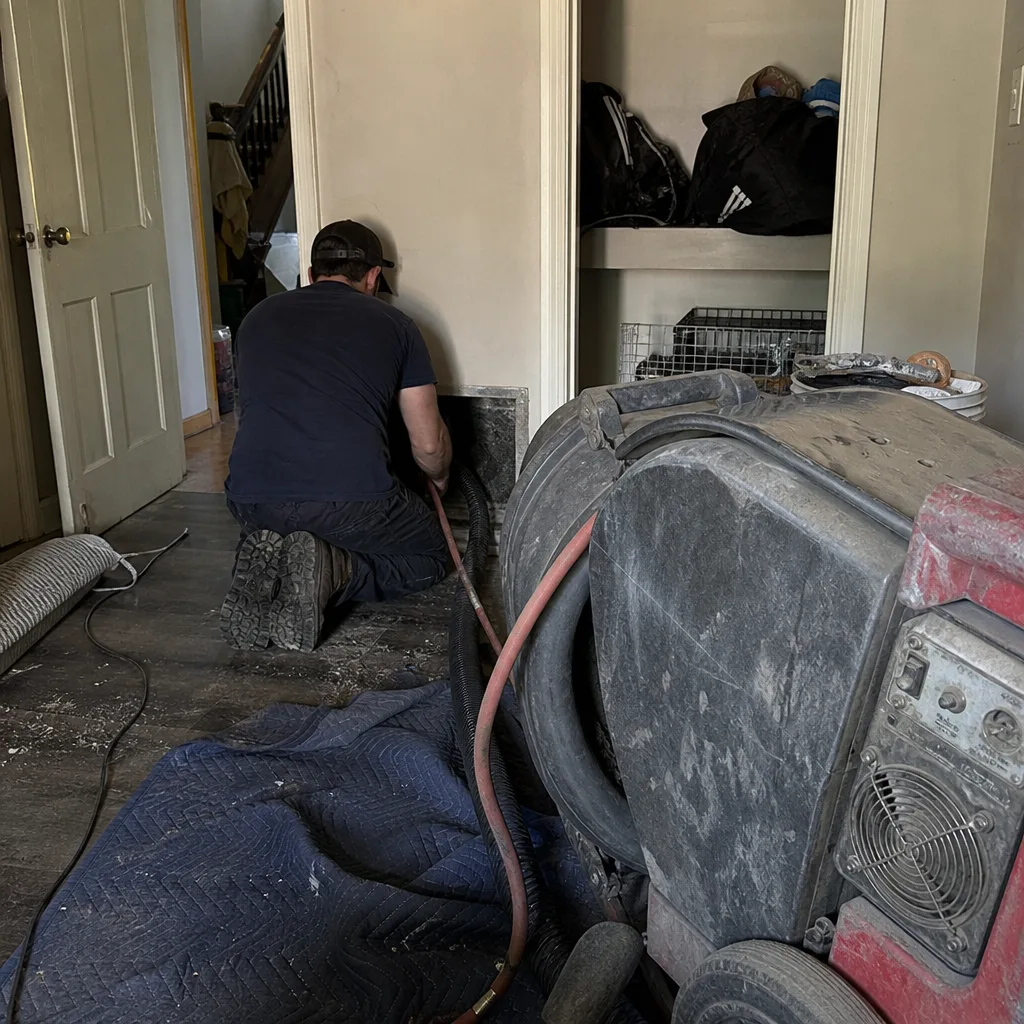 Before
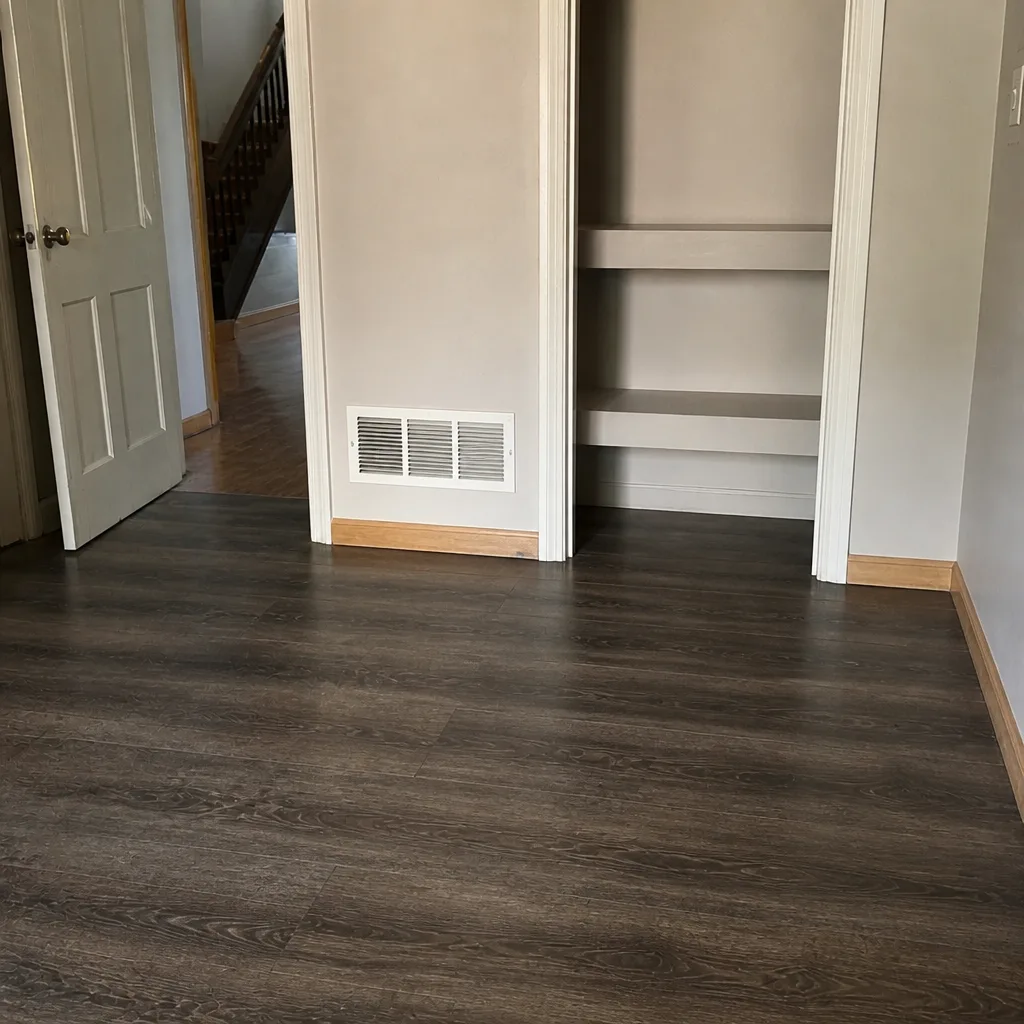 After
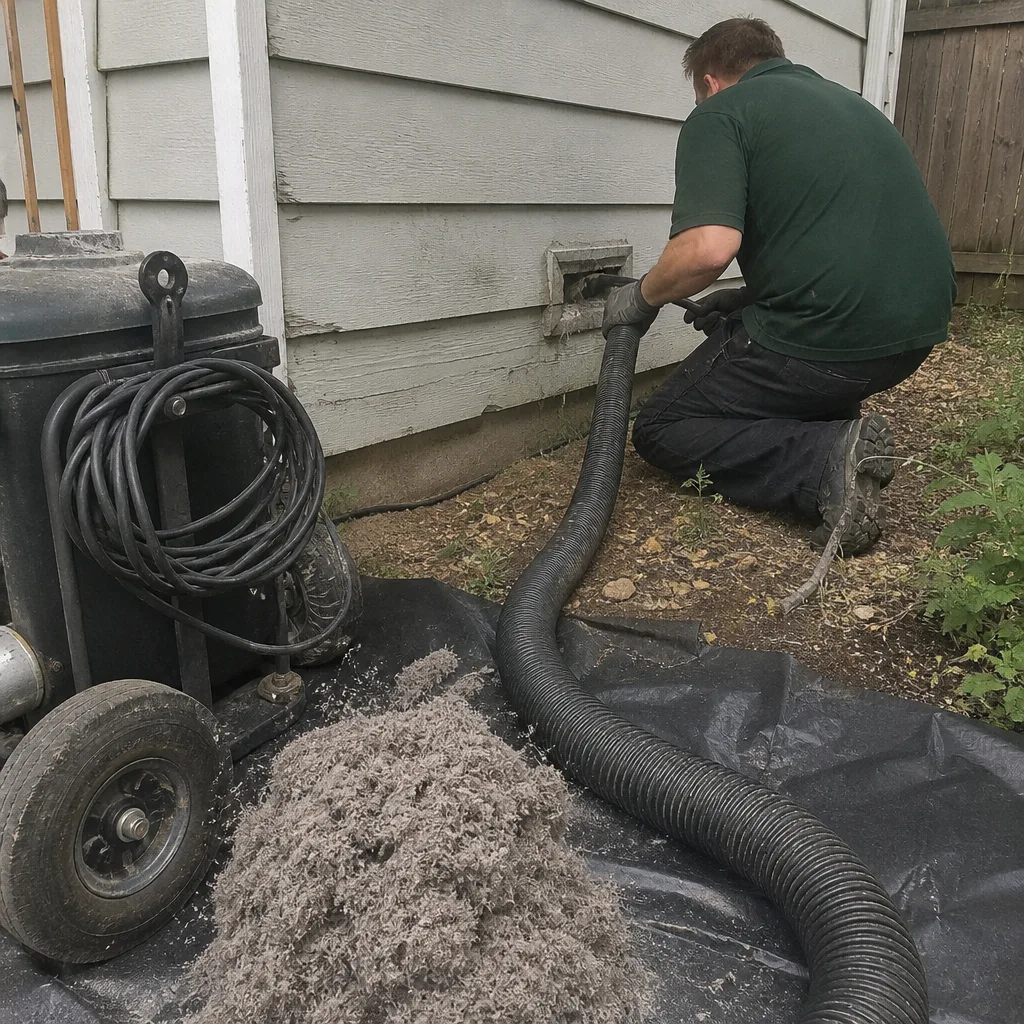 Before
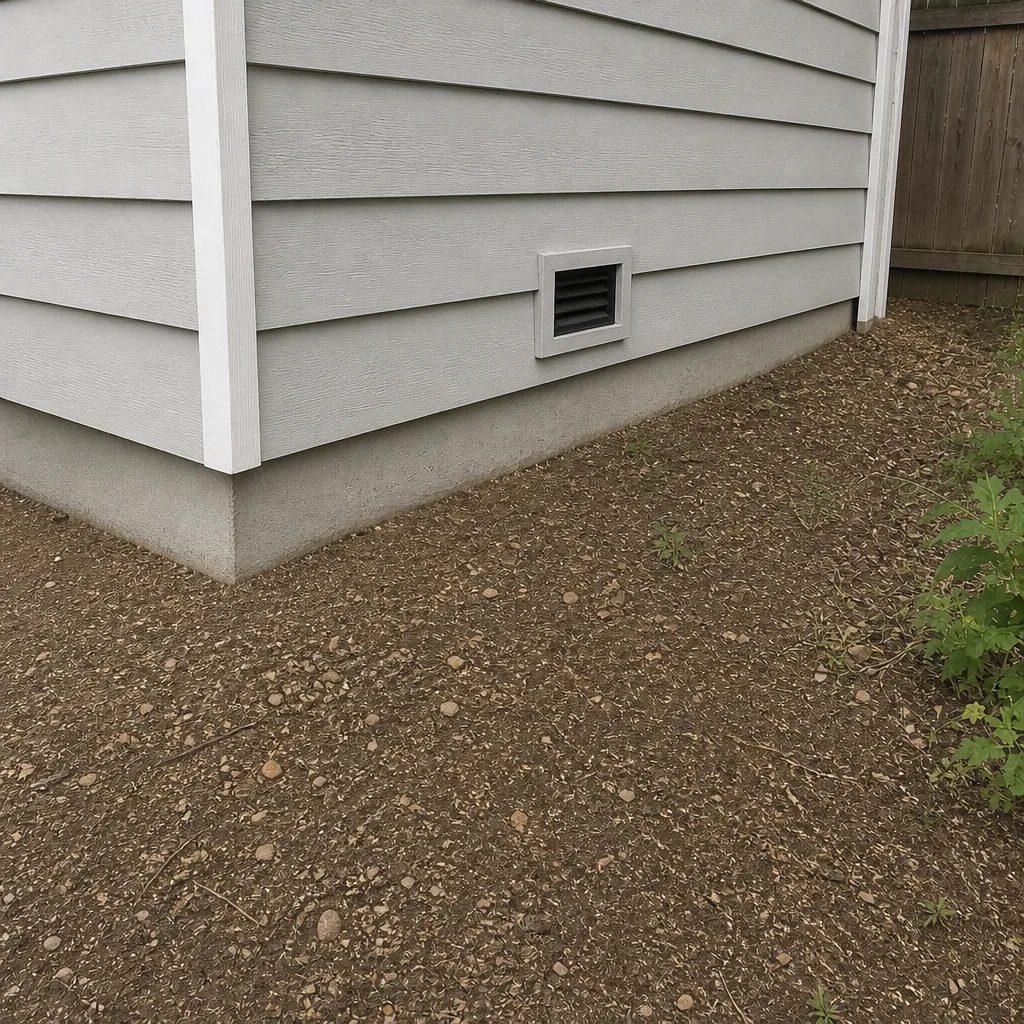 After
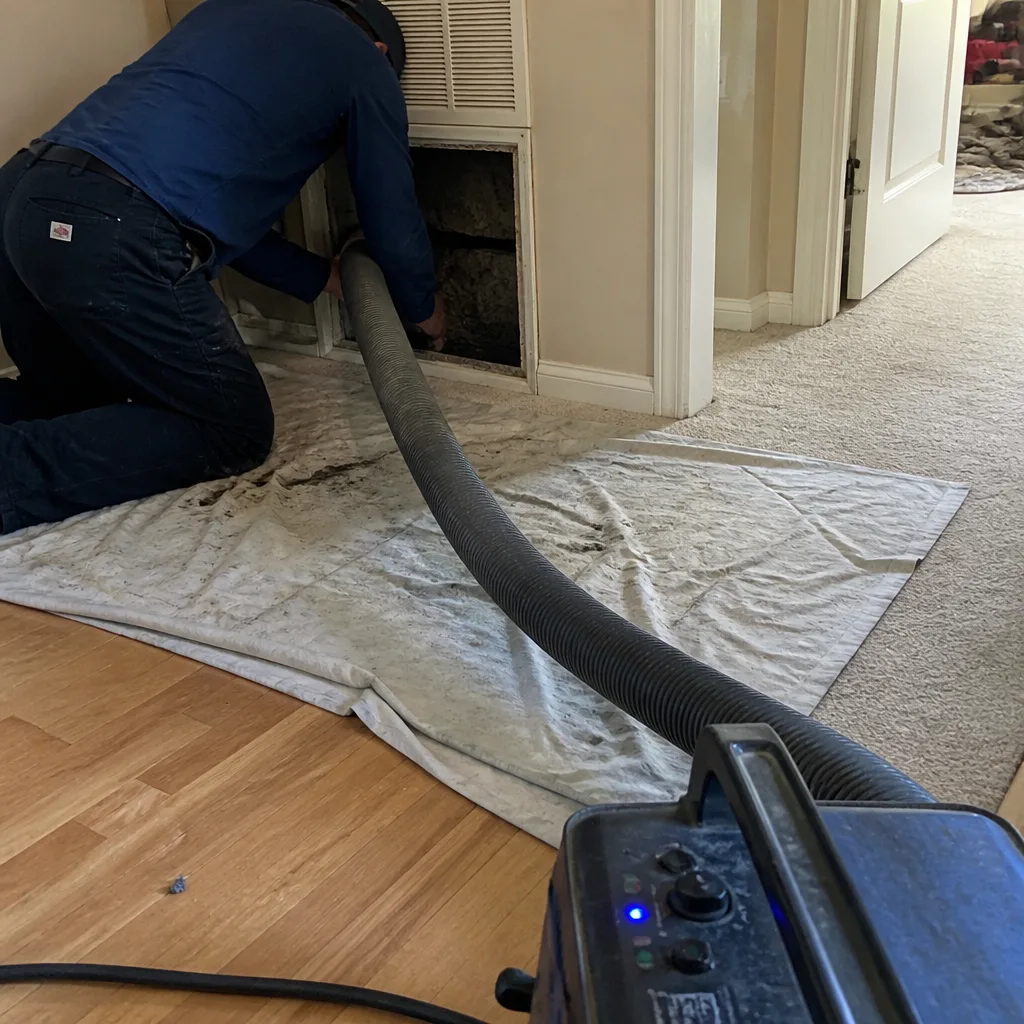 Before
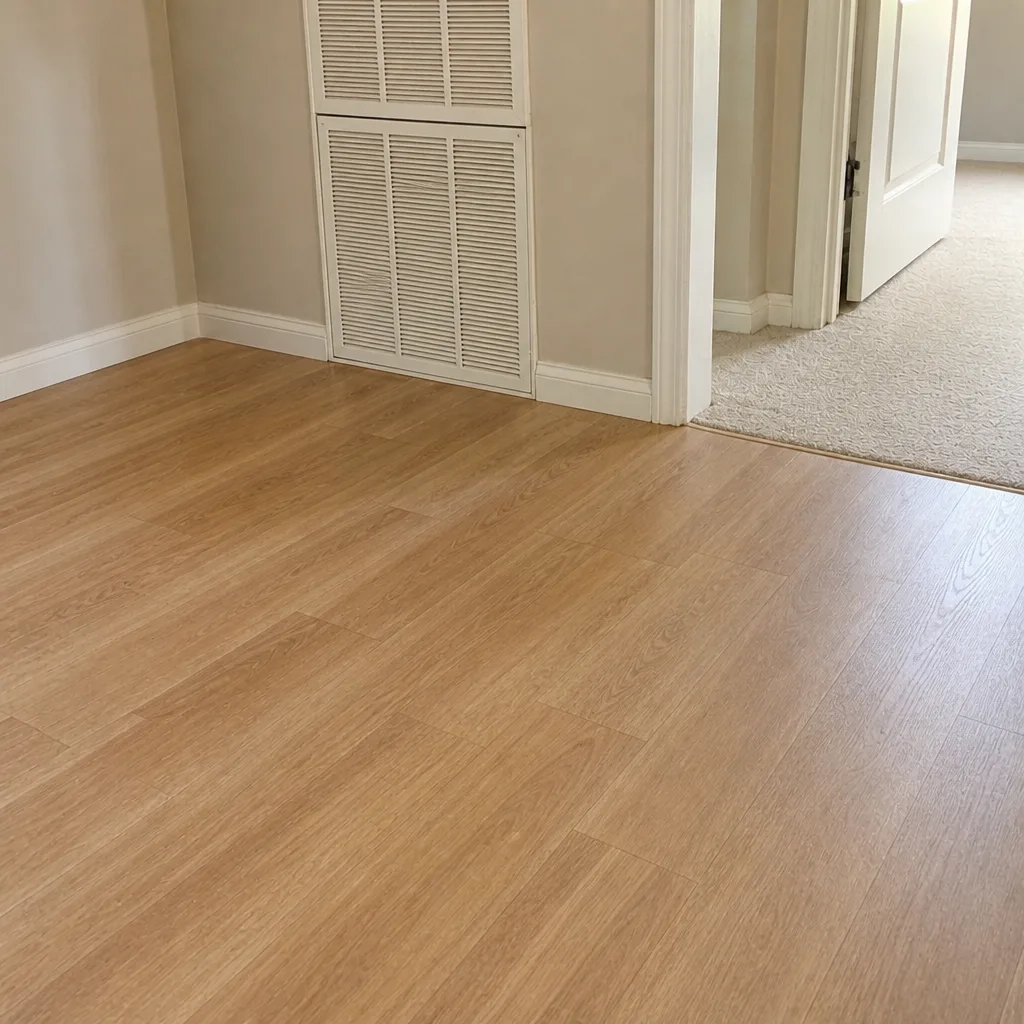 After
When to Call a Professional
Call a professional the moment a duct-emergency event has happened in the house – fire, sewage, rodent, or wildfire – and before the HVAC is turned back on. The list of things you should not do yourself in these situations is longer than the list of things you should: don’t run the system, don’t vacuum the ducts, don’t assume the smell will fade. The correct first step is a professional inspection with a written report, because that report is what your insurer will need and what the cleaning scope will be built from. Our technicians have up to 11 years of experience in post-event duct work in the Puyallup area and use professional-grade equipment (Rotobrush, Nikro, Abatement Technologies) that lets us inspect, clean, and repair the system as one scope rather than three separate visits. Puyallup Air Duct Cleaning Pros offers free estimates in Puyallup – call (855) 658-5273. We answer 24/7. Fast dispatch from 7am to 7pm, Sunday through Friday.
Frequently Asked Questions
Yes, in almost every case. Any fire inside the living space sends combustion byproducts through the return air and into the supply ducts, and the HVAC running during or after the fire pushes soot into rooms the fire never touched. The correct sequence is shut off the HVAC, document the condition, then have the ducts inspected and cleaned before the system is turned back on. Call (855) 658-5273 for an estimate.
Often, yes, but the coverage typically has to be tied to a specific event and supported with a contractor’s duct inspection report. Routine duct cleaning is usually not covered; post-fire and post-sewage cleaning is more often approved. Ask your adjuster directly, and ask them to confirm whether they want a scope of work from the duct contractor. Call (855) 658-5273 for a written inspection report you can send to your insurer.
The clearest sign is a smoke smell in the house that persists several days after the outdoor air has returned to normal. A second sign is a smoky smell that’s strongest in the first few minutes after the heating or cooling comes on. Visible gray film inside the register louvers also points to smoke particle accumulation. If two or more apply, schedule an inspection – call (855) 658-5273 for an estimate.
No. Rodent droppings and dried urine release particles that a standard vacuum sends straight into the room, and the contamination class requires HEPA-filtration extraction equipment and protective gear. The order also matters: pest control and exclusion first, professional duct cleaning and sanitizing second, duct repair where the rodents chewed. Call (855) 658-5273 for the full sequence.
You should not clean the ducts until the standing water is extracted and the structure is dry – but you also should not keep running the HVAC system in the meantime. The right sequence is: stop the HVAC, extract water, dry the structure, then schedule the duct clean and sanitizing. Waiting weeks with a damp duct system makes the problem worse. Call (855) 658-5273 for an estimate once the structure is dry.
Cleaning removes the physical contamination – soot, dust, debris, droppings, nesting material – from the duct interiors. Sanitizing applies a documented antimicrobial treatment to the cleaned surfaces. They’re separate steps and post-emergency work usually needs both. We use Guardsman products in our sanitizing service so the antimicrobial application is documented for your insurance file. Call (855) 658-5273 to schedule both in one visit.
The Bottom Line
Duct emergencies are rare, but when they happen, the first 24 hours decide how much of the house is affected. Shut off the HVAC. Photograph what you can. Save the reports and the timeline. Get a written inspection before anything is turned back on. The cleaning and, where needed, the duct repair and sealing all follow from that. Puyallup homes in the river valley get the wildfire smoke scenario more than most, and the older housing stock in the valley floor has its share of crawlspace rodent intrusions – both worth knowing how to handle before they happen. If an event has already happened in your home, call (855) 658-5273. We answer 24/7. Fast dispatch from 7am to 7pm, Sunday through Friday. Estimates are free, and the price is set per job by the written estimate.
Written by the team at Puyallup Air Duct Cleaning Pros.