
Last updated November 25, 2026
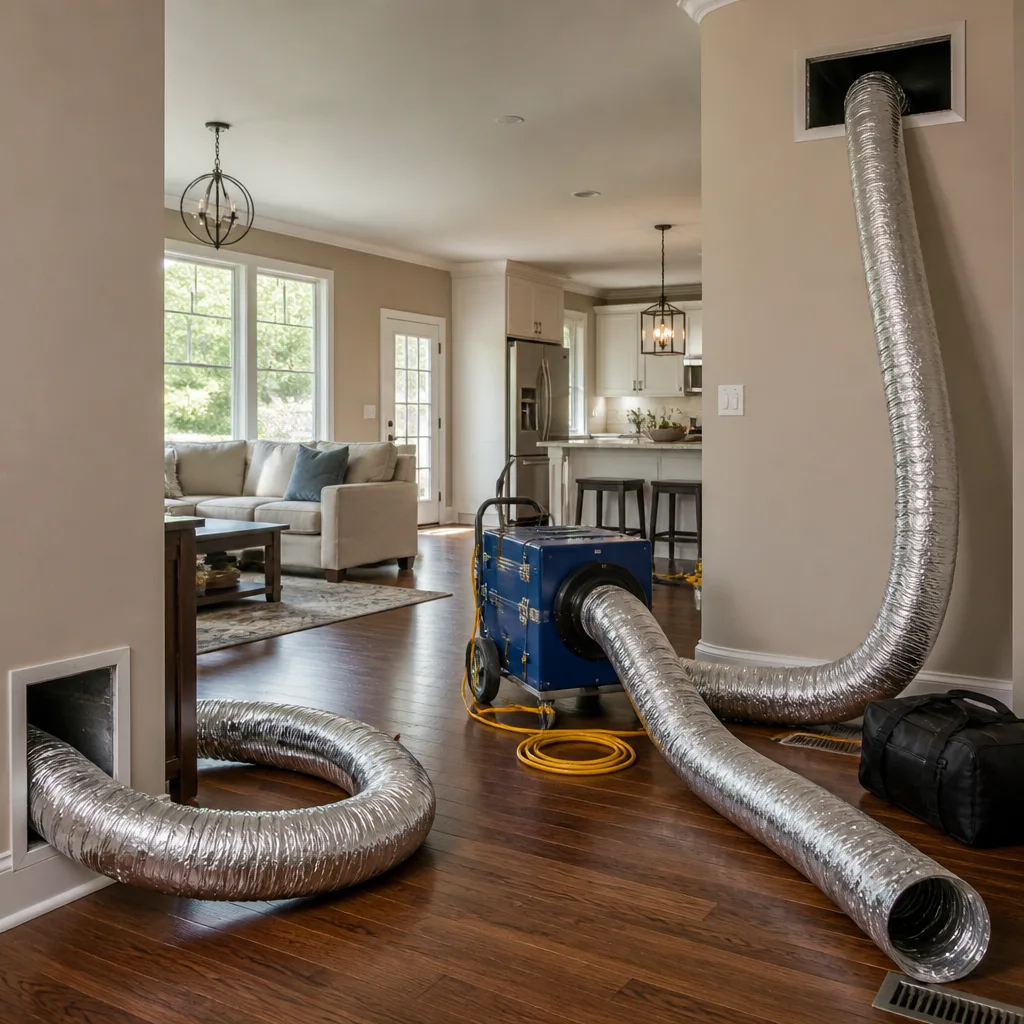 Whole-home duct cleaning
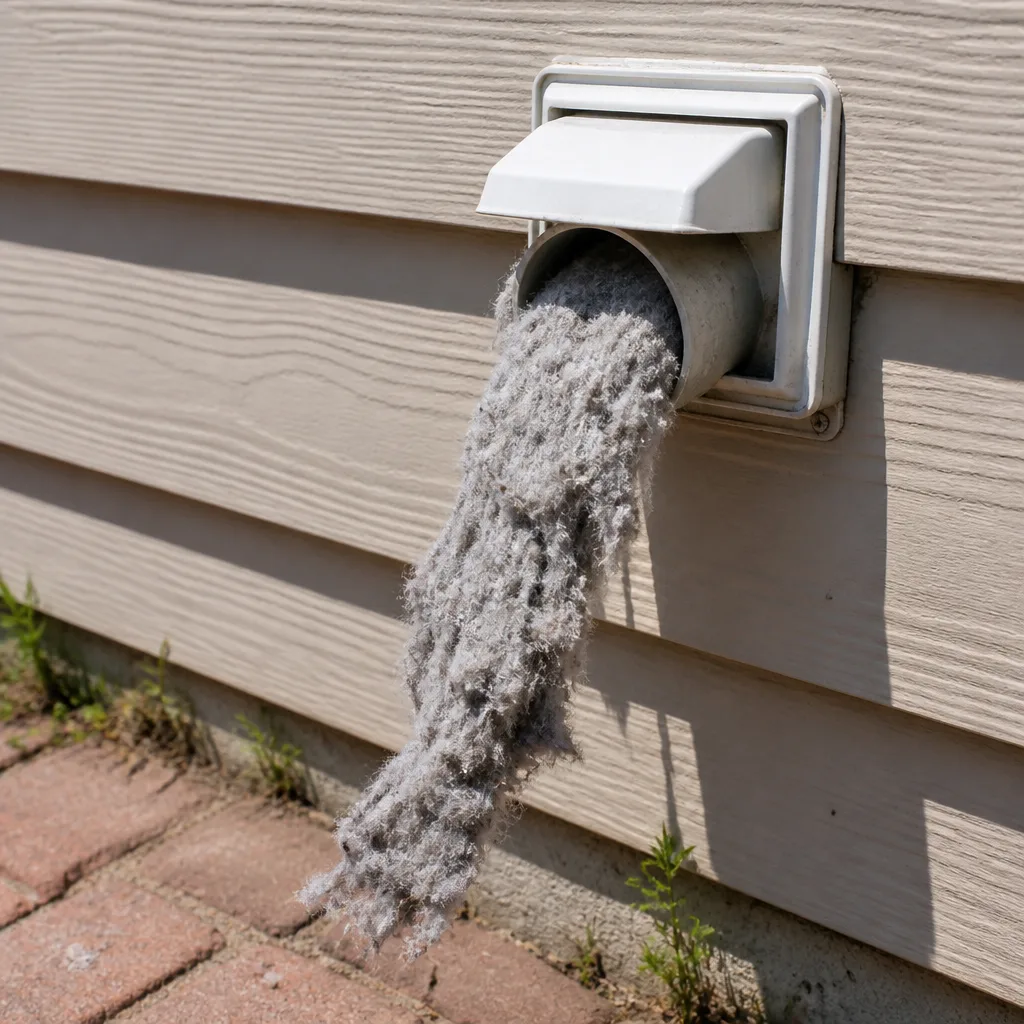 Dryer vent cleaning
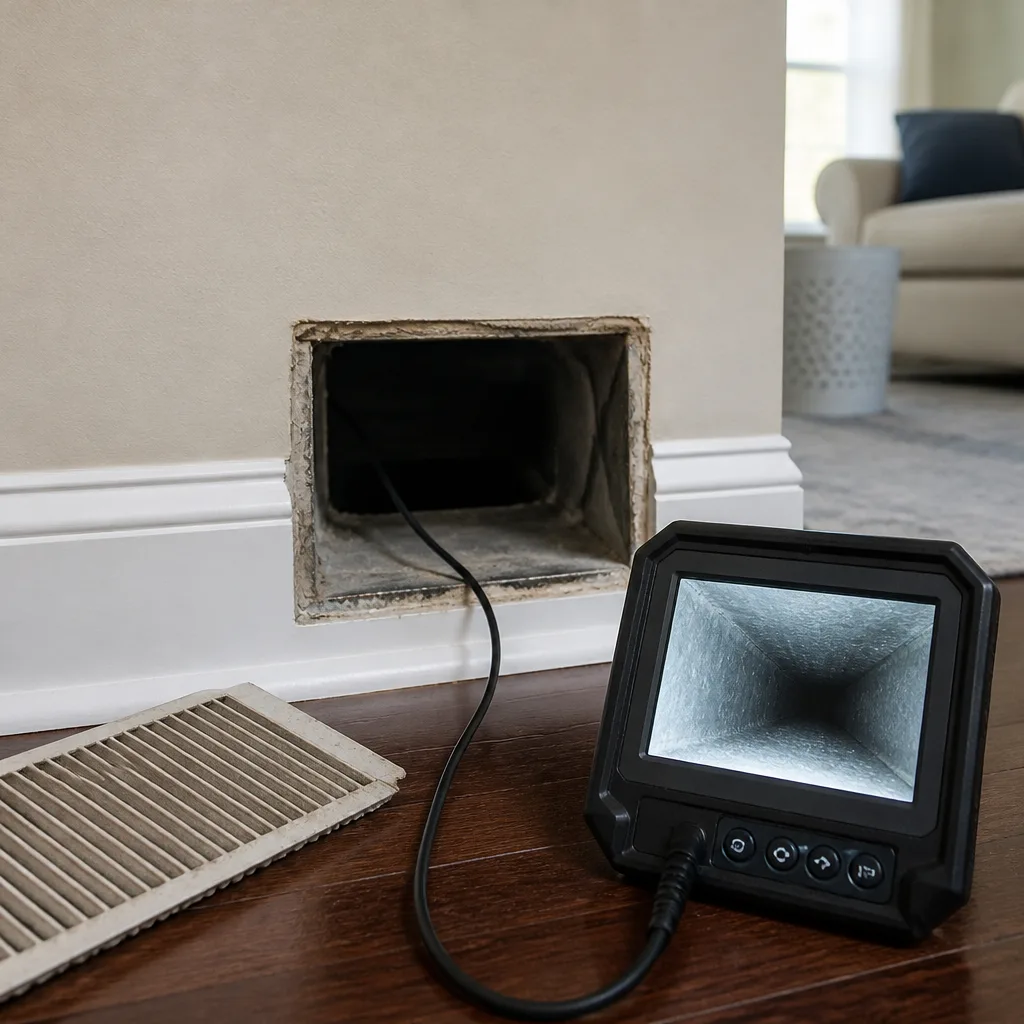 Camera inspection
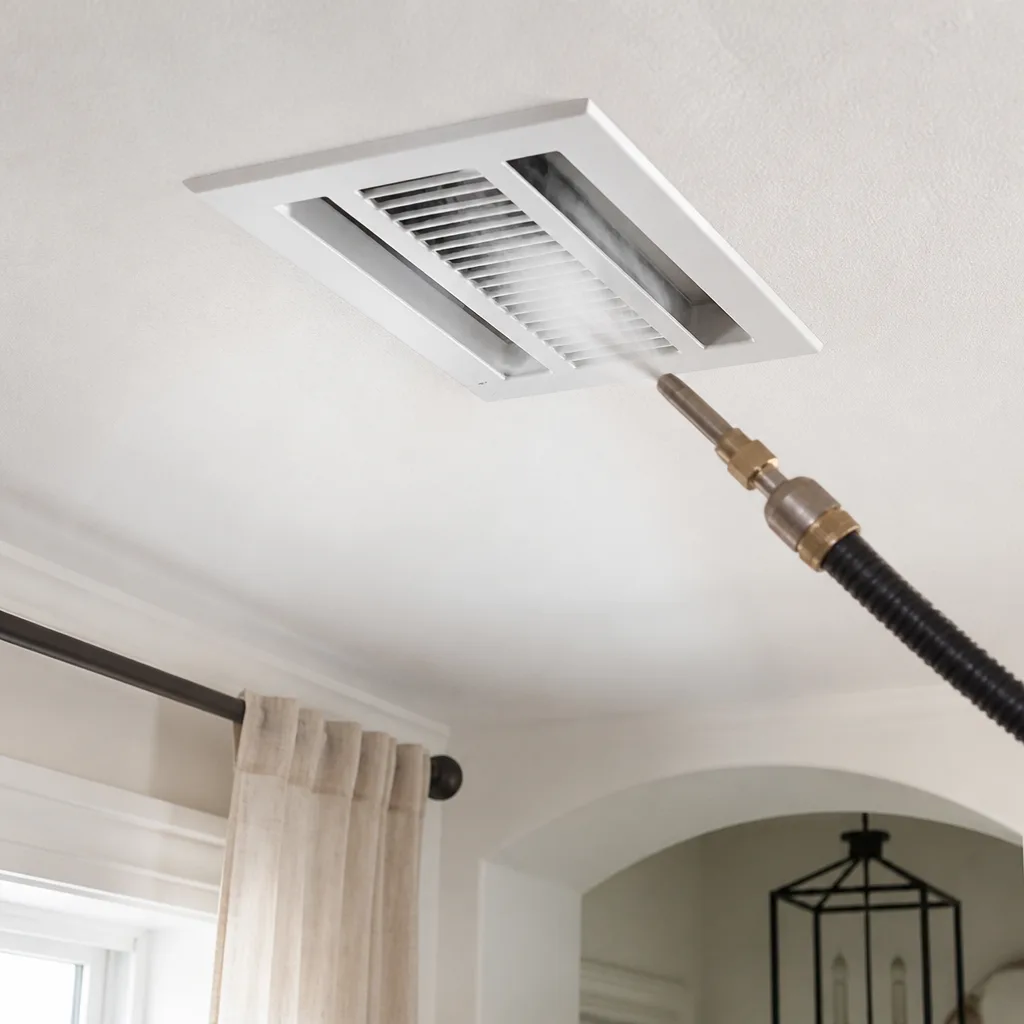 Sanitizing & deodorizing
Whole-system duct and dryer vent check with before-and-after photos - you see exactly what came out of your vents
That "$99 whole-house special" is a bait ad - the real number appears once they are in your hallway, or the "clean" is a shop-vac at the register. We photograph the inside of your ducts before and after instead.
Air Duct Cleaning Warning Signs: A Puyallup Homeowner’s Reference Guide
That musty smell in the first ten minutes of heating isn’t a filter problem. It’s the heat exchanger volatilizing organic debris that settled in the plenum months ago, and no filter change will make it go away. Most duct problems in Puyallup homes signal themselves this way: indirectly, through odor timing, uneven airflow, rising runtime, and a specific pattern of dust that keeps returning to the same register. Reading those signals early is what separates a straightforward cleaning from a remediation project. This guide maps each symptom you’re likely to notice to its probable root cause, explains where the threshold sits between cleaning and remediation, and tells you what to check before you pick up the phone.
Quick Answer
The main warning signs of a duct problem needing attention are recurring odor with a predictable timing pattern (first ten minutes of a cycle, one room only, or only when the fan runs), uneven airflow between rooms, dust that resettles within days on the same surfaces, HVAC short-cycling or longer runtimes, and visible debris or dark streaking at the registers. Most of these point to settled contamination, a disconnected or collapsed duct section, or a leaking trunk line, and all three warrant a professional look before a cleaning quote is even discussed.
Styles & brands we work with
- Whole-home duct cleaning
- Dryer vent cleaning
- Camera inspection
- Sanitizing & deodorizing
Table of Contents
- Odor Patterns as Diagnostic Signals
- Airflow Symptoms and What They Reveal Structurally
- Indoor Dust Behavior as a Contamination Indicator
- HVAC Performance Warning Signs
- Cleaning vs. Remediation: Where the Threshold Sits
- A Room-by-Room Walkthrough for Puyallup Homes
- Dryer Vent Warning Signs You Should Never Ignore
- The Homeowner’s Ten-Minute Self-Check
Odor Patterns as Diagnostic Signals
Smell is the most informative duct symptom you have, and most homeowners misread it. What matters isn’t whether there’s an odor, it’s when and where it shows up. A musty smell that arrives in the first ten minutes of a heating cycle and fades as the system settles is different from a musty smell that builds through the whole cycle. A smell in one room is a different problem from a smell everywhere. Getting the pattern right narrows the cause before anyone opens a panel.
Here’s how the main odor signatures break down:
- Musty, arriving in the first ten minutes, fading after: organic dust and debris settled on the heat exchanger and in the supply plenum. Heat drives off the volatile compounds, then the smell drops as the surface dries. A filter change won’t touch this because the contamination is downstream of the filter.
- Musty, strongest during cooling, present the whole cycle: microbial growth on the evaporator coil, in the drain pan, or on the interior of wet duct lining. Cooling condensate keeps the surface damp, which keeps the smell alive through the entire cycle.
- Sharp, ammonia-like, or distinctly animal: rodent intrusion. Animals nesting or moving through duct runs leave waste and marking odor in specific sections. This is a contamination-control job, not a blow-out.
- Dusty or “old attic” smell throughout: dead biological debris. Settled dust, insects, and material breakdown accumulate on duct interiors and the smell builds with airflow. Common in Puyallup homes with older flex duct in vented attics.
- Chemical or plastic smell when the heat first comes on: not a cleaning issue in most cases. Shut the system down and have it inspected by an HVAC technician.
The geographic and climatic detail matters here. Puyallup sits in a river valley with a wet, mild climate and long stretches of damp weather. Vented attics and crawls stay humid for months, which makes microbial smells far more common here than dry settled-debris smells alone. If your home is older and has flex duct running through a vented attic, the “damp-smell-in-cooling-season” signature is much more likely to be about a wet coil or saturated lining than anything touching the duct interior.
Airflow Symptoms and What They Reveal Structurally
Weak airflow is the second-most-common duct complaint and the most-misdiagnosed. Homeowners assume a blockage, buy a cleaning, and discover the real problem is a collapsed run or a disconnected trunk. Airflow symptoms need to be read structurally, not just as “there’s stuff in there.”
What each airflow pattern usually means:
- Weak airflow in one room, strong everywhere else: a disconnected, crushed, or kinked branch run. Flex duct that’s been stepped on in an attic, pinched by a joist, or pulled loose at a takeoff is the most common cause. Cleaning won’t fix it; reconnecting and resealing will.
- Weak airflow in the farthest rooms, weaker every year: progressive debris buildup in the trunk line plus small leaks at joints. Combined with dust-shedding at registers, this is a cleaning case.
- Weak everywhere, system loud: restricted return. Under-sized or collapsed return ducting starves the whole system. You’d hear it before you’d see it.
- Good airflow for a minute, then nothing: an obstruction that gets sucked against the coil or a return grille, or a fan-related issue. Worth a proper diagnostic.
- Airflow that shifts unpredictably between rooms: pressure imbalance from leaking ducts in unconditioned space. In Puyallup, ducts often run through vented attics and vented crawls, and leaks there pull humid exterior air into the supply system. That alone is a strong reason to schedule HVAC cleaning and a duct pressure check together.
In our experience, the airflow symptoms that turn out to be geometry problems – crushed or disconnected runs – get missed by cleaners who arrive with a machine and leave without looking at the trunk and takeoffs. That’s why duct repair and sealing belongs alongside cleaning rather than after it. When the run is broken, the cleaning is a waste of money.
Indoor Dust Behavior as a Contamination Indicator
Dust always returns. What tells you something is wrong is the pattern and the speed. Dust that reappears on the same surfaces within days, in the same shape, pointing back at a specific register, is being actively delivered by the duct system. Dust that spreads evenly and slowly over weeks is normal household activity.
Specific dust patterns to watch for:
- Dark streaking on and around register louvers: airborne dust and fine particulate being pushed out at volume. The streaks follow the airflow pattern, and they don’t just clean off permanently because the source keeps producing.
- Dust “shadows” or outlines on furniture right below a supply diffuser: the duct is shedding. When the outline refills within a few days, that’s an active shedding pattern rather than general household dust.
- Dust concentrated on one wall, one side of the room, or one piece of furniture near a specific register: a local contamination source or leakage point in the duct section feeding that register.
- White or light-gray film that returns after cleaning: drywall dust from remodeling that moved into the ducts is a common cause in Puyallup homes that have been renovated. Cleaning cycles it out; leaving it recirculates it.
- Black or soot-like deposits on registers: combustion byproducts or carbon. Get this looked at by an HVAC technician first, not a duct cleaner.
If you want to see what’s actually moving through your air, tape a clean white cloth over a supply register and leave it through a few full heating cycles. Whatever lands on it – gray, brown, black, fuzzy, or oily – tells you what’s being carried. That’s a diagnostic signal you can show a technician and get a straight answer about scope.
HVAC Performance Warning Signs
Your furnace and air conditioner are the most reliable diagnostic tool you own, because duct contamination shows up downstream as system behavior long before it shows up as visible mess. The symptoms below are worth writing down and tracking over a couple of weeks – the pattern tells more than a single observation.
- Short-cycling (system runs short, frequent bursts): restricted airflow forces the system to satisfy the thermostat quickly in some rooms and never in others, or trips safety limits on the heat side. Repeated short-cycling is a system-health and duct-health signal.
- Uneven room temperatures: supply rooms run hotter or colder than others by more than about two degrees on a consistent basis. Leaking ducts in unconditioned space, blocked runs, or an imbalanced supply is the usual structural cause.
- Increased runtime: the same thermostat setting, the same weather, and the system runs noticeably longer than last season. Debris buildup plus small leaks reduce effective delivered capacity.
- Rising energy use without a rate change: the system is working harder to deliver the same comfort. Track a full season before assuming the cause; then have ducts inspected.
- Blower or fan noise that’s louder than it used to be: restricted duct cross-section makes airflow louder as it passes.
- Tripped high-limit switch or repeated circuit trips: stop running the system and get a technician out. Duct restrictions are one possible cause, but not the only one.
If two or more of these show up together, the ducts are a strong candidate for inspection. In our experience the combination of uneven room temps plus a rising runtime is the pattern that most often turns out to be a genuine duct problem rather than a thermostat or equipment issue. Cleaner air starts in the ducts, but system efficiency story lives there too.
Cleaning vs. Remediation: Where the Threshold Sits
Not every problem is a cleaning job, and not every cleaning job is big enough to be remediation. Getting this distinction right matters because it determines scope, equipment, timeline, and price. Cleaning is mechanical agitation and extraction of settled contamination. Remediation is contamination control: containment, filtration, antimicrobial treatment where appropriate, and often repair of the surfaces the contamination has damaged.
Signs that fall on the cleaning side of the line:
- Visible dust and debris at registers and inside accessible duct runs.
- Odor that responds to removal of settled dust and a coil cleaning.
- Dust-shedding at registers that stops after mechanical cleaning and extraction.
- No moisture damage, no visible mold growth on duct surfaces, no pest activity.
Signs that cross into remediation territory:
- Visible mold growth on duct interior surfaces or wet duct lining, or persistent musty odor after cleaning.
- Water intrusion history – wet attic ductwork, a flooded crawl, an evaporator pan overflow. Puyallup’s long damp stretches make this a recurring local factor in older homes.
- Rodent or insect activity inside the ducts. Contamination from animals requires more than cleaning – it requires disinfection and often replacement of porous sections.
- Porous duct material (fiberglass-lined or internal duct board) that’s been wet.
- Damaged or disconnected duct sections where the cleaning has to be scheduled with repair, not before it.
When remediation is warranted, professional air filtration during service matters. We use Abatement Technologies equipment on-site because airborne contamination during work can cross-contaminate the rest of the home if it isn’t managed. The difference between a proper remediation job and a quick blow-out is not the machine – it’s whether the contamination stays contained while it’s removed.
If remediation includes treatment of the cleaned surfaces, look for documented antimicrobial products. Our sanitizing service incorporates Guardsman-brand products, and the point of naming a brand is that you know what’s being applied. Any cleaner who can’t tell you the product they plan to use, and why, is a cleaner to pass on.
A Room-by-Room Walkthrough for Puyallup Homes
Homes built in the Puyallup valley span a wide range of eras and construction styles, and the room layouts tell you where symptoms are most likely to appear first. A quick walkthrough takes a few minutes and is worth doing once per season.
- Hallway and primary bedroom registers: check louver surfaces for dark streaking and confirm you can actually feel airflow at the distance your hand expects. Uneven temperature between these rooms and the thermostat room is the classic imbalance sign.
- Kitchen return: check the return grille for grease film and dust accumulation. Cooking particulates settle on return-path interiors; in homes that cook heavily, the return path accumulates more than anywhere else in the system.
- Bathroom ceiling registers: confirm there’s no staining or sat-through. Bath fans tired of pulling their share send moisture into the supply side.
- Basement or crawlspace supply and trunk: visually inspect duct runs for pinched or disconnected flex. In older Puyallup homes with vented crawls this is the most common place for disconnected runs.
- Attic run visibility (from the access hatch): look at the trunk and visible branches. Sagging flex duct, kinks, or runs sitting on the insulation all reduce airflow and trap debris.
- Laundry room dryer vent: check the outside termination for lint accumulation and confirm the vent flap moves freely. Dryer vents get viewed as an appliance issue; they’re a fire and air quality issue in the same system story.
Any single observation might be a false alarm. Two or three together, or one recurring across the same season year after year, tips the scale toward a professional assessment. For a full walkthrough of the system itself, our air duct cleaning page lays out what a proper inspection and cleaning involves.
Dryer Vent Warning Signs You Should Never Ignore
Dryer duct is talked about as an appliance problem, but the vent itself is part of your home’s duct system and its failure mode is fire. The signs are simpler than HVAC duct signs, and that’s the point – they’re easy to spot and easy to ignore.
- Clothes take noticeably longer than they used to on the same cycle and load size.
- The dryer body or the top of the dryer feels hot to the touch during a normal run.
- The laundry room feels humid after a cycle, or the walls and ceiling collect moisture.
- No visible airflow at the outside termination when the dryer runs, or the flap barely moves.
- Lint accumulating around the dryer base, behind the unit, or anywhere along the vent path.
- A burning or scorched smell at any point. Stop using the dryer and get the vent inspected before the next cycle.
Dryer vent cleaning is a standalone safety service, not a step to fold into an HVAC cleaning visit. We treat it as its own service because it has its own risk profile, its own inspection needs, and its own timing. If you can’t remember the last time the vent was cleaned, it’s due. Details on scope and inspection are on our dryer vent cleaning page.
The Homeowner’s Ten-Minute Self-Check
Before calling a professional, run this check. It takes about ten minutes with a flashlight, a pad of paper, and nothing else. It will tell you roughly where you stand and give the technician useful information on the first call.
- Turn the thermostat fan to “on” and walk every room. Note which registers have strong, weak, or no airflow.
- Note any temperature difference greater than about two degrees between rooms after 15 minutes of runtime.
- Look at every register louver for streaking, soot, or fuzzy growth and write down which rooms have which pattern.
- Smell check: turn the heat on and sniff near a supply register at minute one, minute five, and minute fifteen. Note when the smell is strongest.
- Check the return grille for dust load and any odor signature.
- Take the HVAC filter out and hold it up to a light. If it’s near-opaque in less than the manufacturer’s recommended interval, your system is moving more particulate than it should.
- Look at the outside dryer vent flap while the dryer runs. If it doesn’t move, that vent is restricted.
- Write down the filter change history and the last time the system’s runtime felt normal. The pattern is the signal.
Two or more “yes” answers across this checklist is your cue to schedule a professional inspection rather than another round of filter changes. For a broader view of what the full system involves, see our main page at Puyallup Air Duct Cleaning Pros.
Common Mistakes to Avoid
- Chasing filters instead of diagnosing the system. Changing filters more often won’t fix odor from the plenum, a wet coil, or a disconnected run. Filters capture what reaches them; they don’t clean what’s already inside.
- Booking a cleaning without asking about the trunk line and takeoffs. In Puyallup homes with vented crawls and vented attics, disconnected and crushed runs are common. If the quote doesn’t mention inspecting them, you may end up paying for a cleaning that doesn’t mention the actual cause.
- Ignoring odor timing. “It smells a little musty” tells the technician nothing. “Musty in the first ten minutes of heat and gone by twenty” tells them a lot. Write the pattern down.
- Treating a rodent smell as a cleaning problem. Animal waste in ducts calls for contamination control, disinfection, and often replacement of porous sections. A standard cleaning is not the right scope and won’t resolve the smell.
- Choosing a quote by the number of vents rather than what’s being done. Per-vent pricing tells you nothing about containment, filtration, repair, or what happens if the technician finds something.
- Skipping the dryer vent because “the dryer still works.” The vent can be badly restricted while the dryer still runs. That’s the pattern in most serious lint-blocked vents.
- Cleaning the ducts and then leaving leaks alone. Leaking or disconnected ducts in unconditioned space pull humid exterior air into the supply system each season. Seal the duct, then clean it – otherwise the contamination comes back.
See the difference
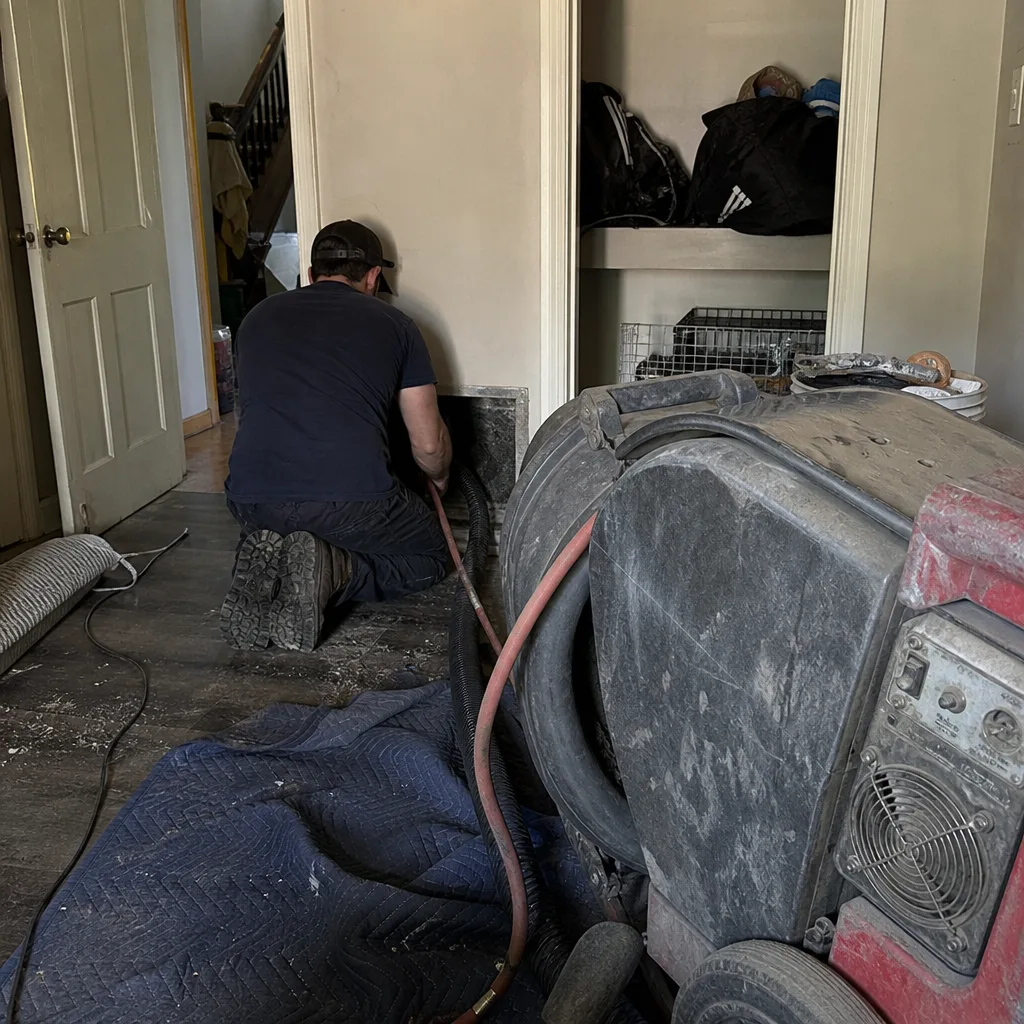 Before
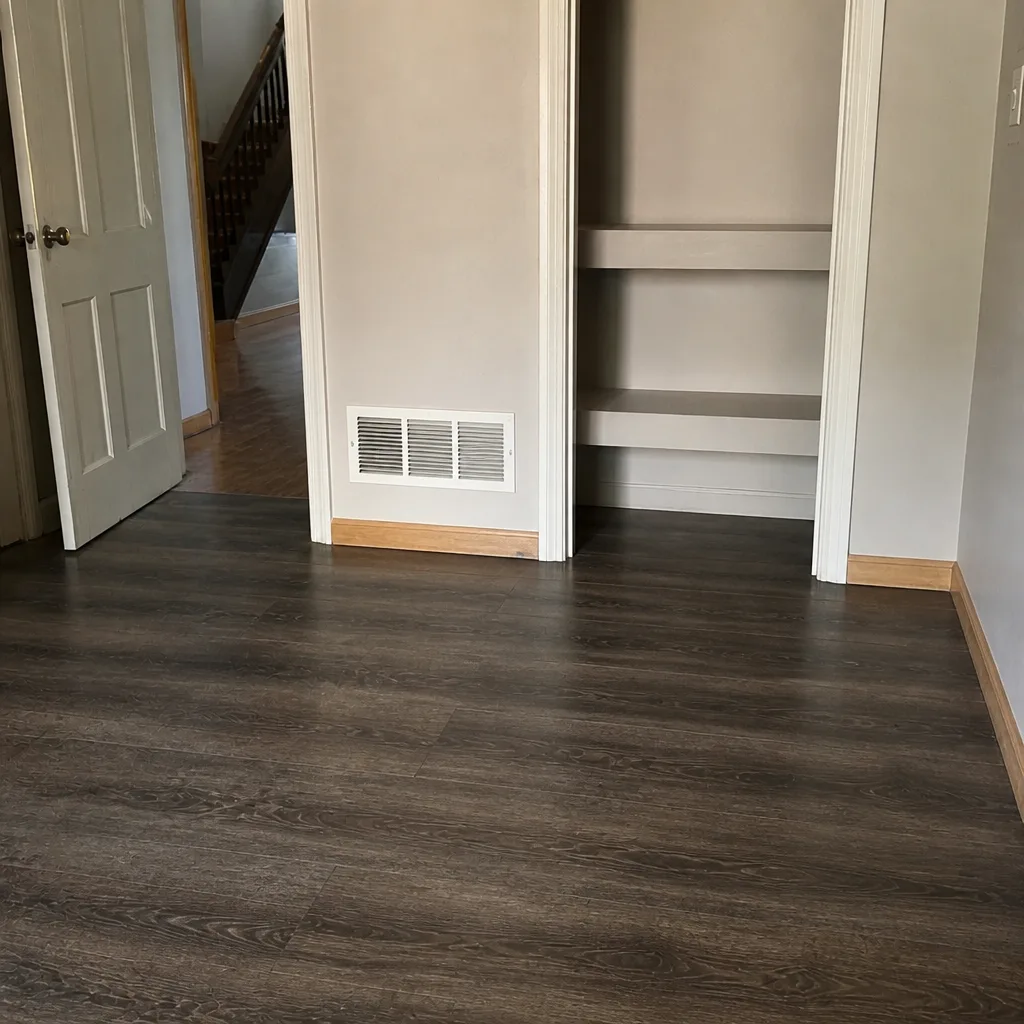 After
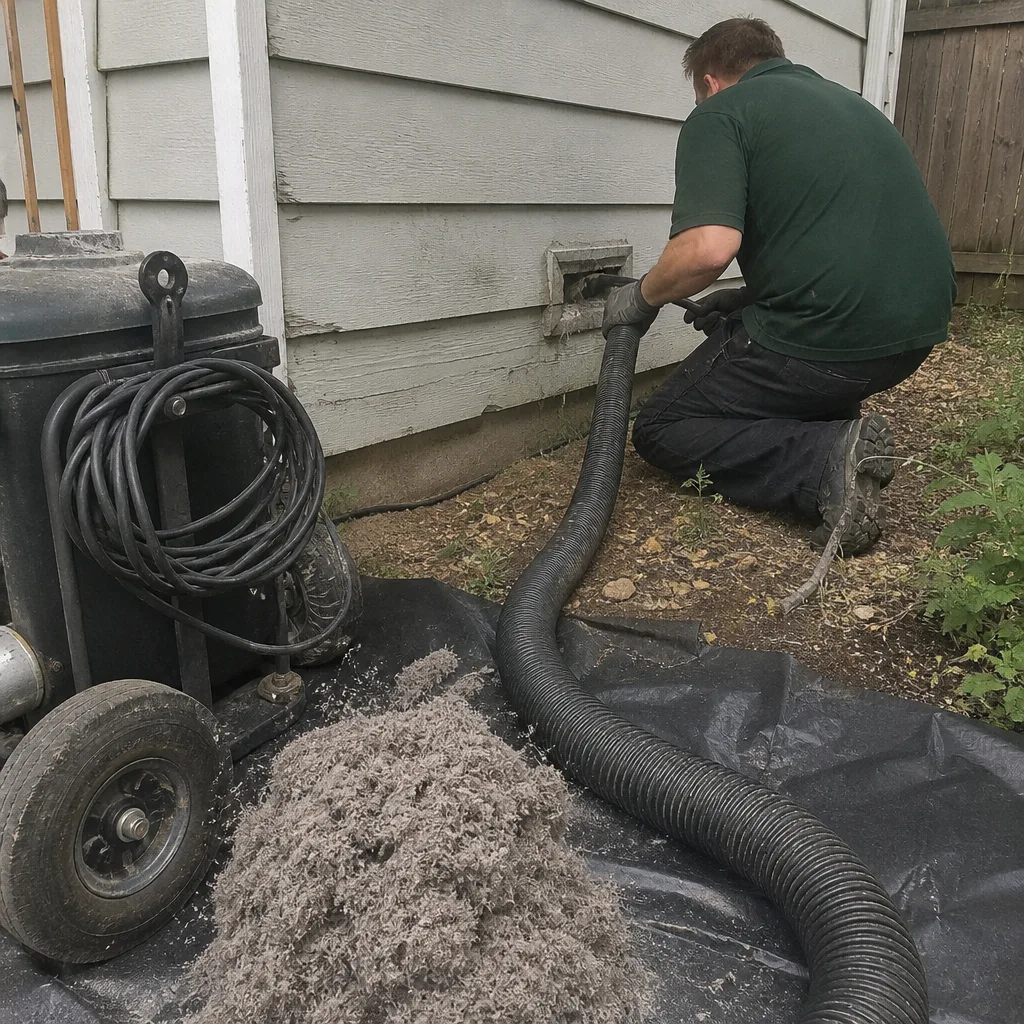 Before
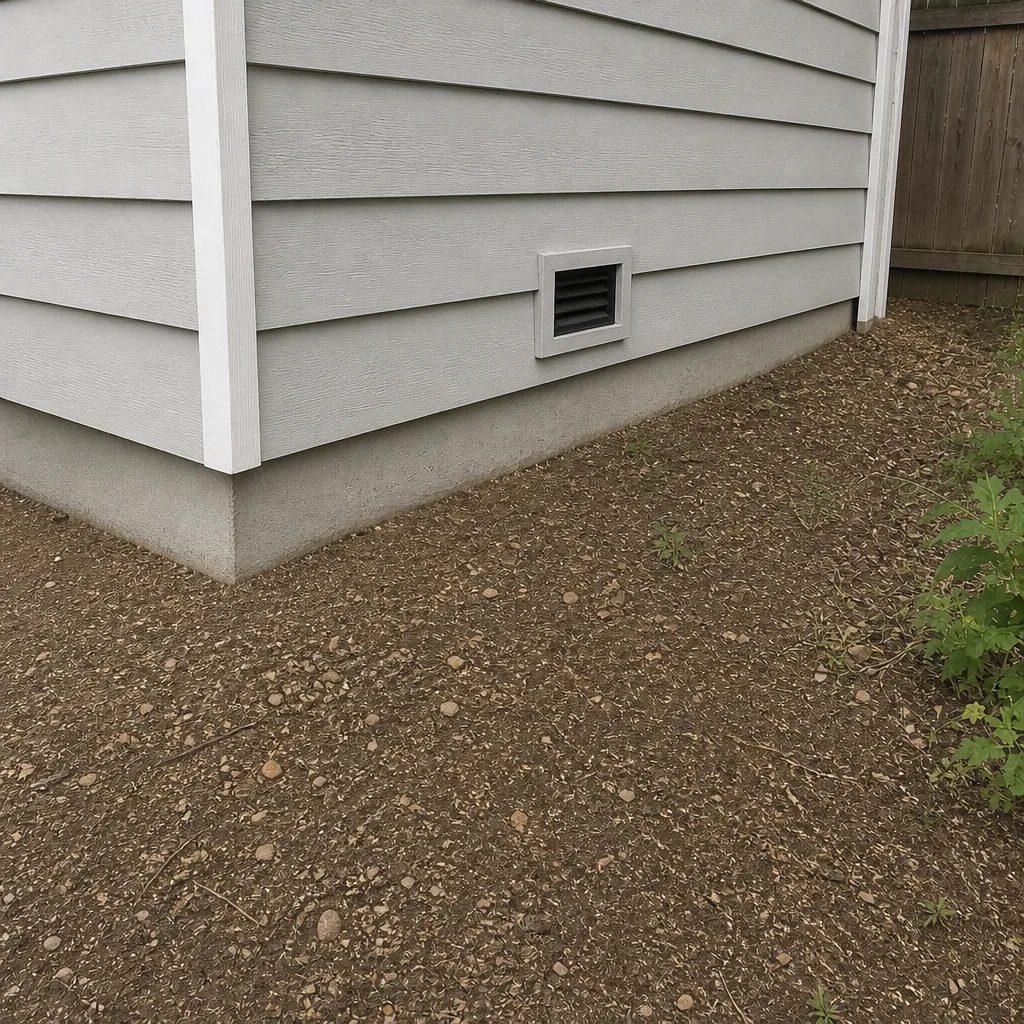 After
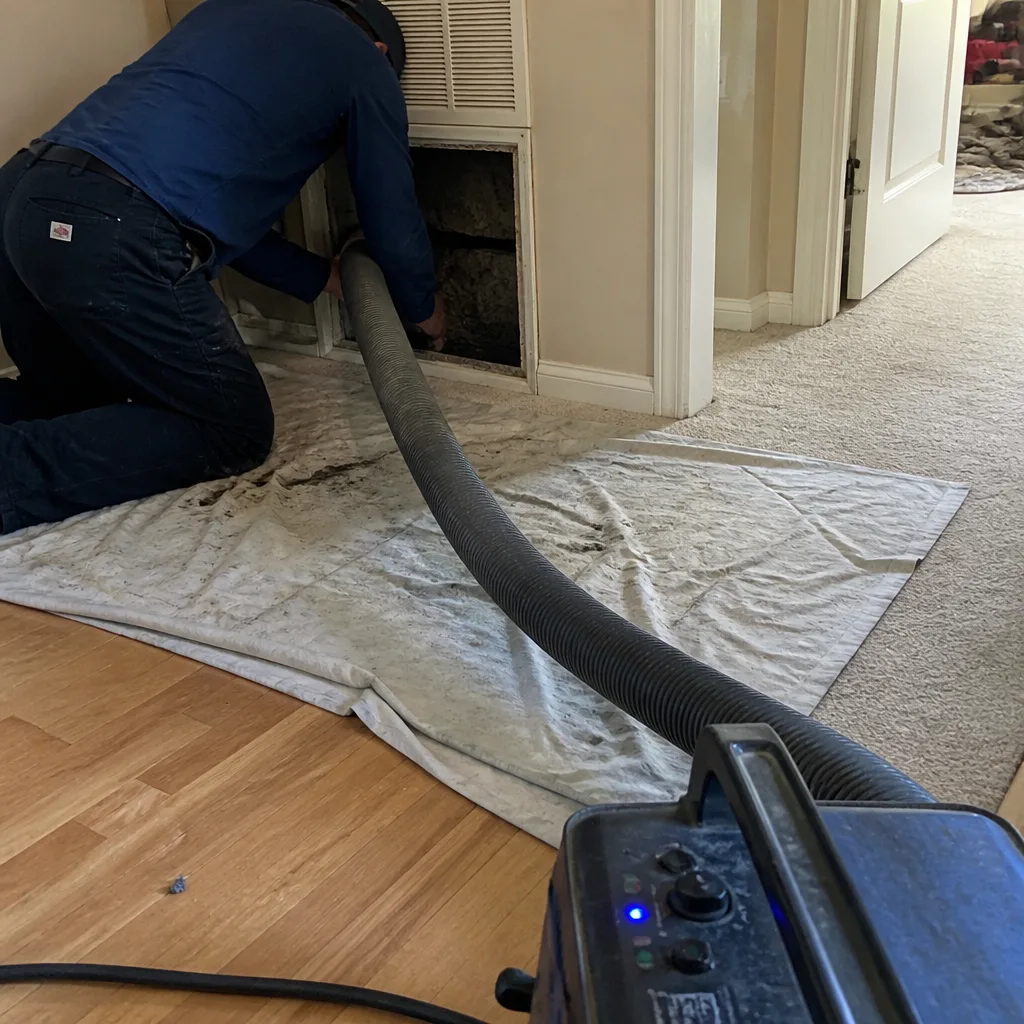 Before
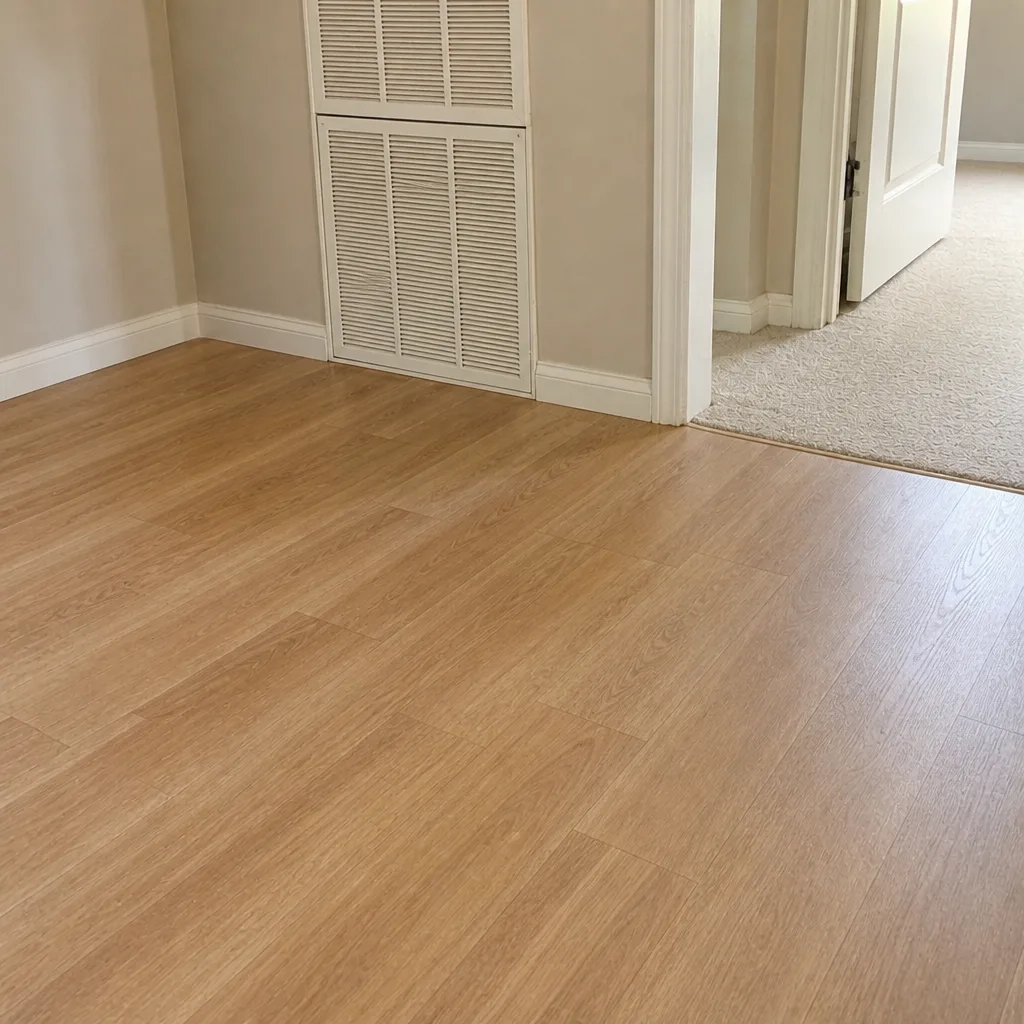 After
When to Call a Professional
Call a professional when two or more of the warning signs in this guide show up at the same time, when an odor has a predictable timing pattern, when airflow is weak in specific rooms, when registers are streaking or dust is resettling in the same shape within days, when the HVAC system runs longer or short-cycles without a weather explanation, or when the dryer vent flap doesn’t move during a cycle. Call sooner if you smell rodent activity, see visible growth at a register, or have a water intrusion history in the ducts. And call before replacing a filter “one more time” if the problem has already survived three filter changes.
Puyallup Air Duct Cleaning Pros offers free estimates in Puyallup. Call (855) 658-5273. We answer 24/7. Fast dispatch from 7am to 7pm, Sunday through Friday. Our technicians have up to 11 years of experience, and we bring Rotobrush and Nikro systems on every cleaning – contractor-grade agitation and extraction, not a shop-vac setup. One flat price per system is agreed before work starts, and you get before-and-after photos of your own ducts. The local pro we connect you with is licensed and insured as the state requires.
Frequently Asked Questions
Every two to three years is a reasonable general rhythm for a typical Puyallup home, but the real answer is symptom-based rather than calendar-based. A home with pets, recent renovations, a vented crawl, or a damp attic will need it sooner; a newer home with sealed ducts and a good filter routine may go longer. Let the signs in this guide drive the timing, and call (855) 658-5273 for a free estimate when two or more show up together.
Cheaper quotes usually price per vent and skip trunk lines, containment, and filtration. The work is quick, the price is low, and the contamination that was in the trunk is still in the trunk when the technician leaves. A proper job prices the whole system by a written estimate agreed before work starts. Call (855) 658-5273 for an honest quote on the full system.
Ask for before-and-after photos of your own ducts, not stock photos. Photos of the trunk line and at least one accessible branch are the evidence that matters. A written scope of what was cleaned, plus photos, is what you should expect. Call (855) 658-5273 for an estimate that includes photo documentation.
Cleaning removes settled dust and debris from a dry system. Remediation handles microbial growth, rodent contamination, or wet duct material, and requires containment, filtration, and often repair or replacement of the affected duct section. The threshold sits at moisture, visible growth, or animal activity. Remediation is a larger scope, so the price reflects the equipment and containment work. Call (855) 658-5273 to get the scope sorted out before you book.
That pattern usually points to settled organic debris on the heat exchanger or in the supply plenum, driven off by heat as the cycle starts and gone once the surface dries. A filter change won’t fix it. Cleaning the heat exchanger and plenum does. Call (855) 658-5273 to schedule an inspection.
We diagnose and repair leaking or damaged ductwork alongside the cleaning, so a disconnected or crushed run gets fixed rather than blown out and left. That matters in Puyallup homes with attics and crawls where runs get pinched over the years. Call (855) 658-5273 for a free estimate that covers both.
It can help when the ducts are actively shedding dust, mold spores, or pest debris into the living space. It can’t fix an unrelated underlying cause like an undiagnosed moisture problem. The right sequence is diagnose, clean, and address the moisture source with sealing or ventilation. Call (855) 658-5273 to start with a free estimate.
The Bottom Line
Duct problems in Puyallup homes announce themselves through patterns, not single symptoms. Odor timing tells you whether you’re looking at settled debris or active microbial growth. Airflow that’s weak in one room tells you a run is crushed or disconnected; weak everywhere means a restricted return. Dust that resettles in the same shape within days means the system is actively delivering it. Rising runtime and uneven room temperatures are the downstream signals that pull the whole picture together. Read the pattern, decide whether you’re looking at cleaning or remediation, then call a professional who prices the full system by written estimate and shows you the before-and-after photos. That’s the difference between a cleaning and a fix.
To get your system assessed and cleaned properly, call Puyallup Air Duct Cleaning Pros at (855) 658-5273. We answer 24/7. Fast dispatch from 7am to 7pm, Sunday through Friday. Free estimates, one flat price per system agreed before work starts, before-and-after photos of your own ducts, and satisfaction guaranteed.
Written by the team at Puyallup Air Duct Cleaning Pros.