
Last updated November 25, 2026
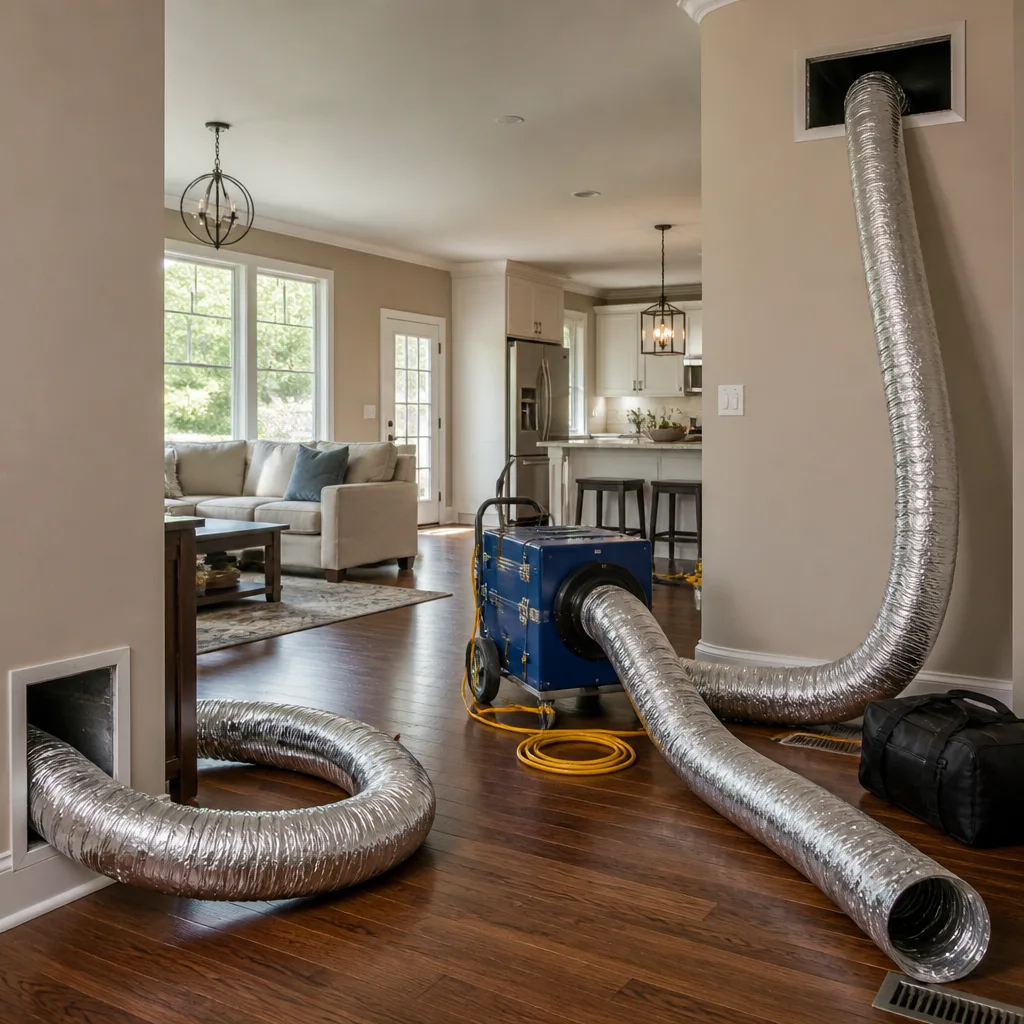 Whole-home duct cleaning
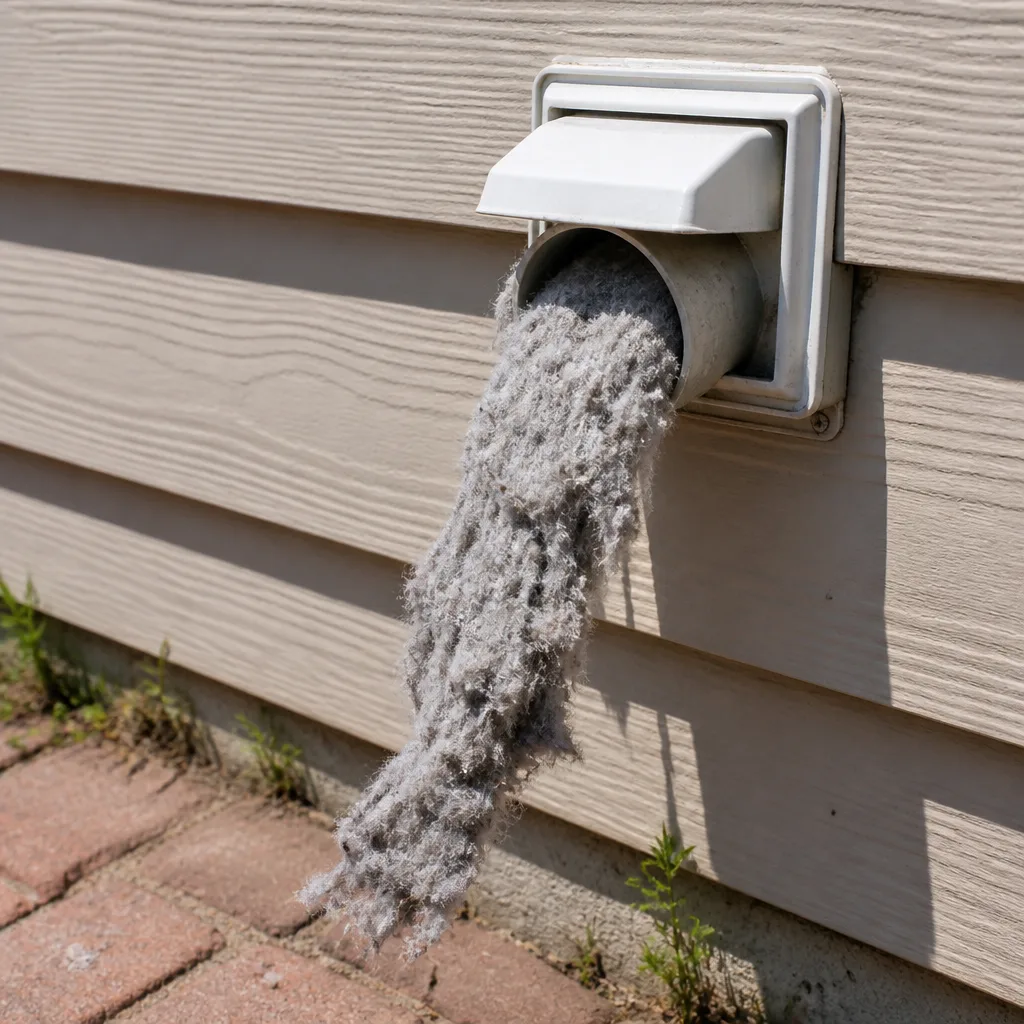 Dryer vent cleaning
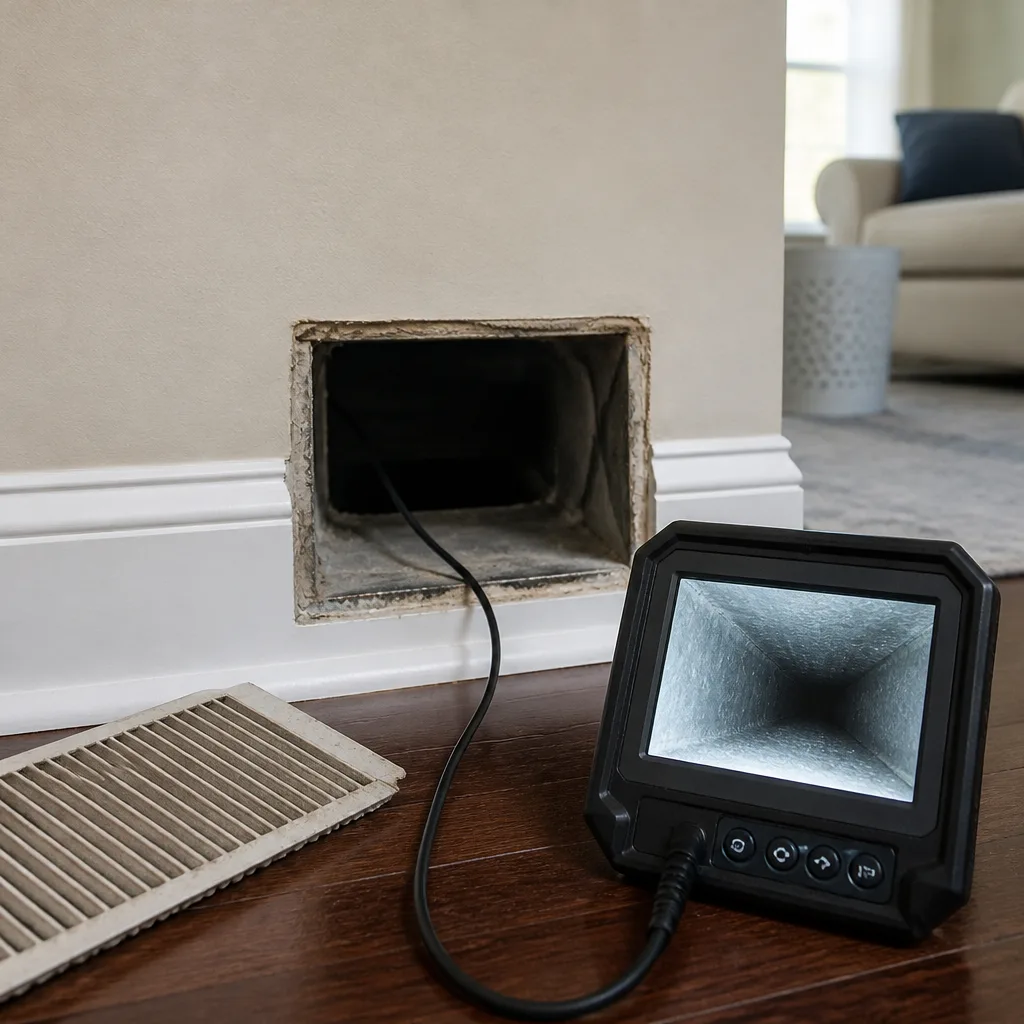 Camera inspection
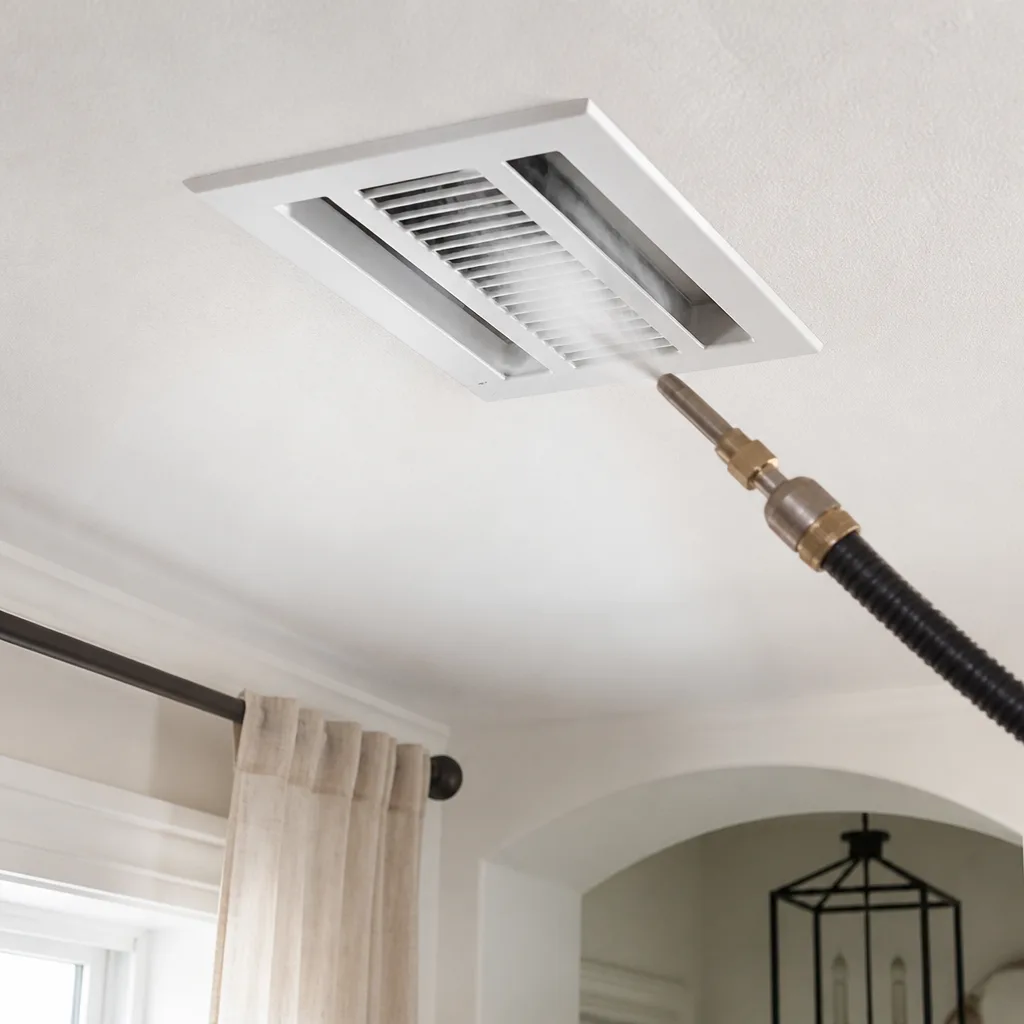 Sanitizing & deodorizing
Whole-system duct and dryer vent check with before-and-after photos - you see exactly what came out of your vents
That "$99 whole-house special" is a bait ad - the real number appears once they are in your hallway, or the "clean" is a shop-vac at the register. We photograph the inside of your ducts before and after instead.
The Complete Guide to Air Duct Cleaning in Puyallup
An experienced technician can tell within about 90 seconds whether a duct system was last “cleaned” by a discount crew. The debris patterns along the runs, the condition of the liner, and the edges of the register boots don’t lie. A truck-mounted vacuum pass that never touched the duct walls leaves a telltale film and a scatter of settled dust that a real source-removal job never does. That gap between a thorough cleaning and a cosmetic one stays invisible until the homeowner realizes their air quality hasn’t improved at all. This guide maps the full anatomy of a proper cleaning in Puyallup so you can recognize real work when you see it.
Quick Answer
A proper air duct cleaning in Puyallup removes the source of contamination from the entire system, not just the visible registers. It combines mechanical agitation of the duct walls with high-powered negative-pressure extraction, followed by a documented inspection of every run. The job should address the supply and return sides, the air handler, and the components feeding the system, and it should end with photo proof of what came out.
Styles & brands we work with
- Whole-home duct cleaning
- Dryer vent cleaning
- Camera inspection
- Sanitizing & deodorizing
Table of Contents
- Why Puyallup’s Wet Climate Creates a Specific Contamination Problem
- Source-Removal Cleaning vs. Simple Vacuuming
- What Professional-Grade Equipment Actually Does Inside the Duct Wall
- How Duct Age and Construction Type Change the Approach
- The Step-by-Step Anatomy of a Full-System Clean
- What a Post-Cleaning Inspection Should Include
- We Repair What We Find: Duct Sealing and Repair
- The Dryer Vent: A Safety Service, Not an Upsell
Why Puyallup’s Wet Climate Creates a Specific Contamination Problem
Most air duct cleaning guides are written for a dry climate, and the advice shows it. Puyallup sits in a stretch of western Washington where rain is a fact of life for much of the year, and the indoor environment that produces is very different from a desert home. When outdoor humidity stays high for weeks on end, the dust that settles in a return duct doesn’t just sit there as a dry powder. It absorbs moisture.
That damp dust behaves differently inside a duct. It clumps, it sticks to the walls, and it compacts into a layer that a light vacuum won’t touch. In Puyallup, we’ve seen years of damp debris build up into a crust along the bottom of return runs, and that crust is where trouble starts. Moisture plus settled organic dust is the recipe for mold spore activity, and a damp, contaminated system gives spores a place to settle and get recirculated into living space every time the blower kicks on.
The contamination profile we look for in Puyallup homes usually includes:
- Damp, compacted debris in return ducts and near the air handler, heavier than dry-climate dust and harder to disturb.
- Mold and mildew indicators near the evaporator coil and in any duct section with a slow moisture source, often signaled by a musty smell.
- Condensation-related dust adhesion in flex runs where cool air meets a warm duct wall and moisture forms.
- Pollen and fine particulate pulled in during the spring and summer when windows and doors are open more often.
A dry-climate cleaning video showing a quick vacuum of loose dust does not describe what a Puyallup system needs. Here, the job is about breaking up and removing damp, adhered material and controlling the spores and debris that come with it. If you want to understand the baseline service, it helps to start with air duct cleaning as the foundation, then build the extra steps this climate demands on top of it.
Source-Removal Cleaning vs. Simple Vacuuming
This is the single most important distinction in the trade, and it’s the one discount crews blur. Simple vacuuming pulls loose debris toward a vacuum head but leaves the source in place. Source-removal cleaning, the standard the industry works to, takes the contamination out of the system entirely: the dust cake on the walls, the settled material in the boots, the debris in the plenum, and the buildup on the components inside the air handler.
The difference shows up on a job site in ways a homeowner can actually see and feel. After a source-removal clean, the duct walls are visibly free of the film, the register edges are clean, and the air handler compartments are clear. After a vacuum-only pass, the walls still wear a thin grey coat, and the owner often notices the same musty smell returning within weeks.
Here’s how the two approaches compare on the points that matter:
- Goal: source removal eliminates the contaminant; vacuuming relocates some of it.
- Contact with the duct wall: source removal agitates the full surface with brushes and whips; vacuuming only affects what’s within easy reach.
- Returns and plenum: a real clean enters and clears these; a vacuum pass often skips them because they’re harder to reach.
- Air handler interior: proper cleaning addresses the coil, blower, and cabinet; a light job leaves them alone.
- Verification: source removal ends with inspection and photos; a discount job ends when the technician walks out the door.
If a quote is dramatically cheaper than others you receive, the difference is almost always here. The cheap quote is a vacuum-only pass dressed up as a full job. For a closer look at what the baseline service should include, the details behind Puyallup Air Duct Cleaning Pros are a useful read.
What Professional-Grade Equipment Actually Does Inside the Duct Wall
The equipment a crew brings tells you a lot about the job they intend to do. You can spot a consumer-grade setup from the street, and you can spot a contractor-grade one just as easily. The difference is not marketing; it’s mechanical.
Professional duct cleaning relies on two things working together: agitation and extraction. Agitation loosens the contamination from the duct wall, and extraction carries it out of the system and traps it. A shop-vac style setup does a little of the extraction and almost none of the agitation, so the material that’s stuck to the wall stays stuck. Systems like Rotobrush and Nikro are built to do both, with rotary brushes, air whips, and high-volume collection that reaches the full length of a run.
Containment is the third piece, and it’s the one most homeowners never hear about. When a crew breaks loose years of damp debris, that material has to be controlled so it doesn’t drift through the house. We use Abatement Technologies air-filtration equipment on site during service, the kind of containment gear you’d expect on a remediation job, to keep debris out of the air in the rooms the crew is working in. That’s a contamination-control standard above what typical duct cleaners bring, and it’s why a proper cleaning shouldn’t leave a haze in your living room.
Good equipment also makes the invisible visible. When we run a camera through a duct or collect the debris from a return, you see exactly what was moving through your air. That’s the whole point: cleaner air starts in the ducts, and the removal is what stands between a contaminated system and a clean one.
How Duct Age and Construction Type Change the Approach
Not every duct system cleans the same way, and treating them all identically is a sign of a crew that doesn’t understand the work. Two variables matter most in Puyallup homes: whether the runs are flexible or rigid sheet metal, and how old and how well-sealed the system is.
Flexible duct is common in newer construction and in retrofits. It’s a plastic liner over a wire coil, and it’s tougher to clean than it looks. A rotary brush in the wrong hands can tear the liner, so flex requires gentler agitation and careful pressure control. Damp debris compacted inside a flex run in a humid Puyallup summer is a real concern, and once a liner is damaged, the run has to be replaced rather than just cleaned.
Rigid sheet metal duct shows up in older homes and in the main trunks of most systems. It can take more aggressive agitation, but it also accumulates harder dust cake and often has leaking seams at joints and connections. Those leaks let conditioned air escape and unfiltered air in, which undermines everything the cleaning is supposed to fix.
System age matters because older ductwork tends to have more disconnected joints, more gaps at the boots, and more accumulated material in the plenum. A cleaning on a twenty-plus-year-old system without addressing the leaks is a partial job. That’s why our approach treats cleaning, inspection, and sealing as one connected effort rather than separate line items. The full picture of what HVAC cleaning involves shows how the equipment and the ductwork come together.
The Step-by-Step Anatomy of a Full-System Clean
A complete duct cleaning follows a sequence. Skip a step, or rush one, and the result shows. Here’s what a full-system job looks like from the inside, in order:
- Walk-through and system mapping. We inspect every register, identify the supply and return layout, and note any disconnected or damaged runs before a tool comes out.
- Containment setup. Air-filtration equipment goes in to control debris during the cleaning, so loosened material doesn’t cross into living space.
- Source agitation. Rotary brushes and air whips work the full length of each run, breaking loose the adhered dust and damp debris against the duct wall.
- High-volume extraction. A negative-pressure vacuum pulls the loosened contamination out of the system and into collection.
- Air handler and component cleaning. The coil, blower, and cabinet interior are cleared so the system isn’t feeding cleaned ducts from a dirty plenum.
- Sanitizing where indicated. When contamination is present, an antimicrobial treatment with Guardsman-brand products is applied to documented areas.
- Sealing and repair. Leaking joints and damaged sections are sealed or repaired while the system is open, not left for later.
- Inspection and photo documentation. We re-check the runs and capture before-and-after photos so you can see the result yourself.
A full cleaning covers every one of those steps. A discount job usually handles step three and part of step four, and skips the rest. In our experience, the homes in Puyallup that come to us after a bad cleaning are almost always missing steps five through eight.
What a Post-Cleaning Inspection Should Include
The inspection is where a good job proves itself, and it’s the part homeowners most often skip. Before the technician leaves, you should be walked through a clear check of the work. Ask for it if it isn’t offered.
A proper post-cleaning inspection includes:
- Before-and-after photos of your own ducts, not stock images pulled from a website. You want to see your system, your runs, your plenum.
- A camera check inside the main runs to confirm the walls are clear rather than filmed over.
- Register and boot check to make sure debris wasn’t just pushed to the edges and left there.
- A look at the air handler to confirm the coil and blower are clean.
- A note on any sealing or repair done, and any leaks found that need attention.
There’s one simple verification you can do yourself: watch the collection during the job. If a crew runs a truck-mounted vacuum but never agitates the walls, the amount they pull out will be small. A source-removal job produces a visible volume of material because it’s coming off the walls.
We Repair What We Find: Duct Sealing and Repair
Cleaning a leaking duct system and leaving the leaks in place is like mopping a floor while the tap is still running. When we inspect a Puyallup system, we look for disconnected runs, torn flex liner, gaps at the boots, and leaky seams along the trunk. Those aren’t cosmetic issues. Every gap lets conditioned air escape before it reaches a room, and lets unfiltered air from crawlspaces, attics, or garages get pulled in.
That’s why the work doesn’t stop at extraction. Repairing a torn liner, re-seating a disconnected joint, and sealing obvious gaps with mastic or approved tape stops the leaks and keeps the system clean going forward. A cleaning without sealing leaves the homeowner paying for clean air that keeps leaking out of the ductwork before it arrives. Fixing what we find on the same visit is what turns a one-time cleaning into a system that stays clean. It’s the practical version of “we repair what we find.”
If the system has a compromised liner or brittle, failing ductwork, it may need sections replaced rather than cleaned. We’ll explain the options and the written estimate sets the final price before any work starts.
The Dryer Vent: A Safety Service, Not an Upsell
The dryer vent is part of the same indoor air picture, but it carries a risk the supply ducts don’t. Lint is highly combustible, and a vent packed with it is a fire hazard sitting inside the wall. Many homeowners never think about it because the dryer still runs, but a slow-drying load and a warm cabinet are warning signs that a vent is clogged.
We treat dryer vent cleaning as a standalone safety service, not a tacked-on extra. The vent is cleaned with the same professional-grade approach as the duct system: the full run from the dryer connection to the exterior termination is cleared, and the exterior damper and any screen are checked. In western Washington, where damp air and lint can combine, a clean, unobstructed vent matters more than in a dry climate.
There’s a bonus here. Clearing a clogged dryer vent shortens drying time and reduces the wear on the appliance, so the safety fix usually pays back in efficiency too.
Common Mistakes to Avoid
- Hiring on price alone. A coupon price far below everyone else’s is a warning, not a win. It usually buys a vacuum pass that doesn’t agitate the ducts, so the contamination never leaves the walls.
- Skipping the air handler. Cleaning supply and return ducts but leaving a dirty coil and blower is a half job. The system will push that debris right back into the clean ducts.
- Not addressing leaks. Trying to improve air quality without sealing disconnected joints and gaps wastes the effort. In Puyallup’s older home stock, leaking duct seams are common.
- Accepting stock photos as proof. A crew that shows you generic images didn’t show you your ducts. Insist on before-and-after photos of your own system.
- Ignoring the musty smell after a cleaning. If the smell returns, it usually means a moisture source or damp debris was left behind. That points to a problem the first job missed.
- Forgetting the dryer vent. Treating the dryer vent as optional ignores a real fire hazard. If it hasn’t been cleared in years, get it done with the rest of the system.
- Assuming humidity doesn’t matter. Dry-climate advice doesn’t account for the damp debris that builds up in a Puyallup home. Cleaning needs to target the material this climate actually produces.
See the difference
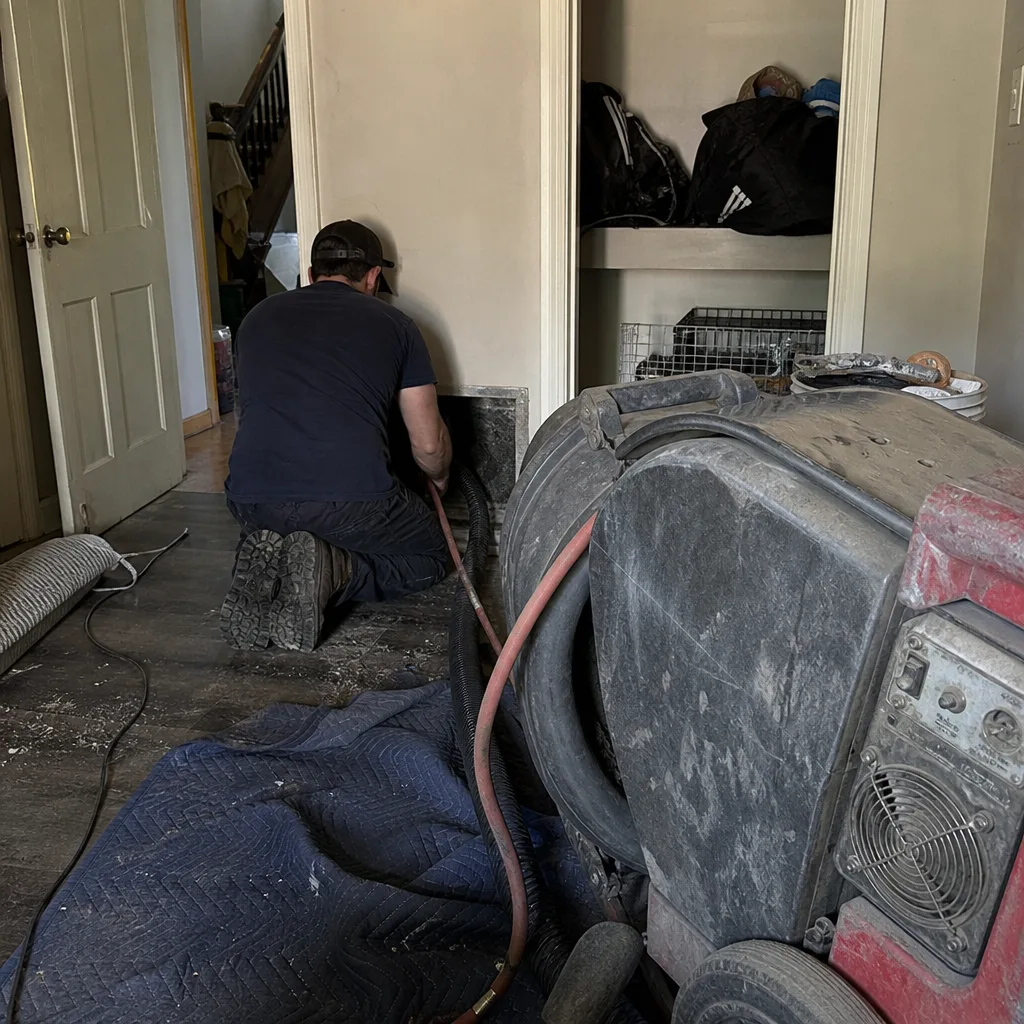 Before
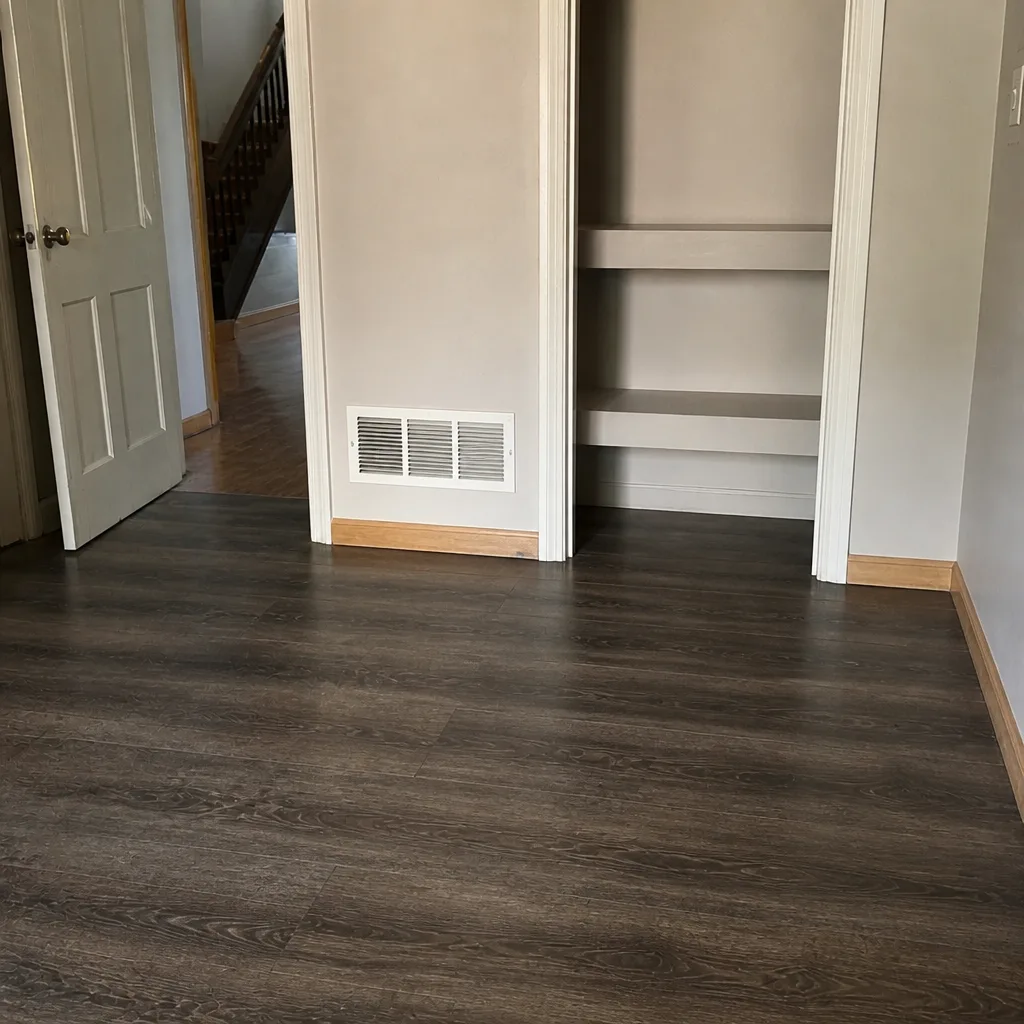 After
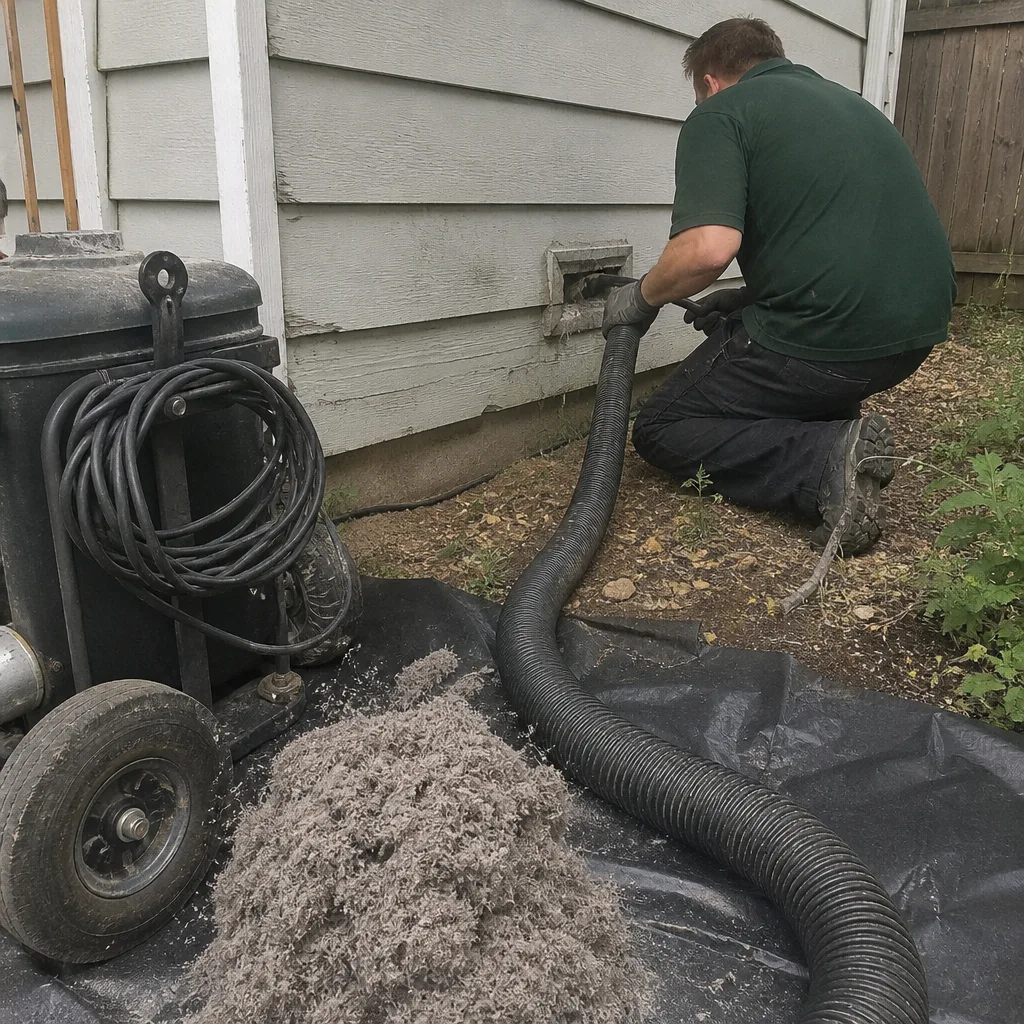 Before
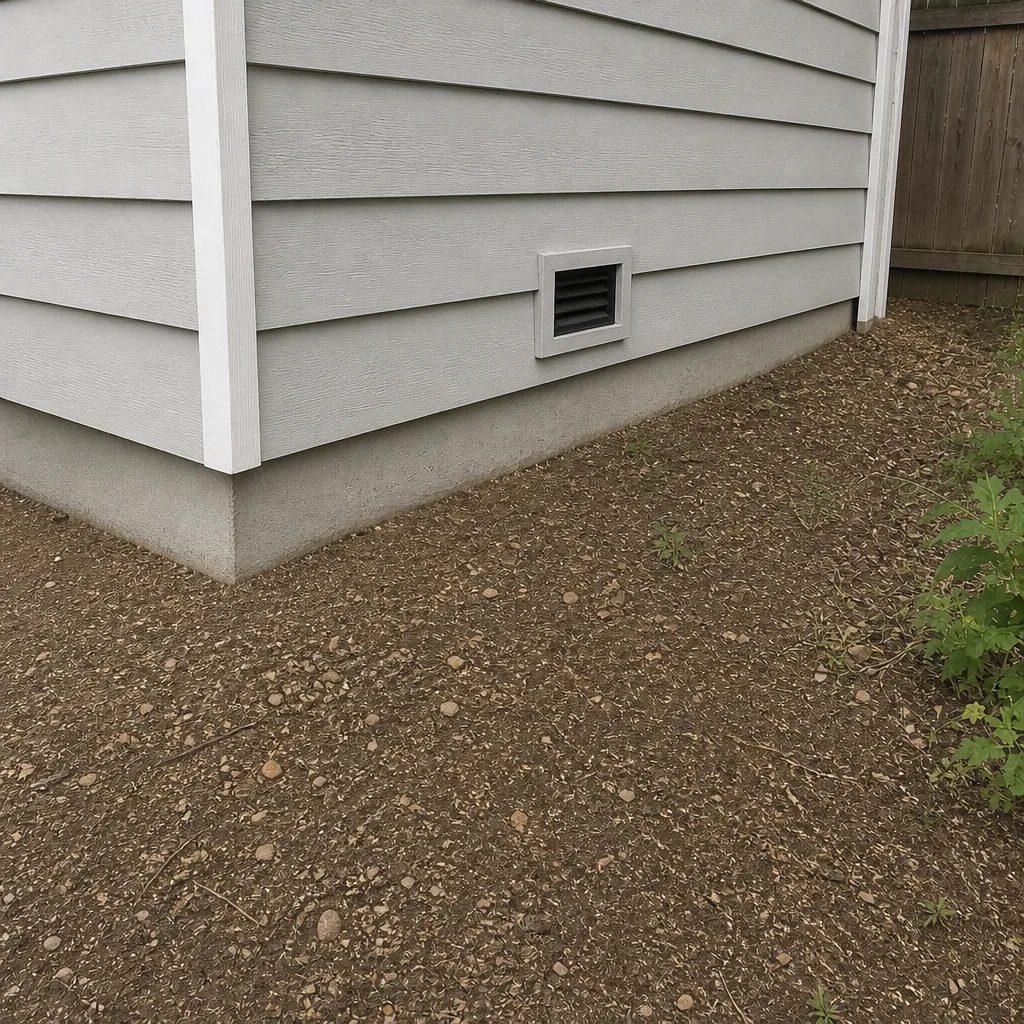 After
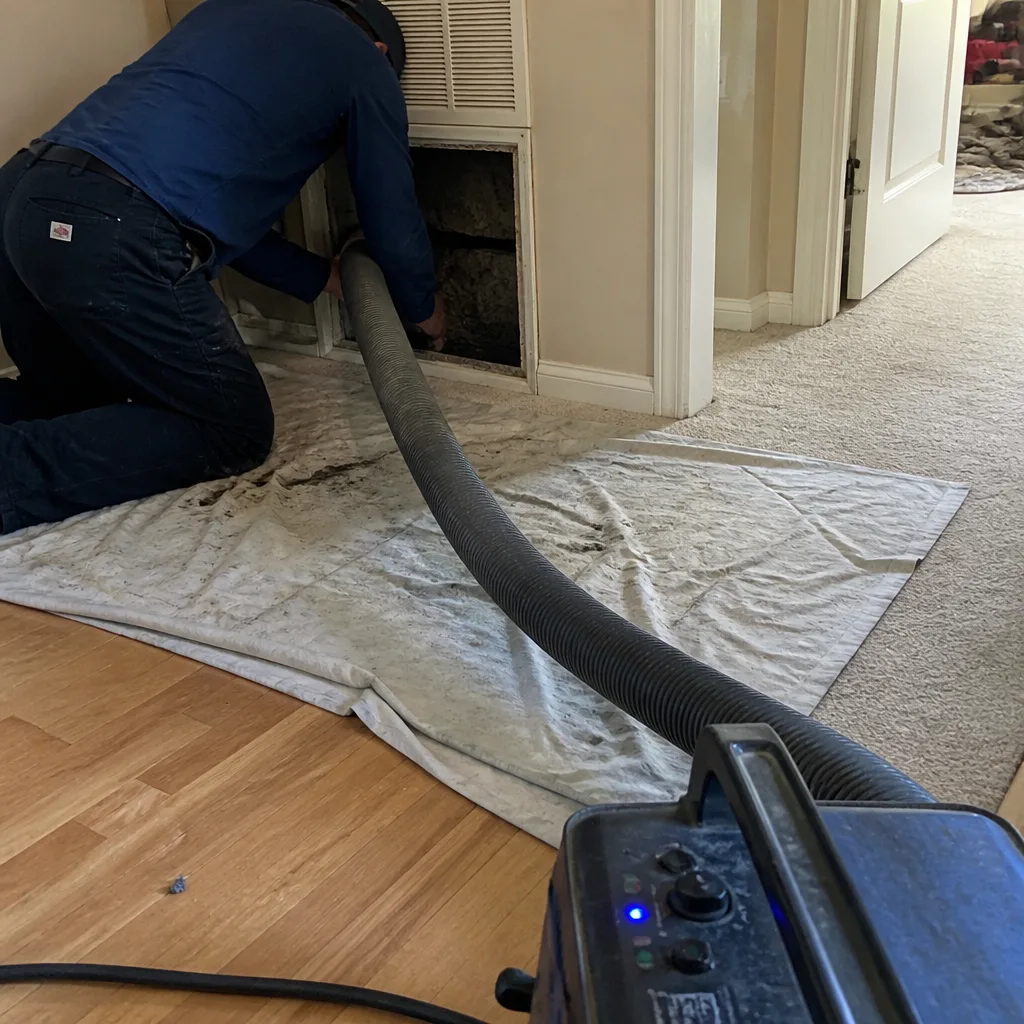 Before
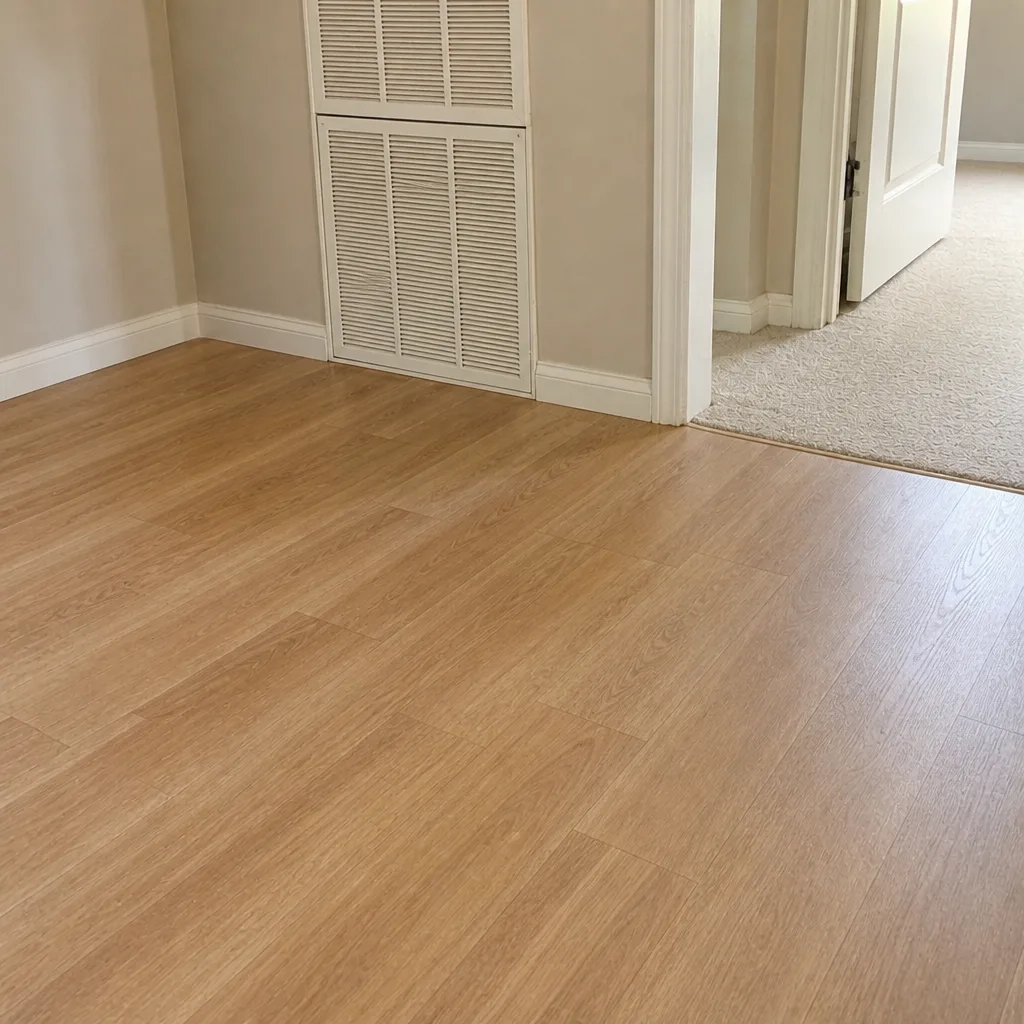 After
When to Call a Professional
Some signs point clearly to a professional. If anyone in the home has allergy or asthma flare-ups that don’t improve with better filters, if a musty smell hits you when the heat or AC kicks on, or if visible dust settles on surfaces days after a cleaning, the system is likely the source. Buying a new home is another reason to call: a pre-move inspection tells you what the previous owner left in the ducts.
So is a system with known leaks, a dryer that takes longer than it used to, or a dryer vent that hasn’t been cleared in years. We work with professional-grade equipment and offer free estimates in Puyallup. Call (855) 658-5273. We answer 24/7, with fast dispatch from 7am to 7pm, Sunday through Friday.
Frequently Asked Questions
Most whole-system cleanings in Puyallup fall in a typical range, and the written estimate sets the final price. It depends on the size of the system, how many runs and registers are involved, and whether repair or sealing is needed. A job that includes source removal, air handler cleaning, and inspection costs more than a bare vacuum pass, but the cheaper pass usually leaves you with the same air quality problem. Call (855) 658-5273 for a free estimate.
A damp climate like Puyallup’s argues for a cleaning every few years for most homes, and more often if the system shows signs of damp debris or mold. The better test is the signs: musty smells, visible dust on registers, allergy flare-ups, or a newly purchased home. If you notice any of those, don’t wait for a calendar. Call (855) 658-5273 for a free estimate.
Cheaper quotes usually skip the agitation and the air handler, which is where most of the contamination lives. A vacuum-only pass pulls out the loose material and leaves the source on the duct walls, so the work looks done but the air quality doesn’t improve. Ask what equipment they use and whether the price includes the plenum and the coil. Call (855) 658-5273 for an honest whole-system quote.
You should get before-and-after photos of your own ducts, a camera check of the main runs, and a walk-through of the air handler before the crew leaves. Watch the collection during the job: a real source removal produces a visible volume of material. A crew that can’t show you your system’s before-and-after didn’t do a full job. Call (855) 658-5273 for a free estimate.
We repair and seal as part of the same service. Leaking seams, disconnected joints, and torn flex liner are diagnosed and fixed while the system is open, so clean air actually reaches the room instead of leaking out along the way. That’s the difference between cleaning that lasts and cleaning that gets undone within a season. Call (855) 658-5273 for a free estimate.
It’s a separate service, and it should be. The dryer vent carries combustible lint and a clogged vent is a fire hazard, so we clear the full run from the dryer to the exterior termination. Many homeowners add it to a duct cleaning for convenience, but the safety value stands on its own. Call (855) 658-5273 for a free estimate.
The Bottom Line
A real air duct cleaning in Puyallup removes the source of contamination instead of just relocating it. The signs of a proper job are visible: agitated duct walls, a cleaned air handler, contained debris, sealed leaks, and before-and-after photos of your own system. The signs of a cosmetic one are also visible, once you know what to look for. Puyallup’s damp climate makes the difference bigger, because the debris here sticks, compacts, and feeds spore growth. If you want a cleaning that changes your indoor air quality rather than just checking a box, ask the right questions and check the evidence before the technician leaves.
Cleaner air starts in the ducts, and one call can cover the whole system: cleaning, HVAC cleaning, repair and sealing, sanitizing, and dryer vent work. Call (855) 658-5273 for a free estimate. We answer 24/7, with fast dispatch from 7am to 7pm, Sunday through Friday. Our technicians have up to 11 years of experience, and the local pro who performs the work is licensed and insured as the state requires.
Written by the team at Puyallup Air Duct Cleaning Pros.