
Last updated November 25, 2026
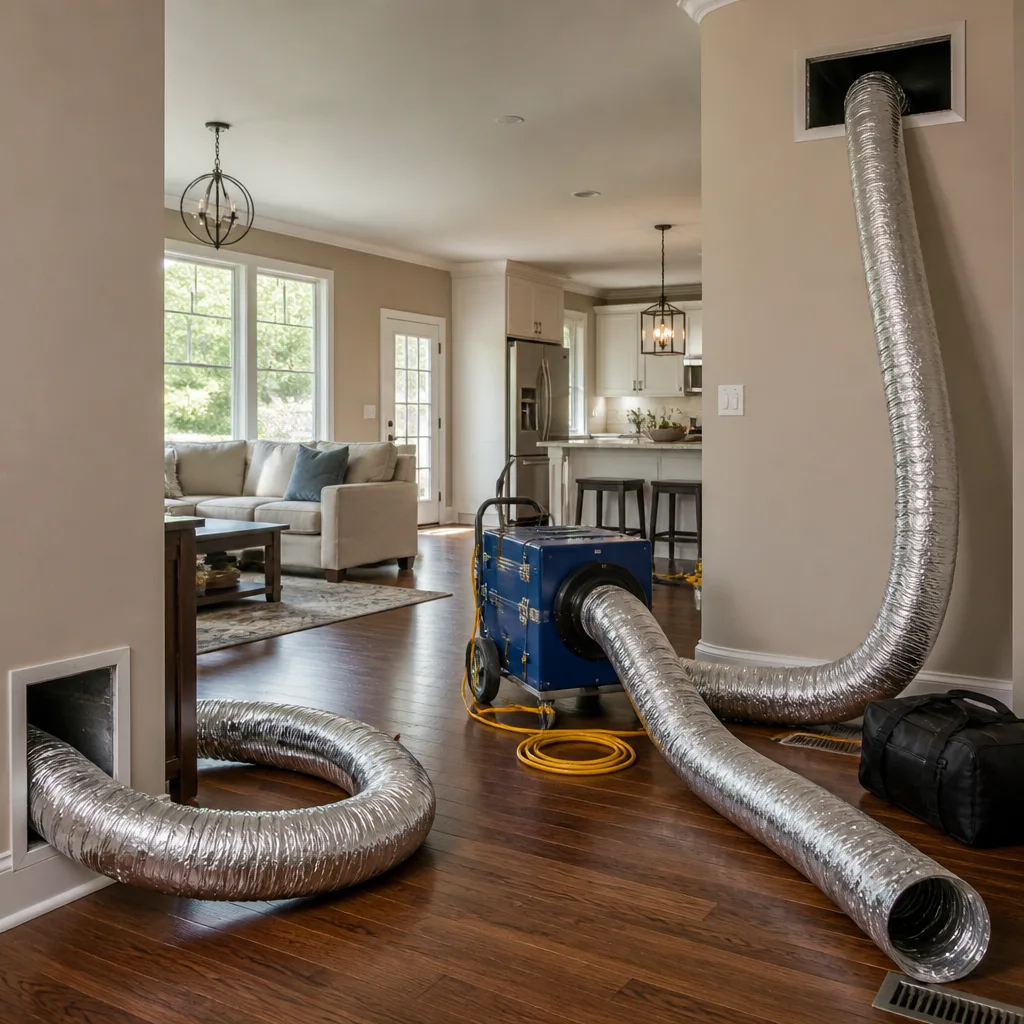 Whole-home duct cleaning
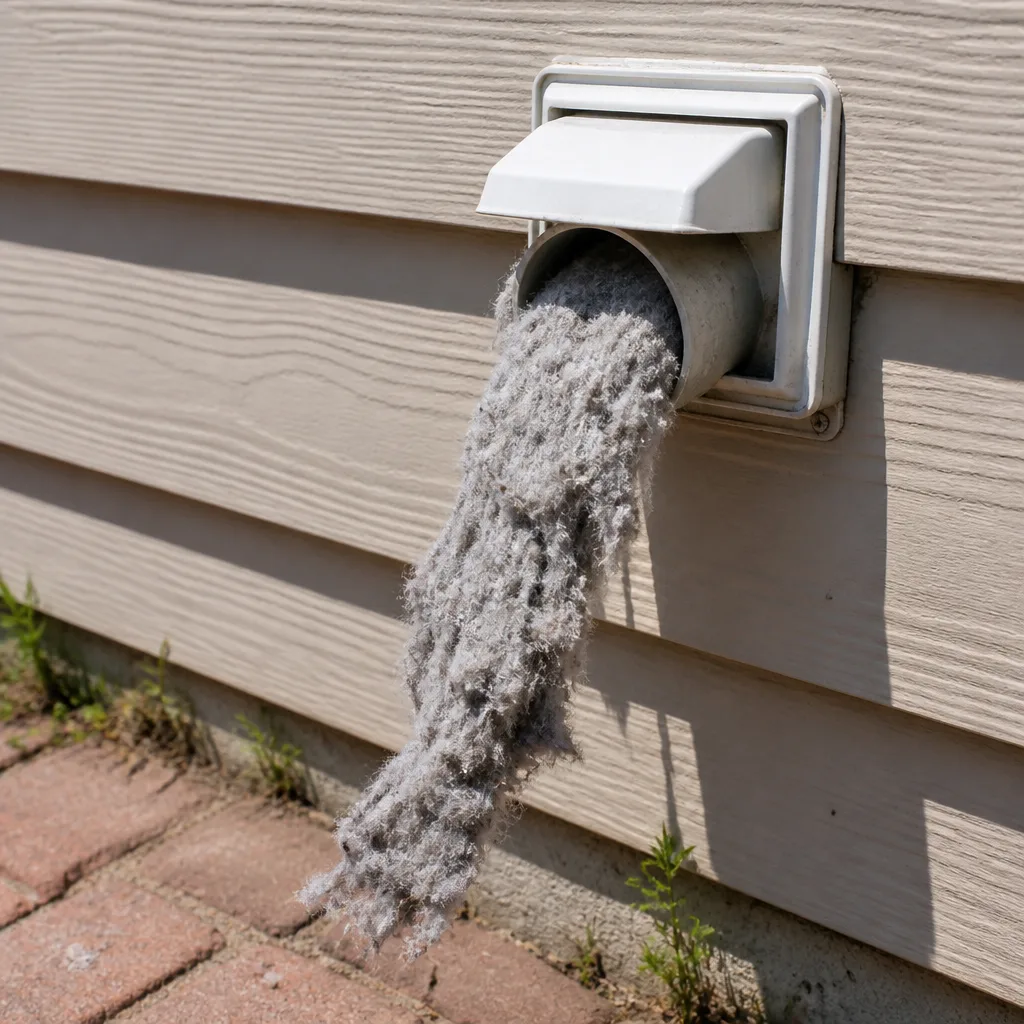 Dryer vent cleaning
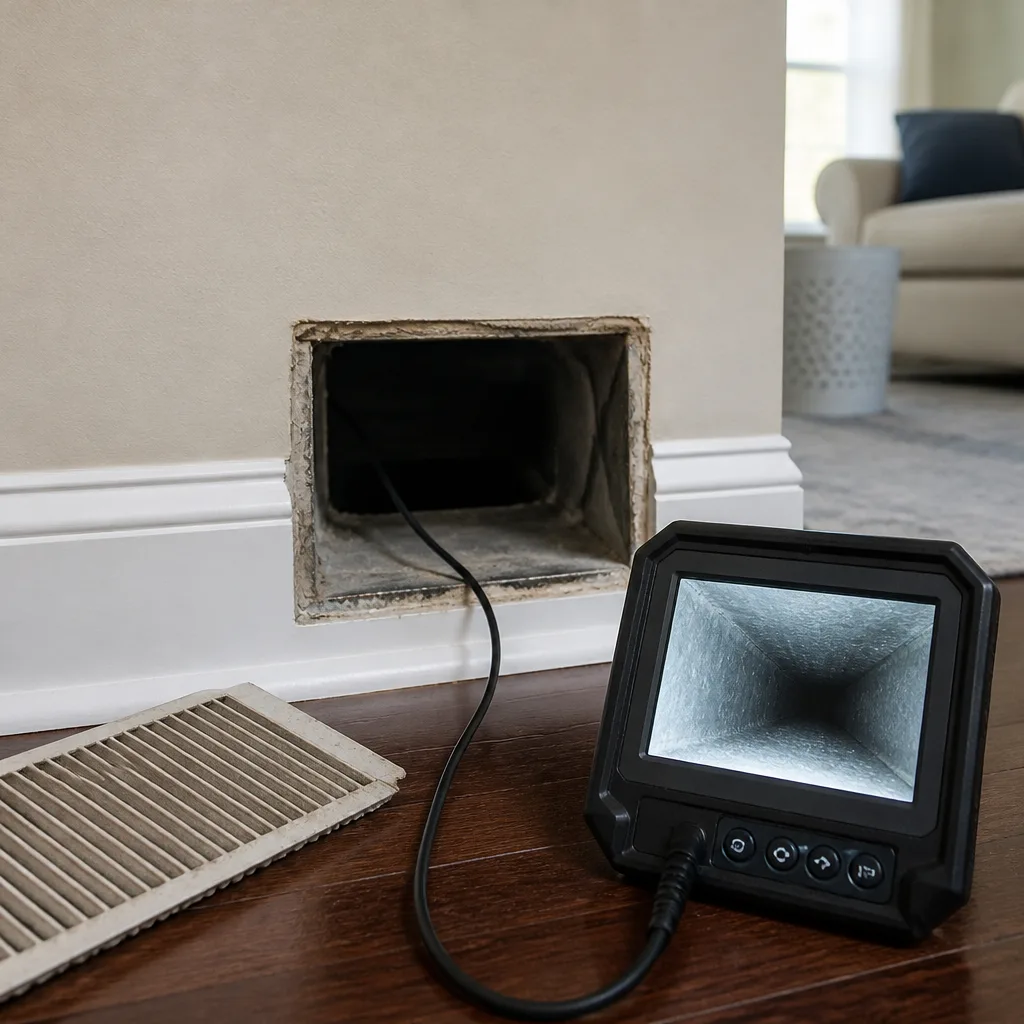 Camera inspection
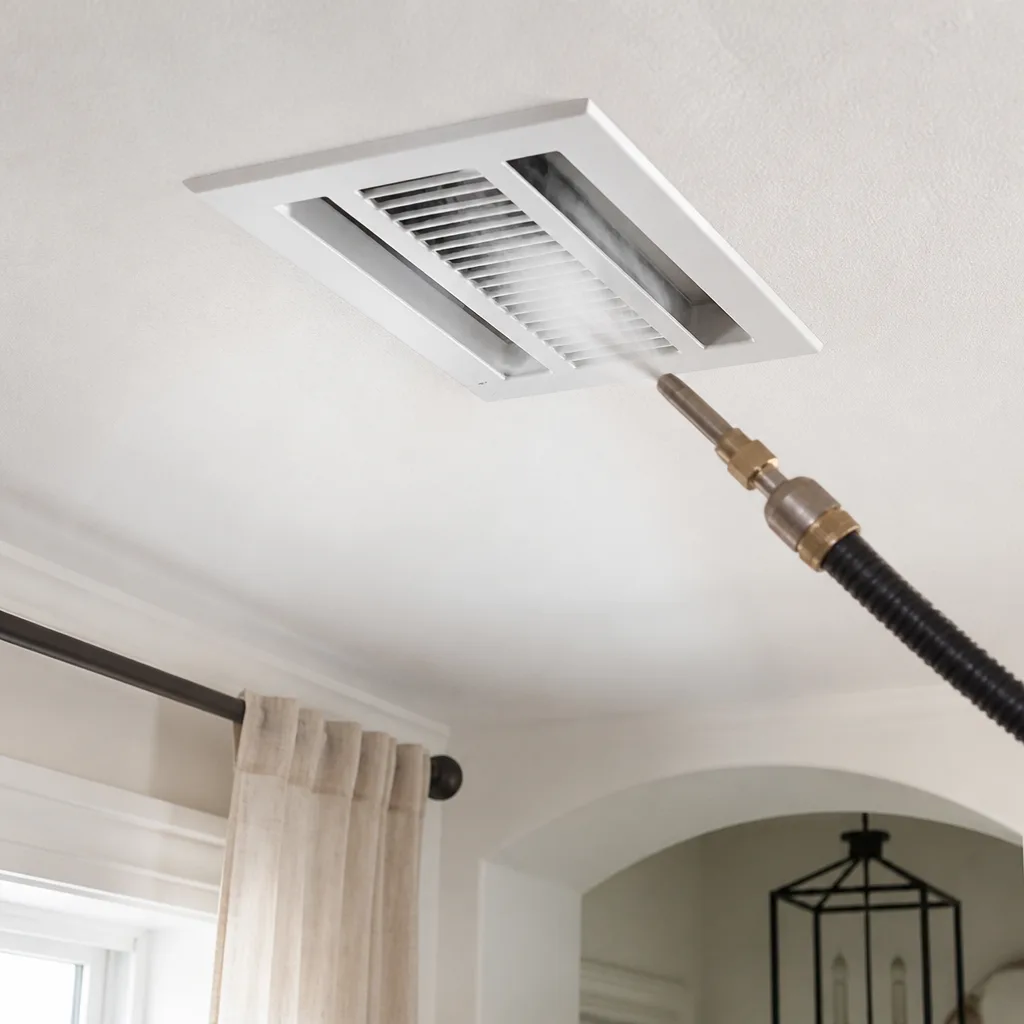 Sanitizing & deodorizing
Whole-system duct and dryer vent check with before-and-after photos - you see exactly what came out of your vents
That "$99 whole-house special" is a bait ad - the real number appears once they are in your hallway, or the "clean" is a shop-vac at the register. We photograph the inside of your ducts before and after instead.
Air Duct Cleaning Maintenance Checklist for Puyallup Homeowners
The filter is the last line of defense, not the first. By the time a filter looks clogged to the eye, dust, pollen, and pet dander have already been slipping past it and settling on the walls of your ductwork for months. That’s the part most homeowners never see, and it’s exactly why a maintenance checklist matters more than a filter-change reminder on your phone. In this guide we’ll walk through the inspection points our technicians actually check between professional cleanings, the monthly, quarterly, and annual tasks that keep a Puyallup duct system healthy, and the warning signs that mean the job has outgrown a homeowner’s checklist. You’ll finish with a routine you can run yourself and a clear sense of when to stop and call someone.
Quick Answer
A workable duct maintenance checklist for a Puyallup home comes down to three rhythms: monthly filter and register checks, quarterly inspections of the return-air grilles, and annual professional attention for the parts you can’t reach. You inspect and log what you can see; a trained technician handles the interior duct walls, the blower, and the coil. Catch problems on the small rhythm and you avoid the big remediation bill later.
Styles & brands we work with
- Whole-home duct cleaning
- Dryer vent cleaning
- Camera inspection
- Sanitizing & deodorizing
Table of Contents
- Why Maintenance Matters More Than Most Puyallup Homeowners Think
- The Monthly Rhythm: Filters, Registers, and a Simple Log
- The Quarterly Inspection: Returns, Grilles, and the Flashlight Method
- The Annual Task List: What to Book and What to Check Before It
- How Puyallup’s Wet Season Affects Your Ducts
- Eight Signs Your Puyallup Ducts Need Attention Before the Schedule Says So
- How to Keep a Maintenance Log That Actually Helps a Technician
- Common Mistakes to Avoid
Why Maintenance Matters More Than Most Puyallup Homeowners Think
Air ducts are the one part of your heating and cooling system that runs through the whole house and gets the least attention. You change the filter, you notice the thermostat, and everything in between goes unexamined. But that in-between space is where the work happens. Every cubic foot of air your furnace or heat pump moves passes through those duct walls, and whatever coats the inside of them ends up in your living room.
A maintenance checklist reframes duct care as an inspection protocol rather than a cleaning chore. The point isn’t to scrub everything every month. It’s to notice developing problems while they’re still small. A grille that starts to whistle, a return that pulls weaker than it did last season, a fine gray film on the ceiling near a register: each of those is a data point. Log it, watch it, and you’ll know when a professional is warranted instead of guessing.
For a Puyallup home, the stakes are a little higher than in a dry climate. We get a long wet stretch from fall into spring, and that moisture doesn’t stay outside. It shows up as higher indoor humidity, which is exactly the condition that lets dust and organic debris in a duct system cake onto surfaces and start to smell. A regular routine catches that early. Here at Puyallup Air Duct Cleaning Pros, we’ve walked into plenty of systems where a few missed seasons turned a straightforward cleaning into an air duct cleaning job with visible buildup on the trunk lines. The checklist below is built to keep you ahead of that.
The Monthly Rhythm: Filters, Registers, and a Simple Log
The monthly checklist is short and mostly takes ten minutes. It’s built to keep the filter doing its job and to catch the obvious stuff while it’s obvious.
- Check the filter, don’t just replace it. Pull it out and hold it up to a light. If you can’t see light through it clearly, it’s loading up. A filter’s job is to catch particles before they reach the blower and the ducts, so a filter that’s clogged means the bypass is happening somewhere else.
- Look at each supply register. Open the grille and shine a flashlight up into the boot. You’re looking for dust clouds on the vanes, streaks on the sides, or anything dark and fuzzy that shouldn’t be there.
- Feel the airflow at the furthest register. Put your hand over the vent furthest from the furnace. If it pushes noticeably weaker than the registers near the equipment, you’ve got a distribution problem worth noting.
- Smell the air at a supply vent. A musty or vaguely “dirty sock” smell at the register points to moisture or organic buildup inside the duct, not just a filter issue.
- Write it down. Date, which filter, what you saw. Two lines is enough. A month of notes turns into a pattern fast.
One note on filter ratings: a higher MERV rating isn’t automatically better for every system. Your equipment was designed with a specific filter range in mind, and going too restrictive can strain the blower. If you’re not sure what your system calls for, that’s a good question for a technician on your next visit. It’s a small detail that shapes everything downstream.
The Quarterly Inspection: Returns, Grilles, and the Flashlight Method
Every three months, do a slightly deeper pass. This is where you’d catch the majority of developing issues before they become expensive. You’ll need a flashlight, your phone camera, and a screwdriver if your grilles are screwed down.
- Remove and wash the return-air grille. The big return grille is the one that pulls air back into the system. Take it off, rinse it in the sink, and let it dry. Look at the frame while you’re holding it. Fine gray dust is normal; crusty buildup or anything sticky means something’s off.
- Photograph the interior of every boot. With the grille off, snap a phone photo up into the duct from two angles. Do the same in a supply register. The photos become your reference for the next quarter, and the difference between them tells the story.
- Check the ceiling and wall around each register. A ring of dust around a grille, or dark marks at the corners, can mean a seal has failed and air is leaking behind the drywall. That’s a duct-sealing issue, not just a cleaning issue.
- Look at the condenser and air handler area. If you have a heat pump or AC, check that the area around the indoor unit is clean and dry. Any standing water or rust streaks warrant a call.
- Check the dryer vent screen and duct run. Even if you’re only doing a visual pass, lint buildup at the back of the dryer or a kinked flex duct behind it is a fire hazard, not just an efficiency problem. A dedicated dryer vent cleaning should be on your annual list regardless.
Keep the phone photos. They’re the single most useful diagnostic tool a homeowner can hand a technician, because they let us see change over time in your specific system rather than guessing from a single visit.
The Annual Task List: What to Book and What to Check Before It
Once a year, the system deserves a proper professional inspection and, in most homes, a cleaning. Some homes can stretch that interval; others need it more often. Here’s the annual checklist, in the order it makes sense to do the work.
- Book a full-system cleaning and inspection. This is the interior work you can’t see or reach. A thorough clean uses mechanical agitation and high-powered extraction, which is what our Rotobrush and Nikro equipment is for, rather than a shop-vac pass.
- Have the coil and blower checked. The evaporator coil and blower wheel are the two components that collect the most dust in a system, and they can’t be cleaned from a register. This is often bundled with HVAC cleaning work.
- Ask about duct sealing. Leaky joints and poorly sealed boots waste a real percentage of the air you pay to condition. Sealing is often the difference between a clean system and an efficient one.
- Consider a sanitizing step. If the ducts show signs of biological growth or persistent odor, a sanitizing treatment with a product like Guardsman makes sense after cleaning, not instead of it.
- Review your IAQ setup. If you have or want a Honeywell or Aprilaire system, the annual visit is the right time to talk about filters, humidification, or purification that suit your home.
- Clean the dryer vent. Annually, as a separate safety item. Lint is fuel, and a blocked vent is one of the more preventable fire risks in a home.
Before your appointment, do one small thing: write down the date of your last cleaning and bring your filter log. A technician who knows the system’s recent history can tailor the inspection instead of starting cold.
How Puyallup’s Wet Season Affects Your Ducts
Puyallup sits in a river valley with a long, damp stretch of weather. The practical effect on ducts is straightforward: indoor humidity climbs when it’s wet outside, and humidity is what turns ordinary dust into the gummy coating that holds onto duct walls and starts to smell. That’s why our maintenance advice for the area leans on the wet months.
When the rainy season arrives, keep an eye on these:
- Indoor humidity readings. If your home regularly sits above a comfortable indoor range, run the bath fan longer and check for leaks near registers. High humidity plus dust equals buildup.
- Musty odor at registers. This is the classic Puyallup wet-season duct signal. It usually means organic material inside the duct has gotten damp.
- Condensation near vents. Water beads or staining near a ceiling register point to a duct that’s running cold in a warm space, which usually means a sealing or insulation issue worth a look.
- Filter loading rate. Filters tend to clog faster in a closed-up house during the wet months, so your monthly check matters more then.
The dry summer months are actually the easier time to schedule a cleaning: less indoor humidity means the system stays cleaner longer afterward, and cleanup is simpler. If you’re planning one professional visit this year, late spring into summer is a sensible window for a Puyallup home.
Eight Signs Your Puyallup Ducts Need Attention Before the Schedule Says So
Intervals are a planning tool, not a rigid rule. These are the indicators our technicians watch for that signal a system needs professional attention sooner than the calendar suggests.
- Visible dust plumes at registers when the system kicks on. If a supply vent visibly spits dust into the room, the duct is loaded.
- A musty or stale smell that never clears. Persistent odor at multiple registers is the clearest sign of buildup inside the duct.
- Allergy symptoms that spike when the system runs. If you notice a pattern, it’s worth having the system looked at rather than guessing.
- Weak airflow at the far registers. Reduced output without a filter explanation suggests partial blockage or a failing seal.
- Uneven temperatures room to room. A clean, sealed system distributes more evenly. Lopsided comfort is a clue.
- A visible film of dust on flat surfaces within a day of cleaning. Re-settling that fast points to a source in the ducts.
- Recent purchase of an older home. You can’t know the duct history, so start with a professional look rather than inheriting an unknown.
- Pests or construction nearby. Rodent activity or a recent remodel can deposit debris in the system that a filter won’t catch.
If several of these line up, don’t wait for the annual date. A professional look will tell you whether it’s a cleaning, a repair, or something simpler. Our professional-grade filtration equipment, including Abatement Technologies systems used on-site during service, is what keeps the work from spreading dust around the house while it’s happening.
How to Keep a Maintenance Log That Actually Helps a Technician
Most homeowners keep either nothing or a scattered pile of filter receipts. A simple log does two useful things: it shows patterns over time, and it gives a technician your system’s history in one place. You don’t need a binder. A note on your phone or a sheet on the fridge works fine. Keep these fields:
- Date of each filter change and inspection.
- Filter type and size (the exact size matters for replacements).
- What you saw at registers: dust, odor, airflow notes.
- Photos of the register interiors, dated in the phone app.
- Service history: date and type of any professional cleaning, sealing, or repair.
- Thermostat or comfort notes: uneven rooms, thermostat quirks, energy-bill surprises.
When you hand that log to a technician on a service call, the diagnosis moves faster. Instead of starting with “what’s been going on?”, we can look at how your specific system has behaved over the year. That’s especially useful in a Puyallup home with a long wet season and a history of humidity-linked odor.
Common Mistakes to Avoid
- Replacing the filter with the highest MERV you can find. A filter that’s too restrictive for your blower reduces airflow and doesn’t clean better. Match the filter to what the equipment calls for.
- Vacuuming your own registers with a shop vac. A consumer vacuum can push fine dust deeper into the ducts or blow it into the room. It feels productive and often makes the problem worse.
- Ignoring the return-air side entirely. Homeowners focus on supplies because that’s where air comes out, but the returns are where a lot of the loading happens. Check both.
- Waiting for a visible dust plume before acting. By the time you can see it at a register, the buildup has been happening for months. Rely on the quarterly photos, not the plume.
- Cleaning ducts without checking for leaks. Blowing out a leaking system just lets the dust escape into the walls or attic. Diagnose and seal, then clean.
- Skipping the dryer vent because the ducts got cleaned. These are separate systems. Dryer vent lint is a fire concern that duct cleaning doesn’t touch.
- Trusting a sticker with no documentation. A good cleaning produces before-and-after photos of your own ducts. If a technician can’t show you the “after” for your system, you can’t confirm the work was done.
See the difference
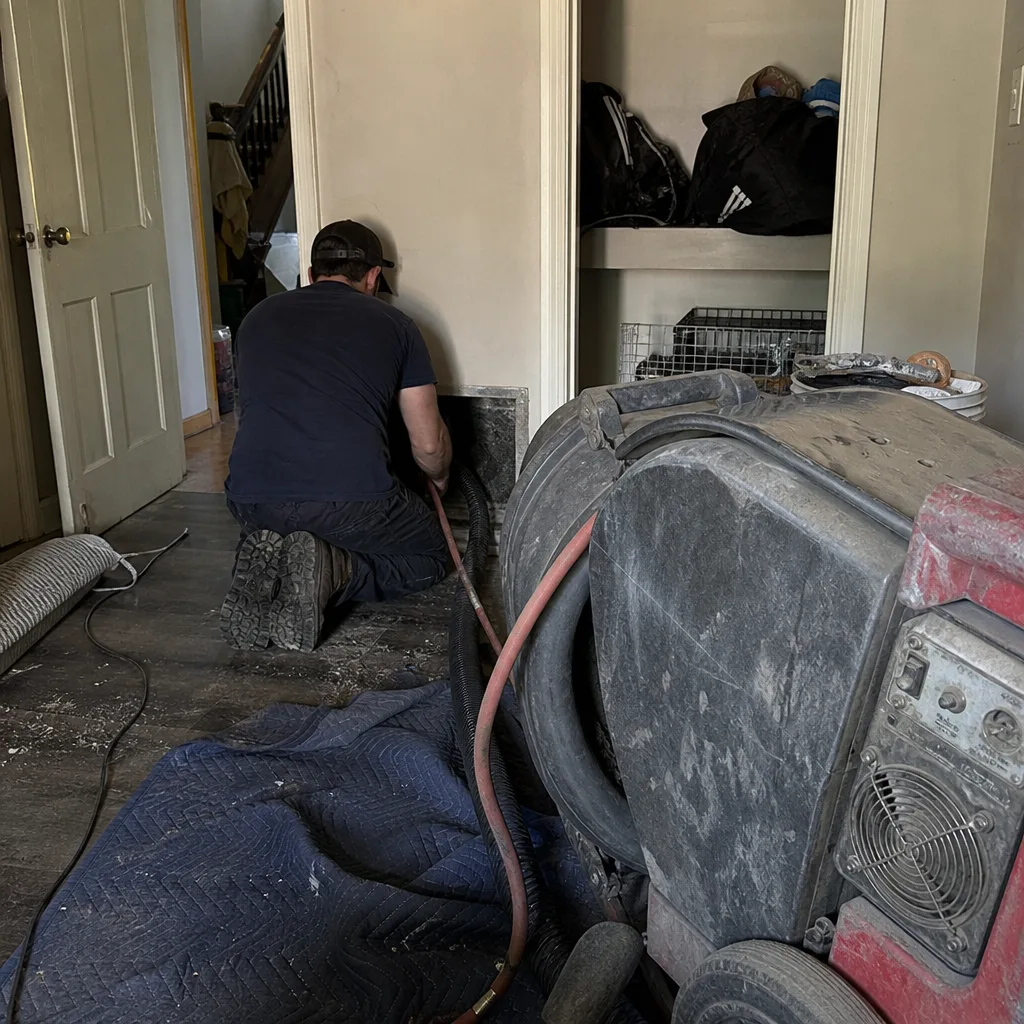 Before
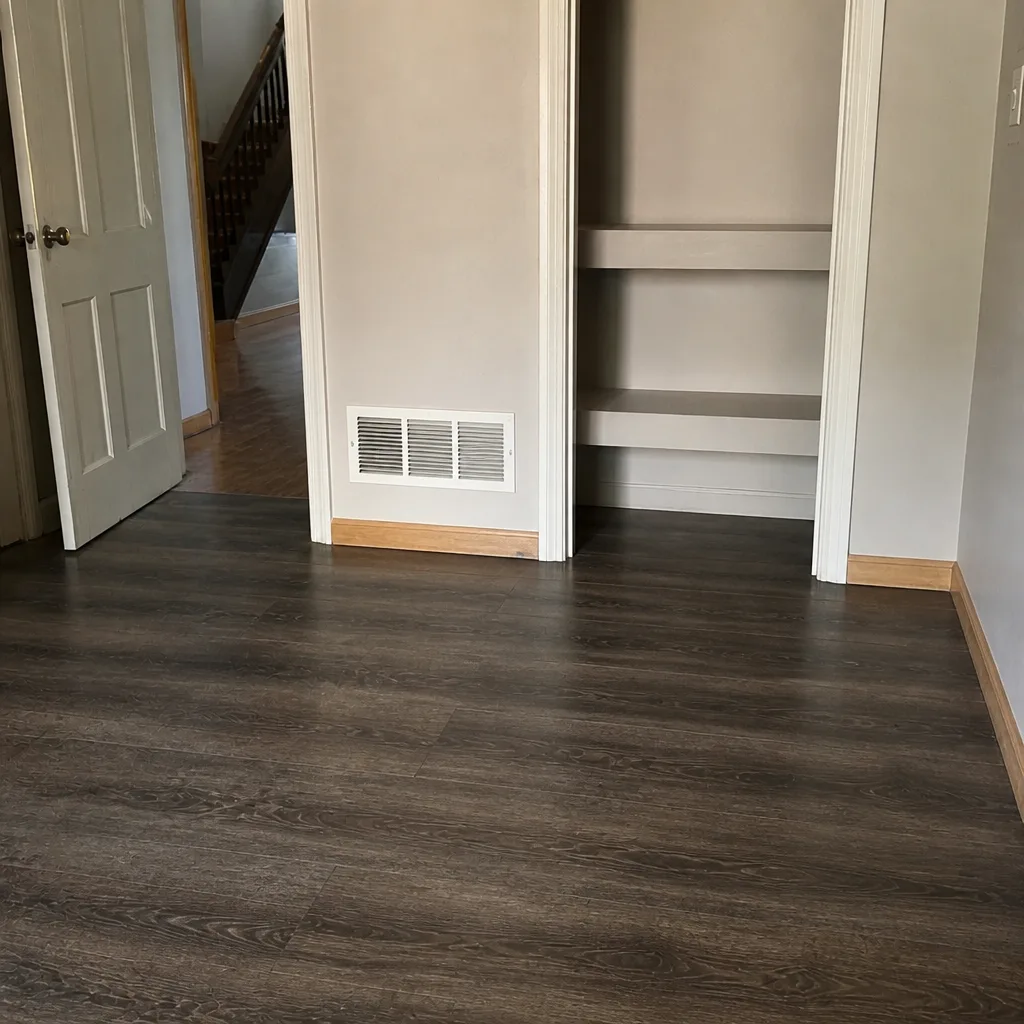 After
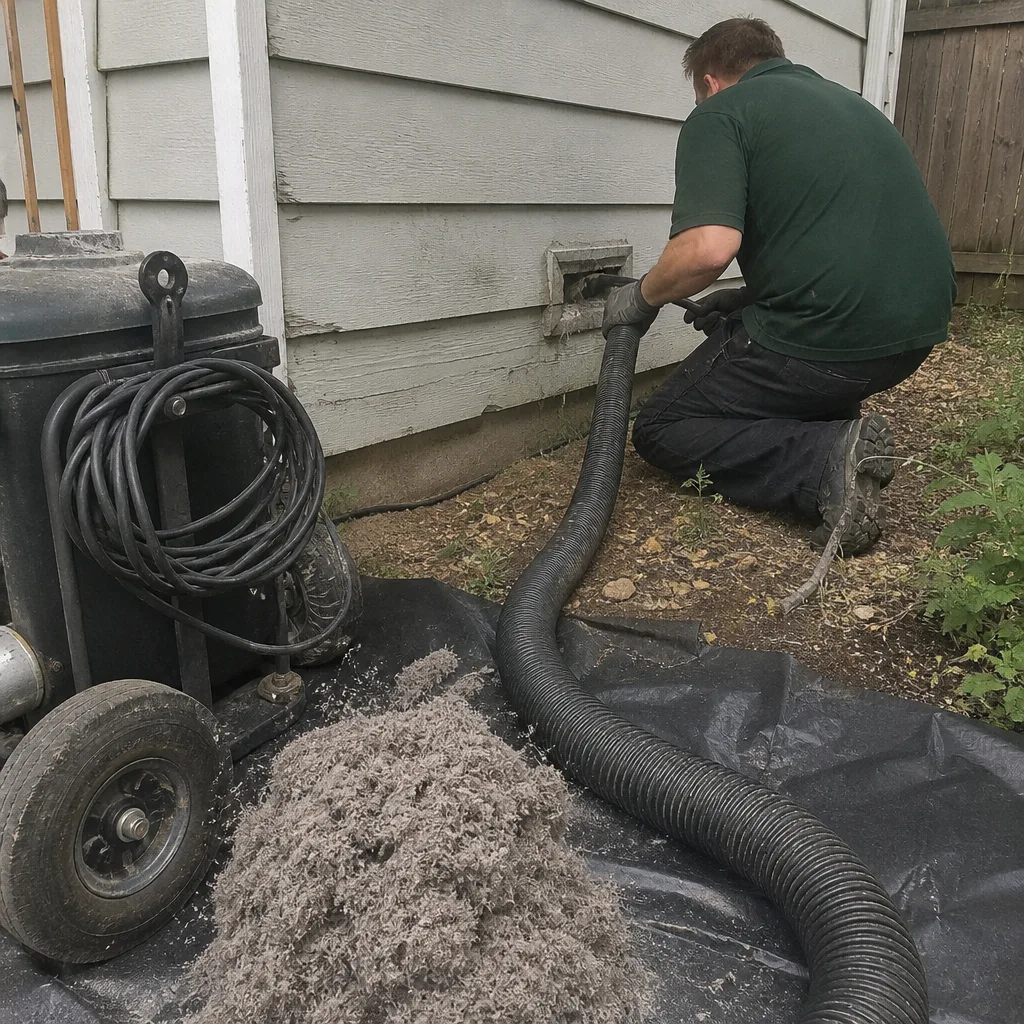 Before
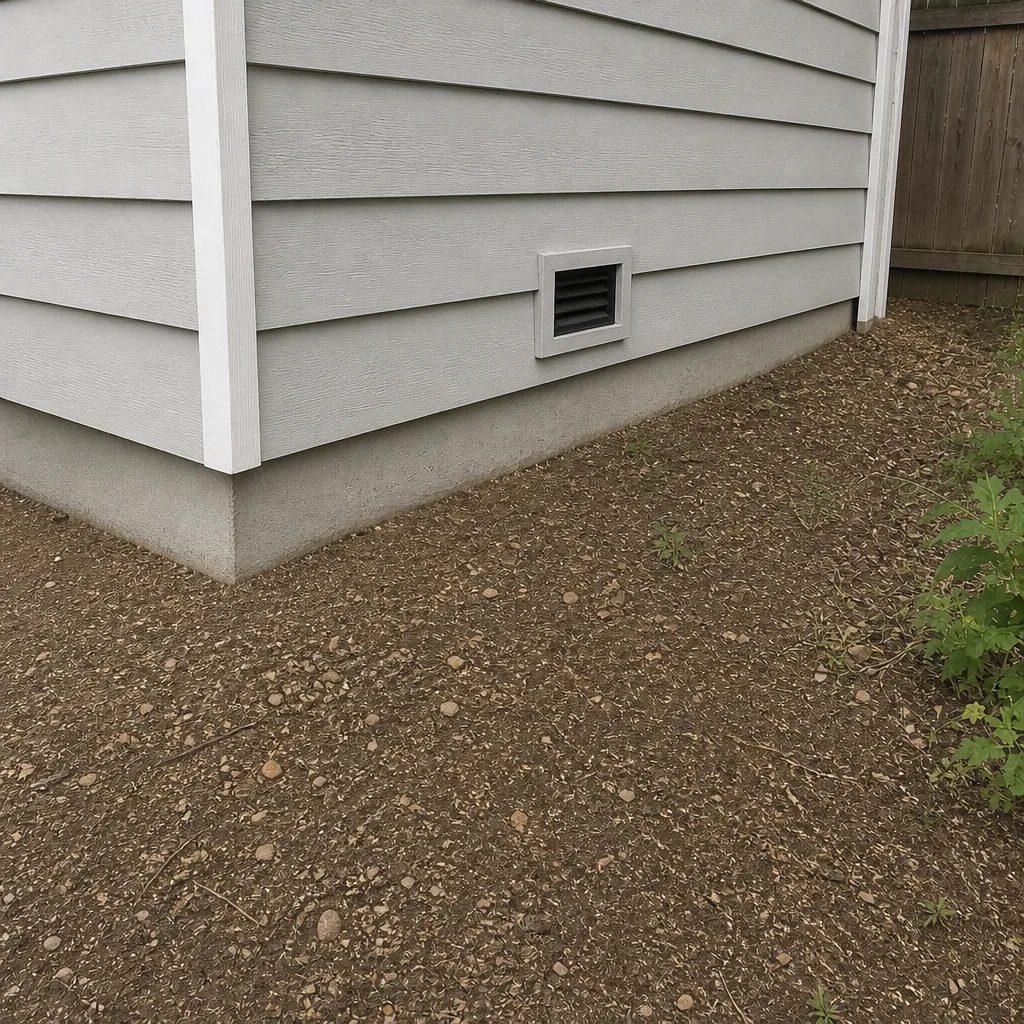 After
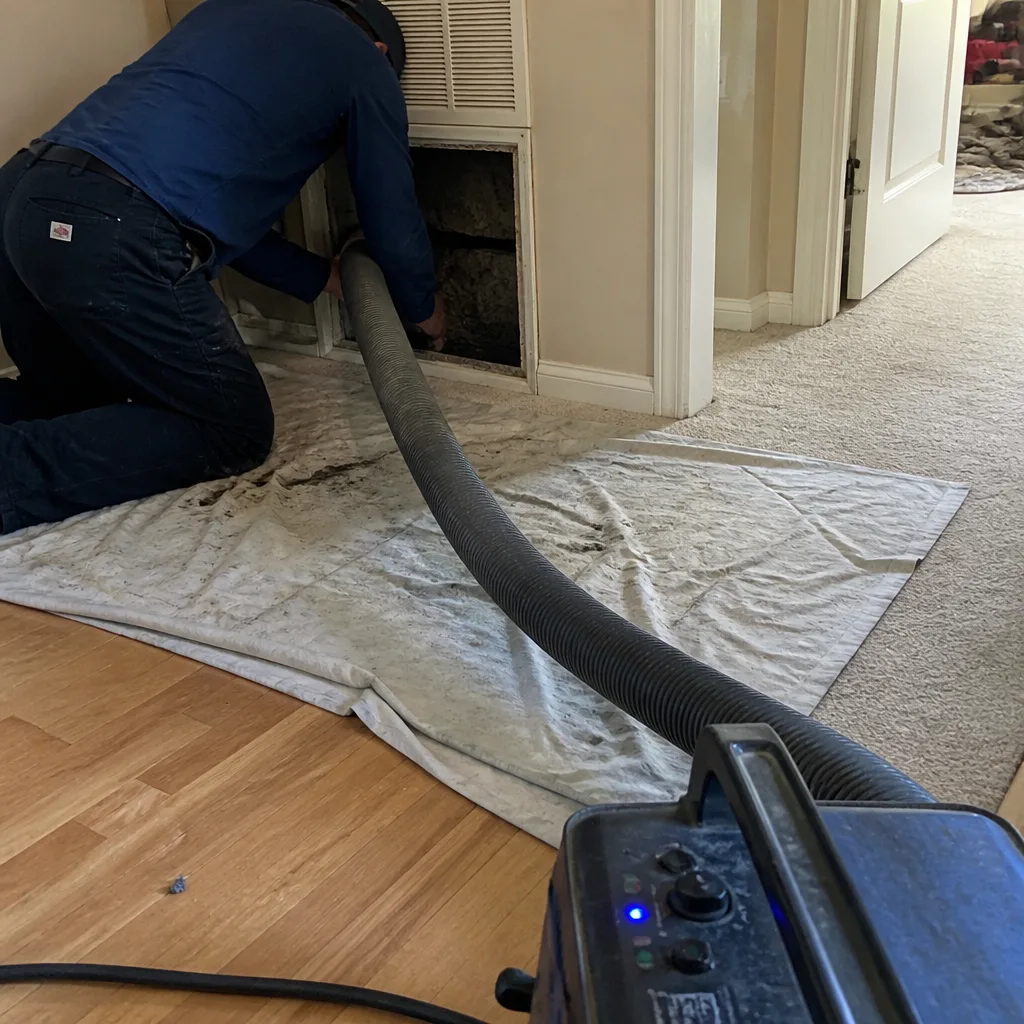 Before
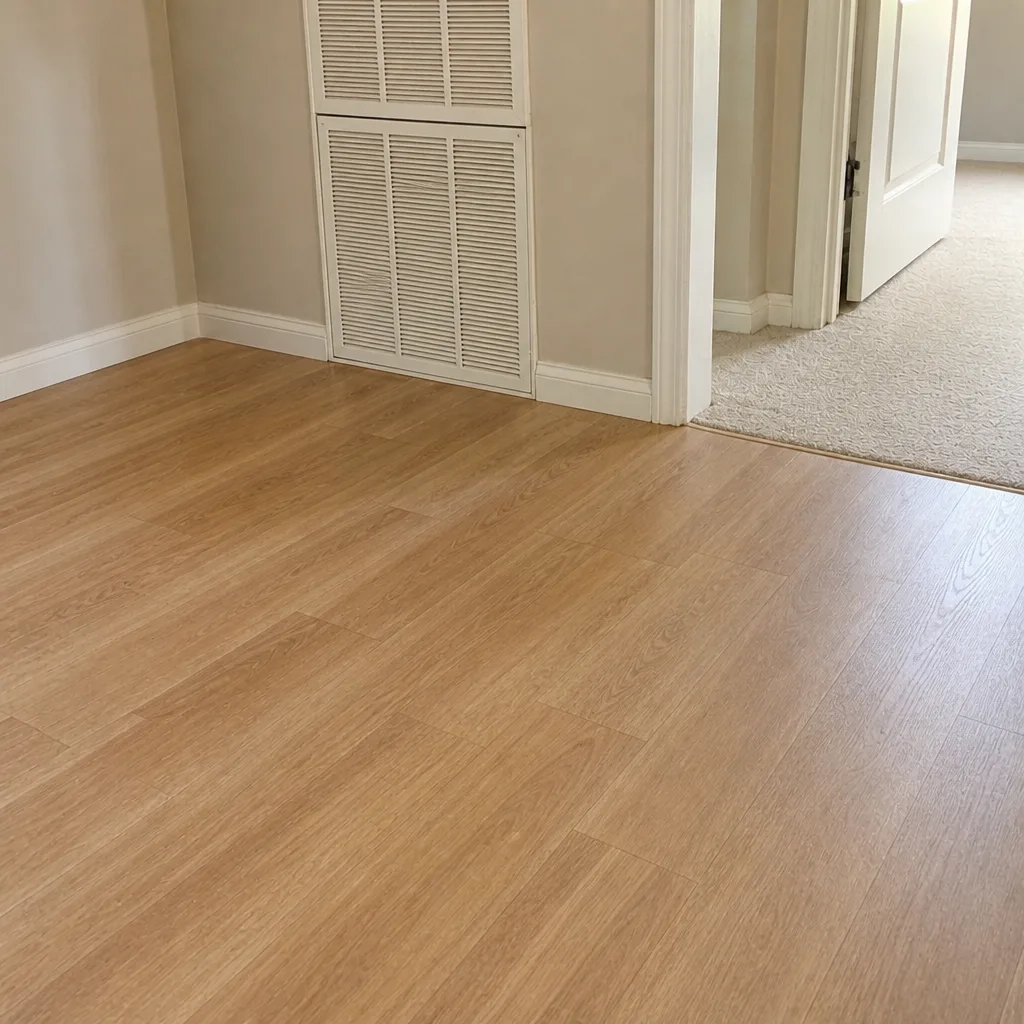 After
When to Call a Professional
Call a professional when the checklist shows change you can’t explain: a musty odor that survives a filter change, visible dust blowing from a register, weak airflow at the far end of the house, or any sign of moisture near a vent. Call sooner if you’ve just bought an older Puyallup home and don’t know the duct history, or if you’re renovating and worried about construction dust. And call for the annual interior cleaning, because the duct walls, coil, and blower aren’t reachable from a ladder. Puyallup Air Duct Cleaning Pros offers free estimates in Puyallup. Call (855) 658-5273. We answer 24/7. Fast dispatch from 7am to 7pm, Sunday through Friday. We repair what we find, so a leaking joint or a damaged run of duct gets fixed rather than just cleaned and left. Every job is one flat price per system, agreed before work starts, and you get before-and-after photos of your own ducts when we’re done. The local pro is licensed and insured as their state requires.
Frequently Asked Questions
Most Puyallup homes do well with a professional cleaning every few years, with annual inspections in between, but the right interval depends on your filter habits, pets, recent renovations, and whether anyone in the house has allergies. Homes with pets, kids, or a recent remodel may need attention more often. Call (855) 658-5273 for a free estimate and an honest read on your system.
You can and should handle the visible parts yourself: filters, register inspections, grille cleaning, quarterly photos, and the log. The interior duct walls, blower, and evaporator coil need professional equipment to reach and clean safely. Doing the homeowner half well is what keeps the professional half infrequent. Call (855) 658-5273 when the checklist says it’s time.
A very cheap quote usually reflects a quick pass with light equipment, sometimes just a shop vac at the registers, without real agitation or extraction of the duct interior. That misses the buildup that matters and can even spread dust around. A proper job uses machines built for the work, like the Rotobrush and Nikro systems we use, and produces before-and-after photos so you can see what was removed. Call (855) 658-5273 for a transparent estimate.
Ask for before-and-after photos of your own ducts, taken on site. Any credible crew documents the work this way, because the difference is visible and the photos are the proof. If a proposal doesn’t include that, ask why. Call (855) 658-5273 and we’ll show you what we find and what we removed.
Yes. Higher indoor humidity during the rainy season lets dust and organic debris cake onto duct surfaces and start to smell, which is why musty odors show up most in the wet months. Keep your filter log current and watch for odor at registers as the season turns. Call (855) 658-5273 if the smell doesn’t clear.
Duct cleaning addresses the ductwork itself, while HVAC cleaning covers the components the ducts connect to, like the blower wheel and the evaporator coil. A complete annual service usually touches both, because a clean duct feeding a dirty coil still delivers dirty air. Call (855) 658-5273 to book both together.
The Bottom Line
A duct maintenance checklist works because it turns a hidden system into something you can watch. Monthly filter and register checks, quarterly return inspections with photos, and an annual professional cleaning cover the whole system. The photos and the log give you a baseline, and they give a technician something real to work with. Do the small rhythms faithfully and the big remediation jobs stay rare. When the checklist shows change you can’t explain, that’s the moment to call, not the moment to wait. We’re glad to look at your Puyallup home’s system and tell you what we find. Call (855) 658-5273. We answer 24/7. Fast dispatch from 7am to 7pm, Sunday through Friday.
Written by the team at Puyallup Air Duct Cleaning Pros.