
Last updated November 25, 2026
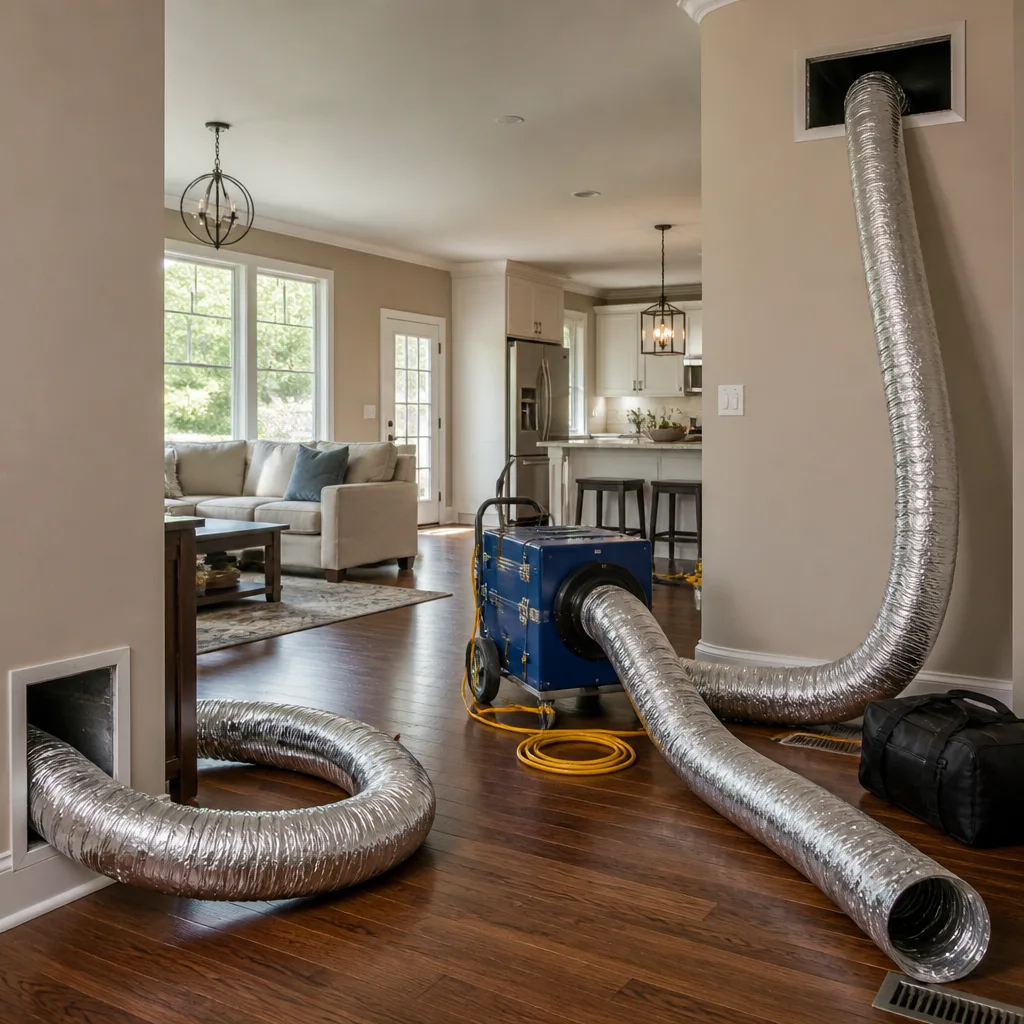 Whole-home duct cleaning
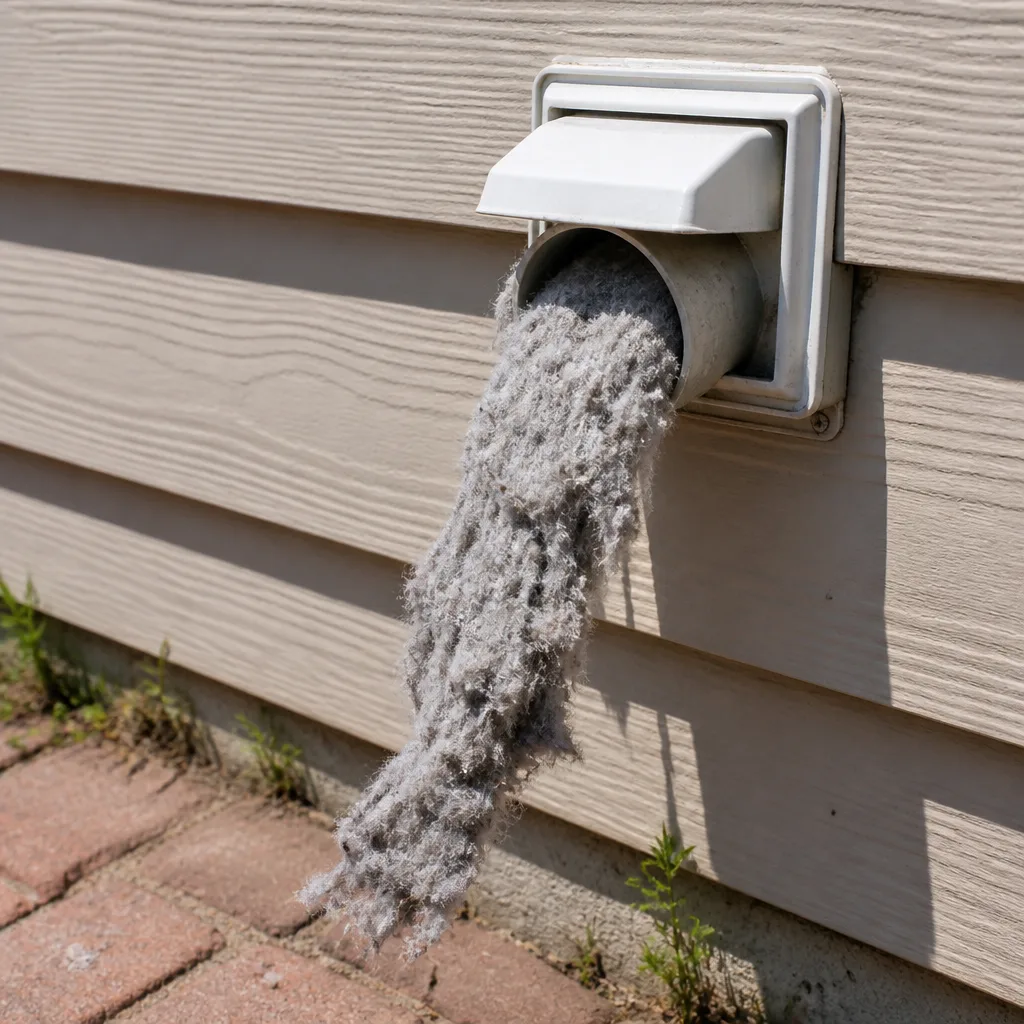 Dryer vent cleaning
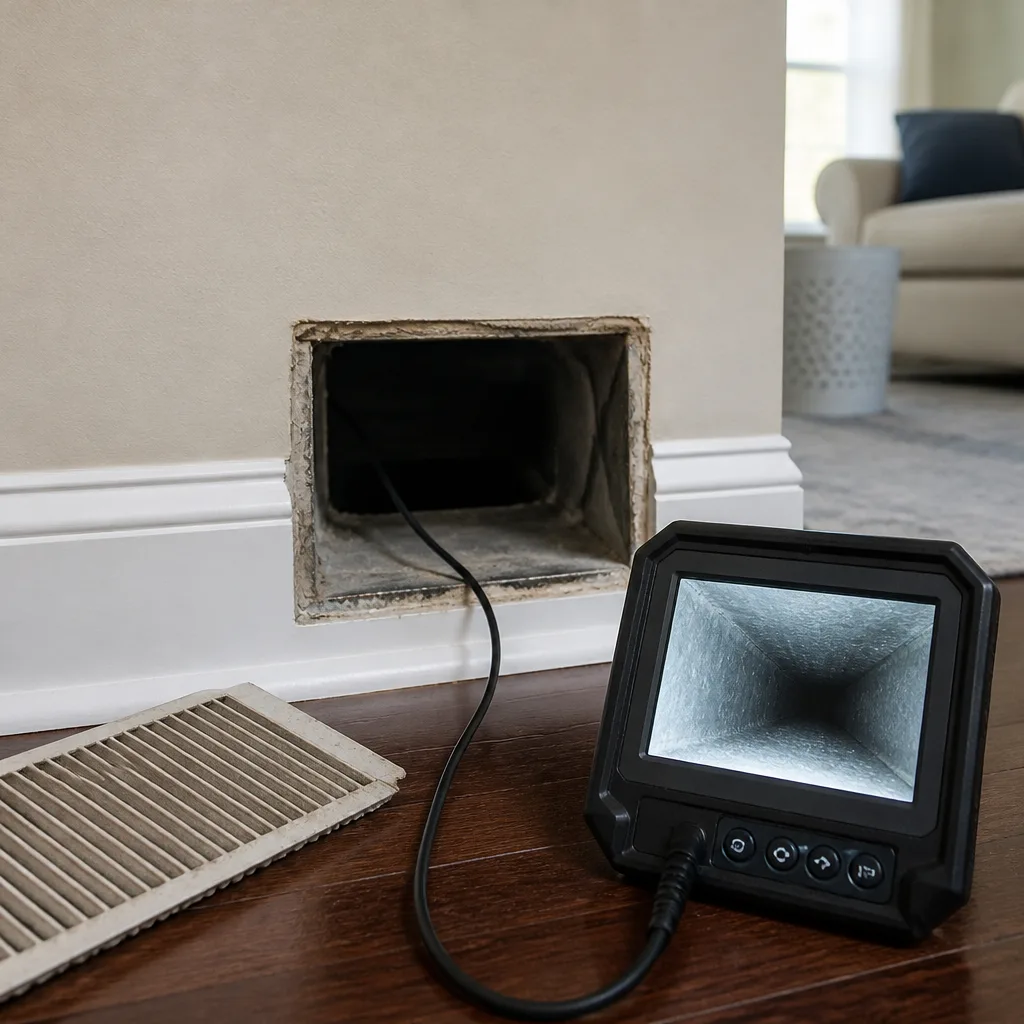 Camera inspection
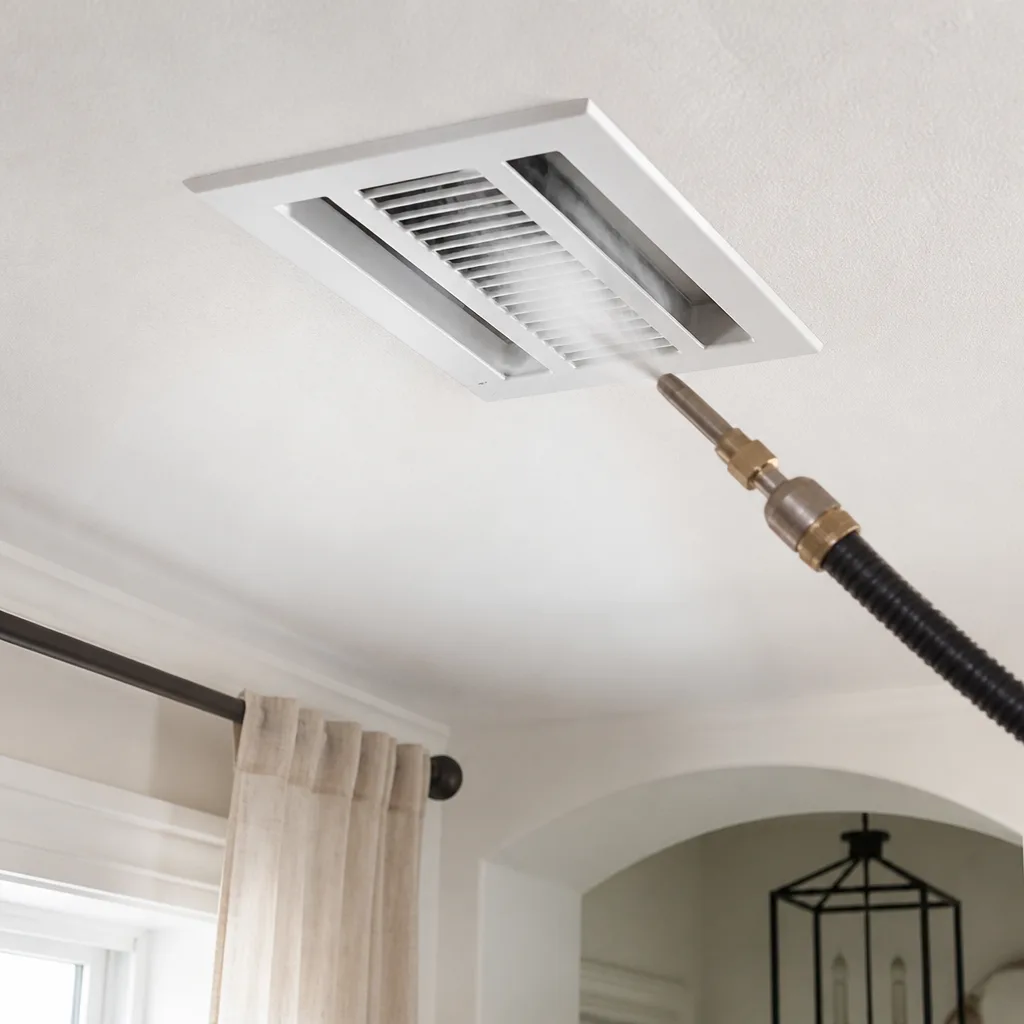 Sanitizing & deodorizing
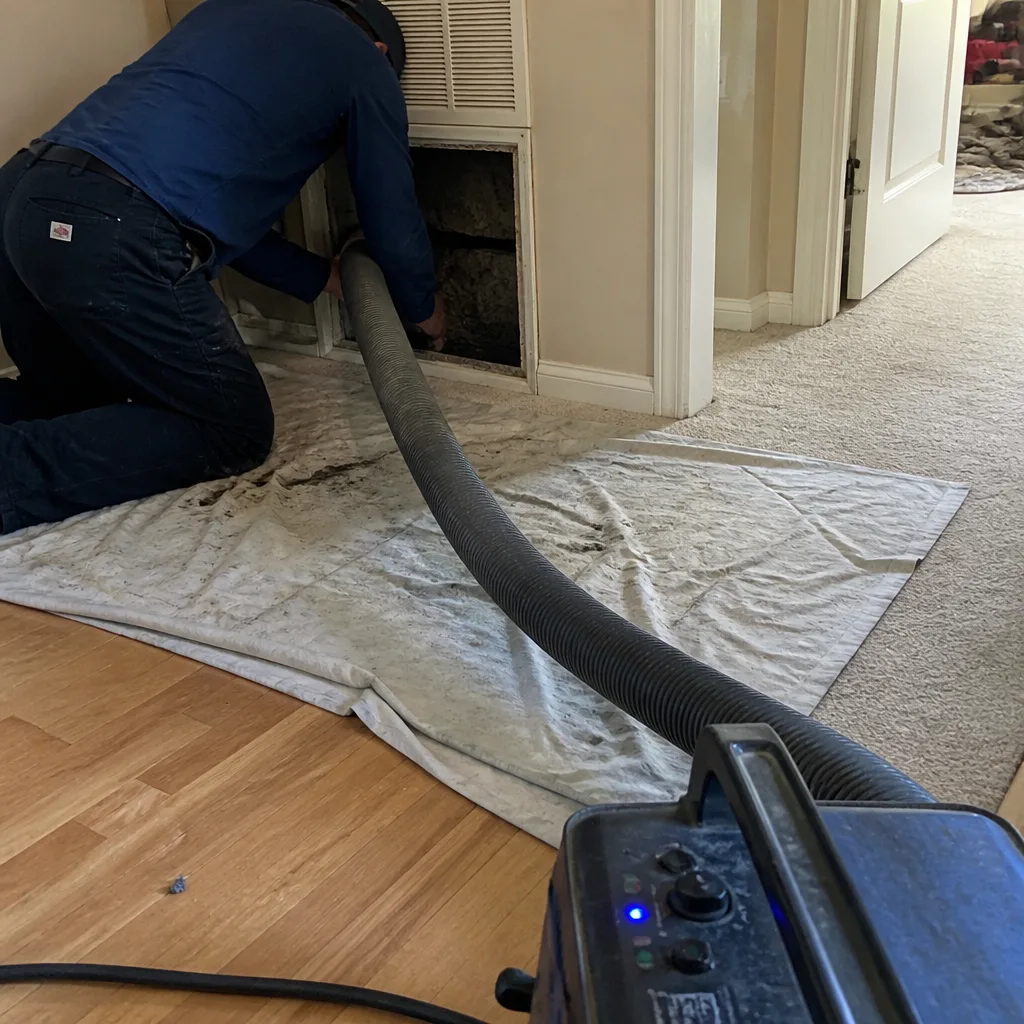
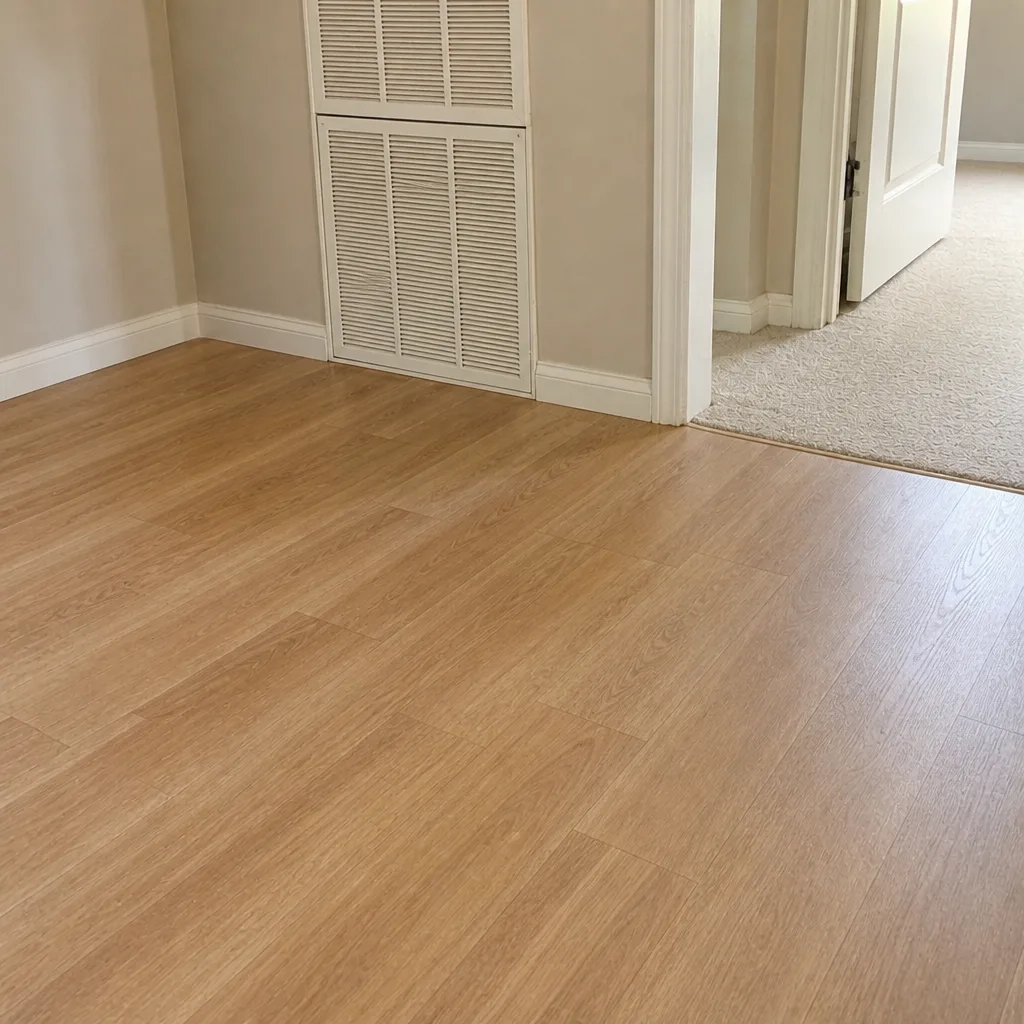
Whole-system duct and dryer vent check with before-and-after photos - you see exactly what came out of your vents
That "$99 whole-house special" is a bait ad - the real number appears once they are in your hallway, or the "clean" is a shop-vac at the register. We photograph the inside of your ducts before and after instead.
Choosing the Right Air Duct Cleaning Brand: A Buyer’s Guide for Puyallup
Two companies can both advertise “professional air duct cleaning” while running equipment with a tenfold difference in airflow and agitation capability. The homeowner watching from the hallway has no way to tell which one actually showed up, because both arrive in a plain van with hoses and a technician who sounds confident. That gap between the claim and the machine is where most Puyallup homeowners lose money. This guide is about closing that gap before anyone books a job: which equipment platforms exist and what they do, what the industry certifications actually verify, how to tell a full-system indoor air quality company from a single-service operator, and the questions that separate them in fifteen minutes on the phone. If you’re comparing companies in Puyallup, this is the frame to compare them inside.
Styles & brands we work with
- Whole-home duct cleaning
- Dryer vent cleaning
- Camera inspection
- Sanitizing & deodorizing
Quick Answer
The right air duct cleaning company in Puyallup is the one operating professional-grade agitation and extraction equipment (Rotobrush, Nikro, Abatement Technologies), trained on full-system work rather than just blowing out a trunk line, and capable of repairing the leaks and sealing the ducts it finds. Brand recognition matters far less than the equipment platform and the training behind it. Ask about the machine, the method, and what happens if the inspection turns up a problem cleaning alone won’t fix.
Table of Contents
- Why Equipment Platforms Matter More Than Brand Names
- What Rotobrush and Nikro Actually Do, and Why It Matters
- Contamination Control: Where Abatement Technologies Fits In
- What NADCA and ACT Certification Verify, and What They Miss
- Full-System IAQ Company vs. Single-Service Van
- Local vs. Franchise: The Trade-Offs in Puyallup’s Market
- How to Run a Single Inspection Call That Tells You Everything
- How to Read an Estimate Before You Commit
- Common Mistakes to Avoid
- When to Call a Professional
- Frequently Asked Questions
- The Bottom Line
Why Equipment Platforms Matter More Than Brand Names
In most service industries, the company name on the van tells you something. In duct cleaning, it tells you almost nothing, because the same company name can be applied to wildly different operations under franchise licenses or local ownership. What actually determines whether your ducts come out clean is the equipment platform the technician runs and how well they’re trained to run it. A name on a website is marketing. A Rotobrush or Nikro machine in the driveway is evidence.
Think about it this way. Duct cleaning has two jobs: agitate the debris clinging to duct walls and extract it out of the system without redistributing it into the house. Weak equipment does neither well. It knocks some dust loose and pulls a fraction of it away, leaving the fine, sticky, allergen-bearing particulate behind on the walls where it will keep cycling through the supply vents every time the blower kicks on. Contractor-grade equipment agitates with mechanical contact (rotating heads, air whips) and extracts with enough static pressure and airflow to actually move what’s been loosened.
That is why a homeowner in Puyallup comparing two quotes at the same price should not assume the two companies produce the same result. One is operating a consumer-grade shop-vac rig. The other is running commercial equipment. The first will leave more debris than it removes. The second can document what came out with before-and-after photos of your own duct runs.
- Company size says nothing about equipment grade. A small local operation can run top-tier machinery; a large franchise can subcontract to whoever is available.
- Video inspection is part of the equipment, not a marketing add-on. If the technician can’t show you the inside of the ductwork, the cleaning claim can’t be verified.
- Extraction capture matters as much as agitation. A HEPA-filtered negative-air setup keeps the dislodged debris from blowing into living space while the work happens.
- Air volume is measurable. Ask what the system’s airflow and lift ratings are, and whether the machine is designed for residential trunks or sized down for portable use.
For homeowners who want the plain-language version of what a proper cleaning job looks like from start to finish, our air duct cleaning page walks through the process in detail. The point here is narrower: equipment capability sets the ceiling on how clean your ducts can get, no matter how careful the technician.
What Rotobrush and Nikro Actually Do, and Why It Matters
Most homeowners have never heard of Rotobrush or Nikro, and there’s no reason they should. They’re equipment makers, not consumer brands. But those two names appear repeatedly in this trade for a reason, and knowing what each system does turns the equipment question from a vague “do you have good machines?” into something concrete you can evaluate on a call.
Rotobrush
Rotobrush is the platform many residential duct cleaners build their service on. Its core is a rotating brush head on a flexible shaft that is fed through the ductwork, mechanically scrubbing the walls where dust and debris accumulate, attached to a high-volume vacuum that captures what the brush loosens. The agitation is physical contact, not just airflow. That matters most in ducts lined with years of accumulated dust that has bonded to the metal or flex duct surface – a very common situation in Puyallup homes where the HVAC system has run unserviced for a decade or more. A brush that touches the wall removes what an air-only system leaves behind.
Nikro
Nikro is the other major platform, known for contractor-grade vacuum and filtration equipment and for the air-whip and negative-air components that pair with mechanical agitation. Where Rotobrush leans into the rotating brush, Nikro systems often combine high-CFM negative air (pulling the whole system into a vacuum state so dislodged debris leaves rather than settles) with compressed-air whips that knock material off branch-line walls and corners. The negative-air approach is what keeps the work from turning into a dust storm in your living room.
Why the pairing matters
A serious full-system clean usually runs both: mechanical agitation on the duct walls plus strong negative-air extraction to move the loosened debris to a HEPA filter outside the breathing zone. A company running one without the other is doing half the job. When you call any duct cleaning company in Puyallup, ask which equipment platform they use and whether it’s Rotobrush, Nikro, or a comparable contractor-grade system. If the answer is “we have professional equipment” and nothing more specific, that’s a tell.
Our own technicians have up to 11 years of experience working with Rotobrush and Nikro systems in residential settings, and we use both because they do different things well. That’s the level of specificity you should expect from any company you hire.
Contamination Control: Where Abatement Technologies Fits In
Cleaning a duct system without containment is like sanding a wall without a drop cloth. You loosen the material, and then it goes somewhere – usually into the room the ducts were supposed to serve. This is the piece most homeowners don’t think to ask about, and the piece that separates remediation-standard operators from one-service operators.
Abatement Technologies is a name most homeowners recognize from the remediation industry rather than the duct cleaning industry. Their air-filtration and negative-air equipment is built for containment – the goal of keeping contaminants from spreading from the work zone into the occupied space. Requiring that grade of equipment on a duct cleaning job is a standard above what typical duct cleaners operate with.
What this means in practice for a Puyallup home:
- Dislodged debris gets captured, not redistributed. Strong negative-air filtration at the extraction point keeps fine particulate from escaping into the air you’re about to breathe.
- Dusty homes and mold-prone systems stay isolated. If the system has visible growth, contamination control is not optional, it’s the whole job.
- Sanitizing has to come after cleaning, not replace it. A spray-on sanitizer applied to a still-dirty system is wasted product. Cleaning first, then a documented antimicrobial treatment (we use Guardsman-brand products for this step) is the order that actually works.
The broader point is that contamination control is not a premium upgrade you should be sold. It’s the difference between a cleaning job done at remediation standards and a cleaning job that just moved dust around. If a Puyallup homeowner tells a company the ducts smell musty or a family member has been reacting to the air, that company should be reaching for containment equipment, not a bottle of deodorizer.
What NADCA and ACT Certification Verify, and What They Miss
NADCA (the National Air Duct Cleaners Association) is the primary trade body for this industry, and ACT (Air Systems Cleaning Specialist) is its technician certification. These are real signals and worth checking. But too many homeowners treat them as the whole picture when they’re one piece of it.
What NADCA membership and ACT certification actually verify
- The company has committed to a published standard of care. NADCA membership requires adherence to the association’s assessment, cleaning, and restoration standards, which give a defensible baseline for what “cleaned” means.
- The certified technician has passed a written exam covering HVAC systems, contaminant types, cleaning methods, and safety protocols.
- The company has a continuing-education requirement attached to membership, so current practice is at least nominally tracked.
What they don’t cover
- Equipment grade. A certified company can still run consumer equipment. Certification doesn’t tell you which machine arrives.
- Training depth of the crew on the job. The certified person may be in the office; the person in your crawlspace may be untrained.
- The post-cleaning verification standard. Whether before-and-after photos are taken, whether the job is documented, whether problems are diagnosed is a company policy, not a certification requirement.
- Warranty and accountability. Certification doesn’t tell you what happens if the work is incomplete.
So the right use of NADCA and ACT is as a floor, not a ceiling. Ask about it, then keep asking about equipment, photographic proof, and what adjacent services the company can bring if the inspection turns up something bigger than dust. For Puyallup homeowners dealing with an old system in a house that has seen multiple remodels, that “bigger” almost always shows up eventually.
Full-System IAQ Company vs. Single-Service Van
Here’s the scenario we see most often in Puyallup: a homeowner books a duct cleaning, the technician arrives, and within twenty minutes finds something the homeowner didn’t know they had – a crushed flex run in the crawlspace, a disconnected return, a dryer vent stuffed with lint, or a blower assembly caked in dust that’s been quietly throttling airflow for years. A single-service van can only clean and leave. A full-system indoor air quality company can address what it finds.
A full-system provider runs a coordinated set of services that all point at the same outcome – cleaner air from the vents. That means:
- Air duct cleaning to remove accumulated debris from the supply and return network.
- HVAC cleaning to address the components the ducts feed – coils, blower, drain pan, and interior air handler surfaces where biological growth tends to start.
- Duct repair and sealing to fix leaks, disconnected joints, and crushed or torn runs cleaning alone can’t solve, then seal the system so it actually delivers conditioned air where it’s meant to go.
- Dryer vent cleaning as a separate safety service, because lint buildup in the dryer line is a fire risk independent of what’s happening in the HVAC system.
- Sanitizing and IAQ upgrades so that after the system is clean, filtration and humidity control can be improved with systems like Honeywell or Aprilaire if the goal is long-term air quality, not just a one-time reset.
The reason this matters at selection time is that cleaning is the moment when problems surface. A full-system company can diagnose the crushed run and fix it. A single-service van has to sell you a follow-up visit or hand you the number of someone else. Neither outcome is what you want when you hired a specialist. When the cleaning turns up a problem, you want to hear “we repair what we find,” not “we’ll send someone out for that next week.” That is the concrete case for using an indoor air quality specialist in Puyallup whose service list is broad enough to close the loop.
Local vs. Franchise: The Trade-Offs in Puyallup’s Market
Puyallup sits in the Puyallup River valley south of Tacoma, and the housing stock along the valley floor – from the older neighborhoods near downtown out through South Hill and toward the edge of the valley – is a mix of mid-century builds with original metal ductwork, 1980s and 1990s homes with flex runs in the crawlspace, and newer construction on the hill with tighter envelopes and modern HVAC. Each of those has different duct problems. That variety is why the local-versus-franchise question is more interesting here than it might be in a market with more uniform housing.
What national franchise standards enforce
- Brand-consistent procedure. Training materials apply the same across locations, which is a baseline.
- National pricing framework that can be predictable and comparable.
- Consumer recourse through a national brand’s complaint process.
What they can’t control at the local operator level
- Which equipment actually shows up in the driveway. The franchise doesn’t roll a machine; the local owner does, and equipment investment varies widely by operator.
- Technician experience with your specific housing type. A crew that has cleaned hundreds of Puyallup valley homes understands the crawlspace layouts, the humidity patterns, and the common duct failures in this market. A crew rotating through a franchise schedule may not.
- Who the local crew is, how long they’ve been doing this work, and whether the certified person is the person at your door. That’s a local personnel question, not a brand question.
- Whether the franchise location has the adjacent capabilities – duct repair, sanitizing, HVAC component cleaning – or just the branded core service.
The honest take: neither local nor franchise is inherently better. What’s better is a local operator whose equipment platform is verifiable, whose technician experience is concrete, and whose service list covers the work that follows cleaning. That combination is the one to look for in Puyallup, and it’s what we’ve built our service around – not because local is automatically superior, but because an operator that can respond to the actual conditions in a Puyallup crawlspace is going to solve more problems than one that can’t.
How to Run a Single Inspection Call That Tells You Everything
You don’t need three separate appointments to compare companies. One well-run inspection call – by a company you’re seriously considering – tells you more than three phone quotes, provided you ask the right things. Here’s the sequence we suggest for Puyallup homeowners evaluating anyone in this market.
- Ask which equipment platform they run on the inspection. Rotobrush, Nikro, or a comparable contractor-grade system. Ask what negative-air containment they use during service (Abatement Technologies, HEPA filtration, or another documented system). If they can’t name it, that’s a real signal.
- Ask who is coming to the house and how long they’ve been doing duct work. You want a specific answer about technician experience, not a company tenure claim. Our technicians have up to 11 years of experience; whatever number the company you’re calling gives you, you want it applied to the technician, not to the company’s marketing.
- Ask what the inspection itself involves. A proper inspection uses a camera to look inside the trunk and at least a sample of branch runs, checks the air handler, and looks at accessible flex duct in the crawlspace or attic. If the “inspection” is a walk-through with a clipboard, it’s not an inspection.
- Ask what happens if they find something cleaning won’t fix. Duct repair? Sealing? HVAC component cleaning? If the answer is “we’ll let you know,” ask who does that work and whether the same company can handle it.
- Ask what documentation you’ll receive. Before-and-after photos of your own ducts, not stock photos – that’s the professional standard. If they can’t commit to that before the job, don’t book it.
- Confirm the pricing structure. One flat price per system, agreed before work starts, based on the system’s size and configuration – not per-vent pricing that inflates as they walk through the house.
- Ask about dryer vent cleaning. If they’re already in the duct system, the dryer vent is the other airflow path in the home carrying fire risk. Whether they offer it is a useful window into how they think about the whole house.
That’s a fifteen-minute call if the person on the other end is knowledgeable and a warning sign if they’re not. The companies worth hiring will answer every one of those questions plainly.
How to Read an Estimate Before You Commit
Pricing in this trade is where the bait-and-switch reputation earned its keep. Coupon pricing for a number that turns out to be one vent, upcharges revealed once the technician is on site, and per-vent pricing that becomes an invented floor plan mid-visit are all common enough that a homeowner should treat any quote that isn’t a flat price per system as a red flag.
- One flat price per system, in writing, before work starts. Not per vent. Not a base price plus additions. The written estimate sets the final price.
- The estimate should reflect the actual configuration – number of systems, approximate square footage served, and whether the system is accessible or difficult (crawlspace, attic, tight mechanical closet).
- Ask whether the price includes HVAC component cleaning or just the ducts. Some companies quote duct cleaning only and then add blower and coil cleaning once they’re on site.
- Ask what’s included in the sanitizing step if it’s offered – product, application method, and whether it’s applied after cleaning.
- Ask whether duct repair or sealing findings would be priced separately. They usually are, and they should be, because they’re separate scope. But you should know that before the technician finds a crushed run.
- Avoid “one-price-for-every-house” quotes given over the phone without any information about the system. Those prices aren’t real estimates – they’re teasers.
For a deeper breakdown of what a full job involves and what affects the number, the HVAC cleaning page covers the component side. The pricing principle, though, is simple: a company that gives you a flat price for the whole system and stands behind it with documented proof is answering the objection directly. A company that can only quote per-vent or per-hour pricing is telling you something about how the invoice is going to grow.
Common Mistakes to Avoid
- Choosing on coupon price alone. A price that’s materially lower than everyone else’s is paying for a smaller machine and less time. You’ll pay for the difference in dust that never leaves the system.
- Not asking which equipment. The single most useful question in this trade and the least asked. If the company can’t name the platform, assume consumer-grade and move on.
- Booking over the phone with no inspection. Puyallup housing varies a lot – valley-floor mid-century homes have different ductwork than newer South Hill construction. A crew that hasn’t looked at the system is guessing, and the guess lands on your invoice.
- Treating certification as the whole answer. NADCA membership and ACT certification are meaningful but don’t tell you which equipment arrives or who shows up. Keep evaluating after that box is checked.
- Ignoring the crawlspace after cleaning. A cleaning that turns up a disconnected flex run and leaves it disconnected is a wasted job. If the company can’t repair what it finds, the cleaning is incomplete.
- Forgetting the dryer vent. A dryer vent stuffed with lint is a fire risk independent of the HVAC system. Many duct cleaners skip it because it’s a separate line item – ask whether it’s part of their service.
- Accepting “before and after” from a photo folder on the tech’s phone. You want photos of your own ductwork from this visit, not a brag gallery. Ask to see the ones shot inside your home before the technician packs up.
When to Call a Professional
You don’t need an annual cleaning if your system is in good shape and there’s no evidence of a problem – that’s a marketing claim, not a medical one. But there are clear signals that it’s time to have the system evaluated. Persistent dust on surfaces shortly after cleaning, musty or stale odor when the HVAC fan runs, allergy or asthma symptoms that worsen indoors, a recently purchased home with unknown service history, visible debris or pest activity at the registers, or a recent remodel that pulled dust through the return are all triggers. So is any dryer that takes noticeably longer than it used to dry a load – that points to a lint-choked vent and is a fire-safety concern, not just an efficiency one.
If any of those apply, an inspection is the right first step, and it shouldn’t cost you anything to find out what’s actually going on. Puyallup Air Duct Cleaning Pros offers free estimates in Puyallup. Call (855) 658-5273. We answer 24/7. Fast dispatch from 7am to 7pm, Sunday through Friday. If your dryer is the concern, our dryer vent cleaning page covers the safety details. Either way, start with a look at the system before you spend a dollar on the cleaning.
Frequently Asked Questions
Ask about the equipment platform (Rotobrush, Nikro, or comparable contractor-grade systems), the containment equipment used during service (Abatement Technologies or another documented negative-air setup), the technician’s experience with residential systems, and whether the company can repair and seal ductwork it finds damaged. Those four questions separate full-system specialists from single-service operators more reliably than a company name or a coupon. From there, ask what documentation the company will provide – before-and-after photos of your own ductwork are the standard. Call (855) 658-5273 for a free estimate and see how a specialist answers those questions in practice.
No. Both verify a real baseline – adherence to published standards and a certified technician’s technical knowledge – but they don’t determine equipment grade, which crew actually shows up, or whether the company can repair what cleaning turns up. Treat them as one input, then keep asking about the machine, the containment, and the documentation. A certified company using entry-level equipment will produce a worse result than an uncertified local operator running Rotobrush or Nikro systems with proper before-and-after verification. Ask both questions and weigh the answers together.
Ask one question: “If the cleaning turns up a crushed flex run or a disconnected return, can you fix it on this same job?” A full-system provider answers yes and follows with the specific capability – duct repair and sealing, HVAC component cleaning, sanitizing, dryer vent cleaning, IAQ system work with Honeywell or Aprilaire equipment. A single-service operator says something like “we’ll note it for you” or “we’ll send someone out for that.” The difference matters most exactly when the inspection finds a problem, which in Puyallup’s older housing stock is common. Call (855) 658-5273 if you want to walk through what we can handle in one visit.
Neither category is inherently more trustworthy. National franchises enforce brand-consistent procedure and pricing, and give you a national complaint channel, but they don’t control the equipment the local operator runs or the experience of the crew at your door. Local companies vary more, but the good ones bring specific local knowledge, verifiable equipment platforms, and a shorter line of accountability. In Puyallup, where the ductwork in valley-floor homes differs sharply from newer construction on the hill, local experience has a real practical value. Evaluate the operator, not the category.
A flat price per system, not a per-vent price or a teaser coupon number. The price should reflect the system’s actual configuration – number of systems, approximate square footage served, and accessibility of the trunk, branch runs, and air handler. It should specify whether HVAC component cleaning (blower, coil, drain pan) is included or priced separately, and whether the dryer vent is in scope. The written estimate sets the final price; if the tech finds something additional during the job, the pricing for repair or sealing should come as a separate written scope. For a free, written estimate call (855) 658-5273.
There’s no fixed interval that applies to every home. A system in good condition with no dust source, no pets, and no recent renovation might go many years without needing it. A home with recent renovation, visible dust at the registers, musty odors when the HVAC runs, pest activity in the ducts, or unknown service history is a different case entirely, and should be inspected sooner. In Puyallup’s valley climate with long damp stretches and older housing, we often see duct problems tied to crawlspace moisture and disconnected runs rather than simple dust accumulation. The right schedule starts with an inspection of the actual system, not a marketing recommendation. Call (855) 658-5273 for a free estimate and we’ll give you a straight answer based on what we find.
The Bottom Line
The best air duct cleaning company in Puyallup is not the biggest name or the lowest coupon price – it’s the one whose equipment platform you can verify, whose technician experience is concrete, and whose service list runs from cleaning through repair, sealing, HVAC component cleaning, sanitizing, and dryer vent safety so that the problems cleaning reveals can actually be solved. Ask about Rotobrush, Nikro, and Abatement Technologies by name. Ask who comes to the house and how long they’ve been doing this work. Ask for before-and-after photos of your own ducts. Ask what happens if the inspection turns up a crushed run. A company that answers all of that plainly is the one worth hiring in Puyallup, and a company that can’t is doing you the favor of telling you so before you spend the money.
Reach out to Puyallup Air Duct Cleaning Pros at (855) 658-5273 for a free estimate. We answer 24/7. Fast dispatch from 7am to 7pm, Sunday through Friday. One flat price per system, agreed before work begins, and photographs of your own ductwork before and after.
Written by the team at Puyallup Air Duct Cleaning Pros.
See the difference
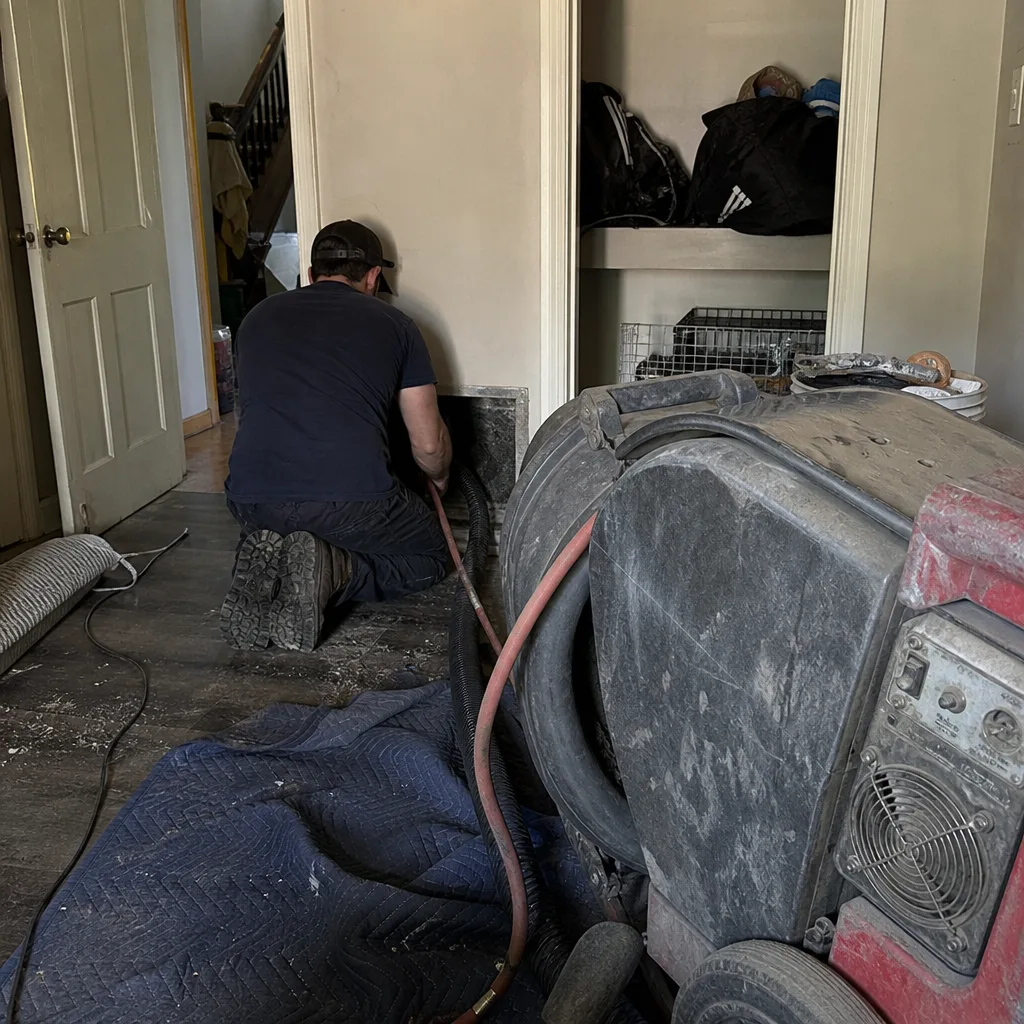 Before
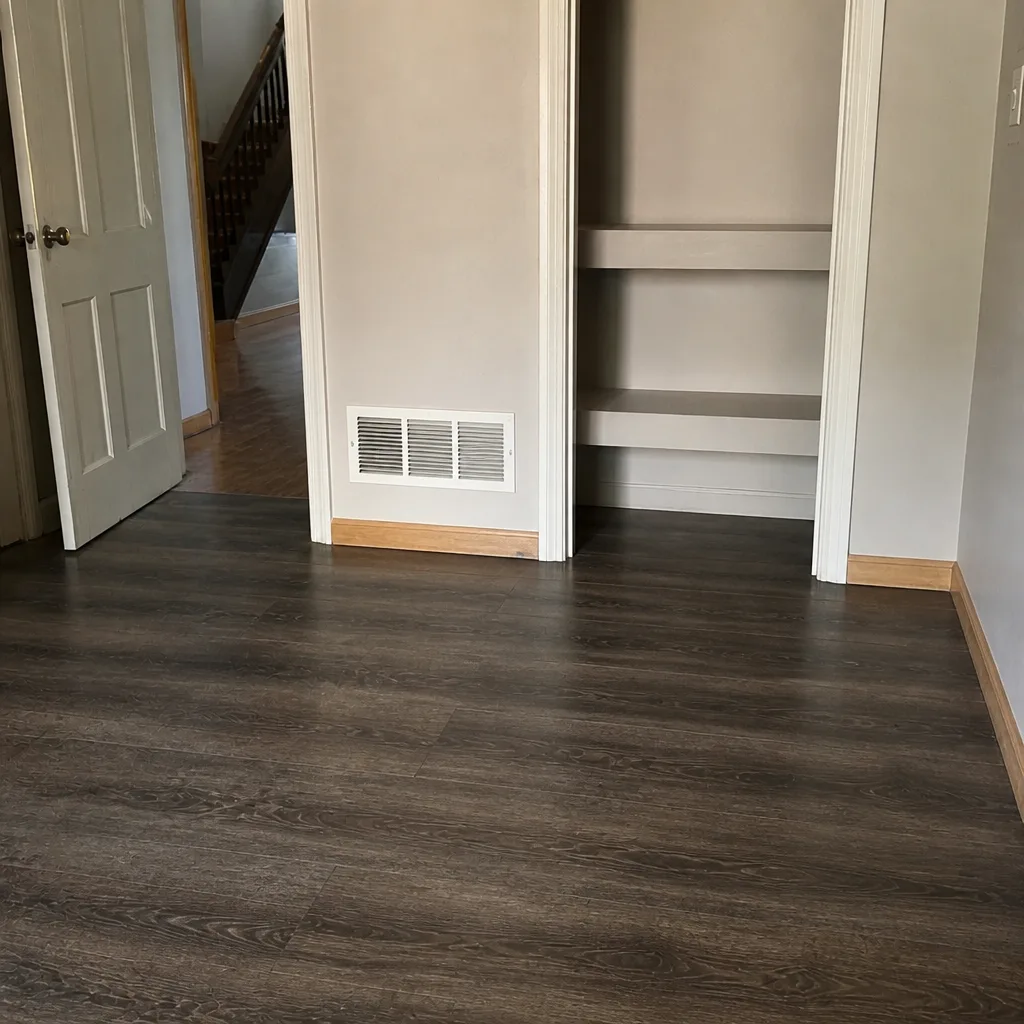 After
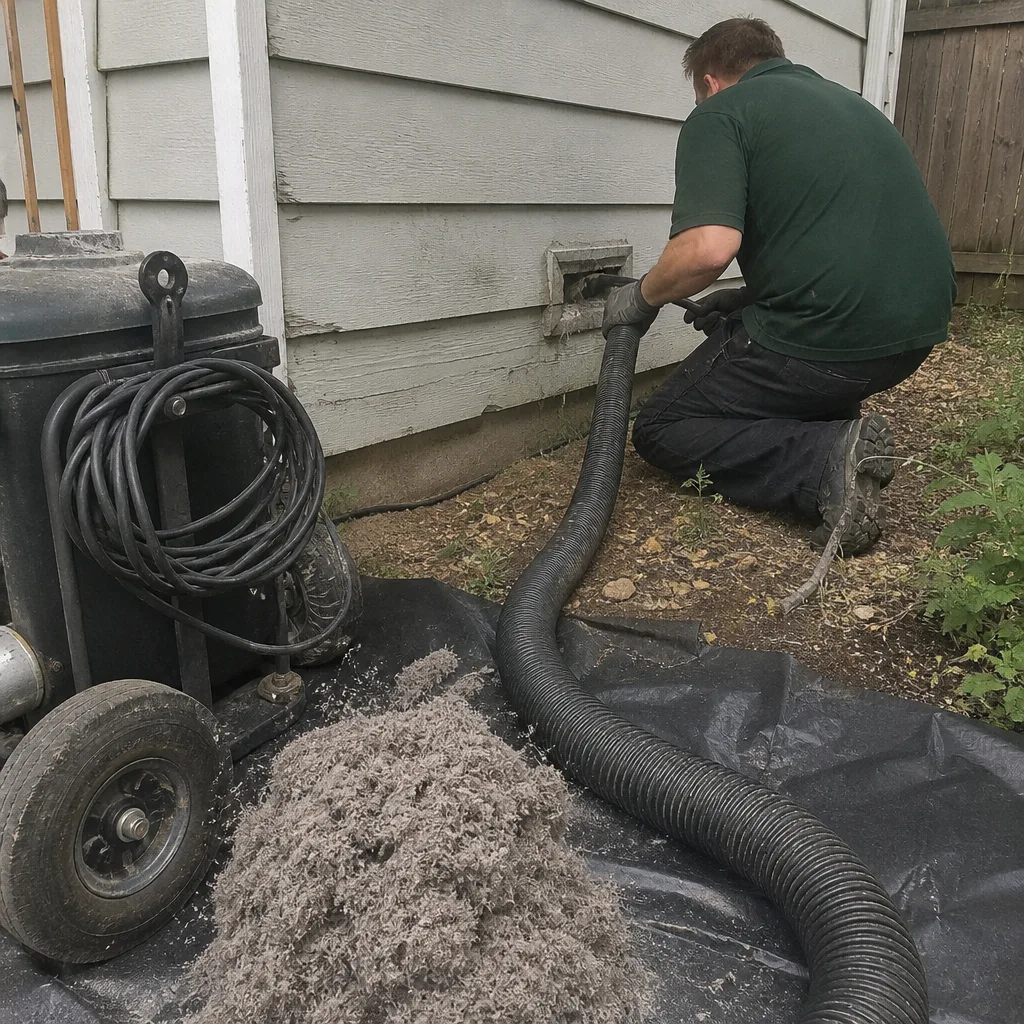 Before
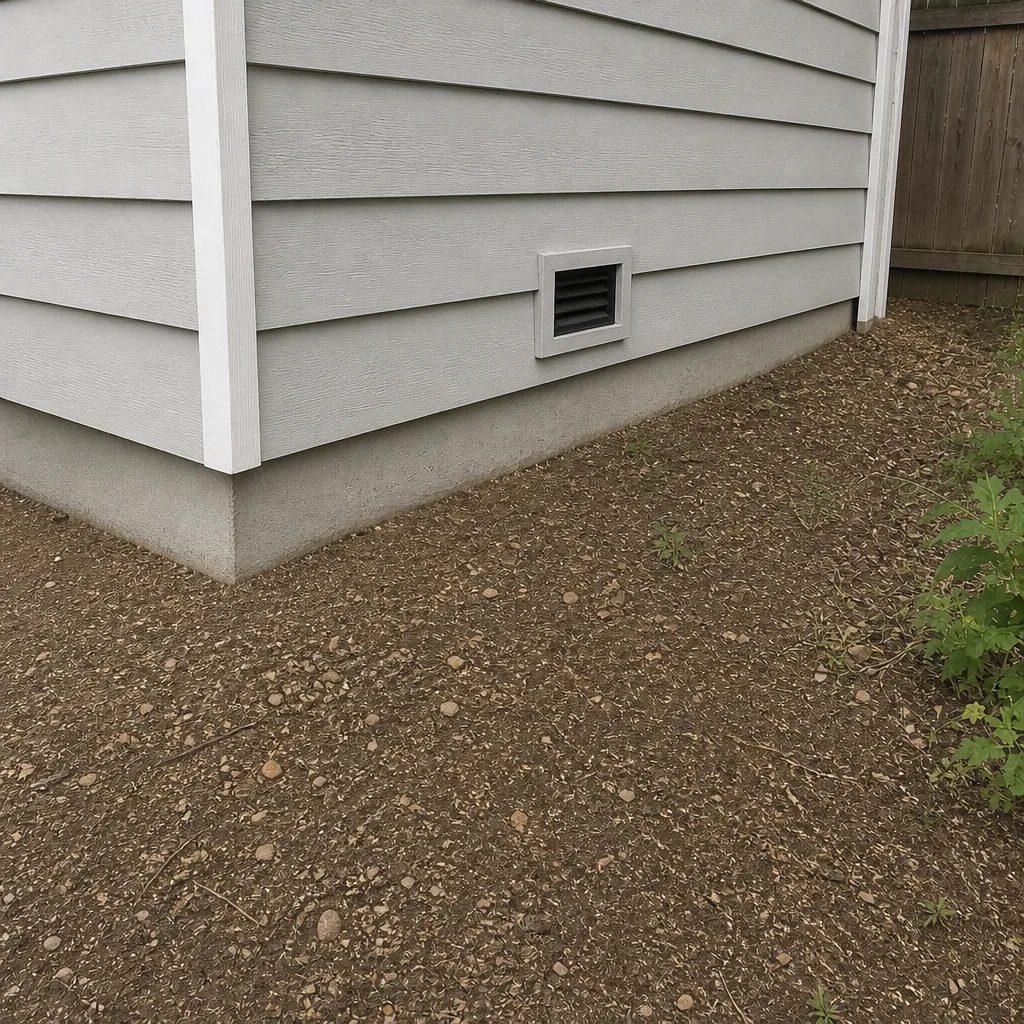 After
 Before
 After