
Last updated November 25, 2026
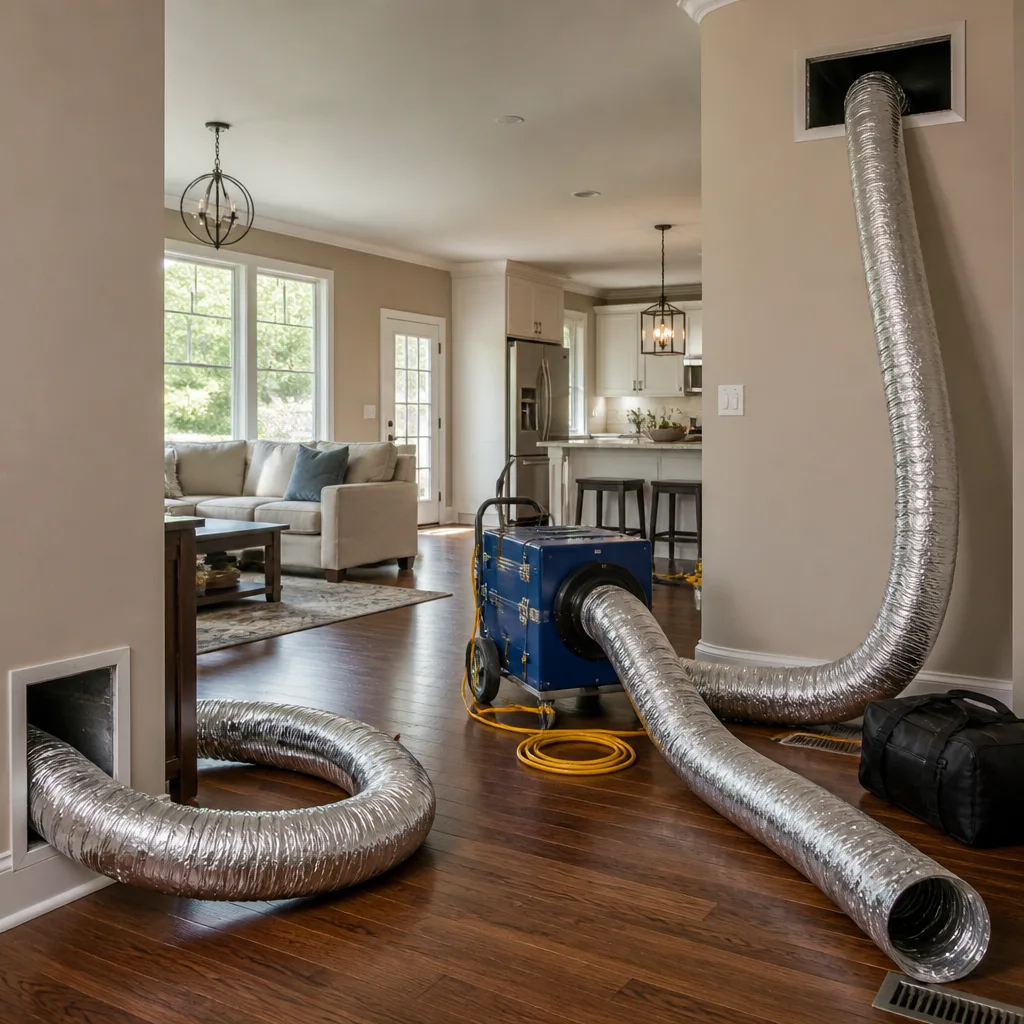 Whole-home duct cleaning
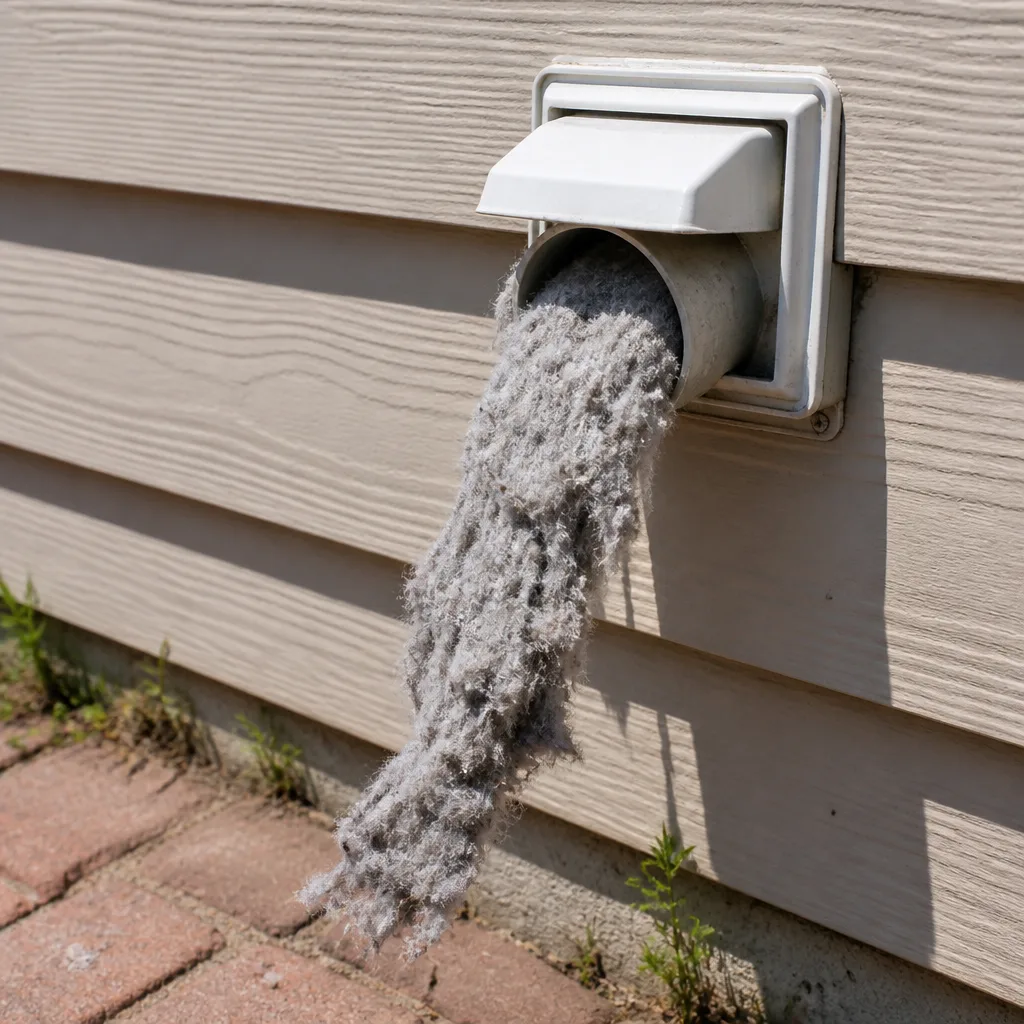 Dryer vent cleaning
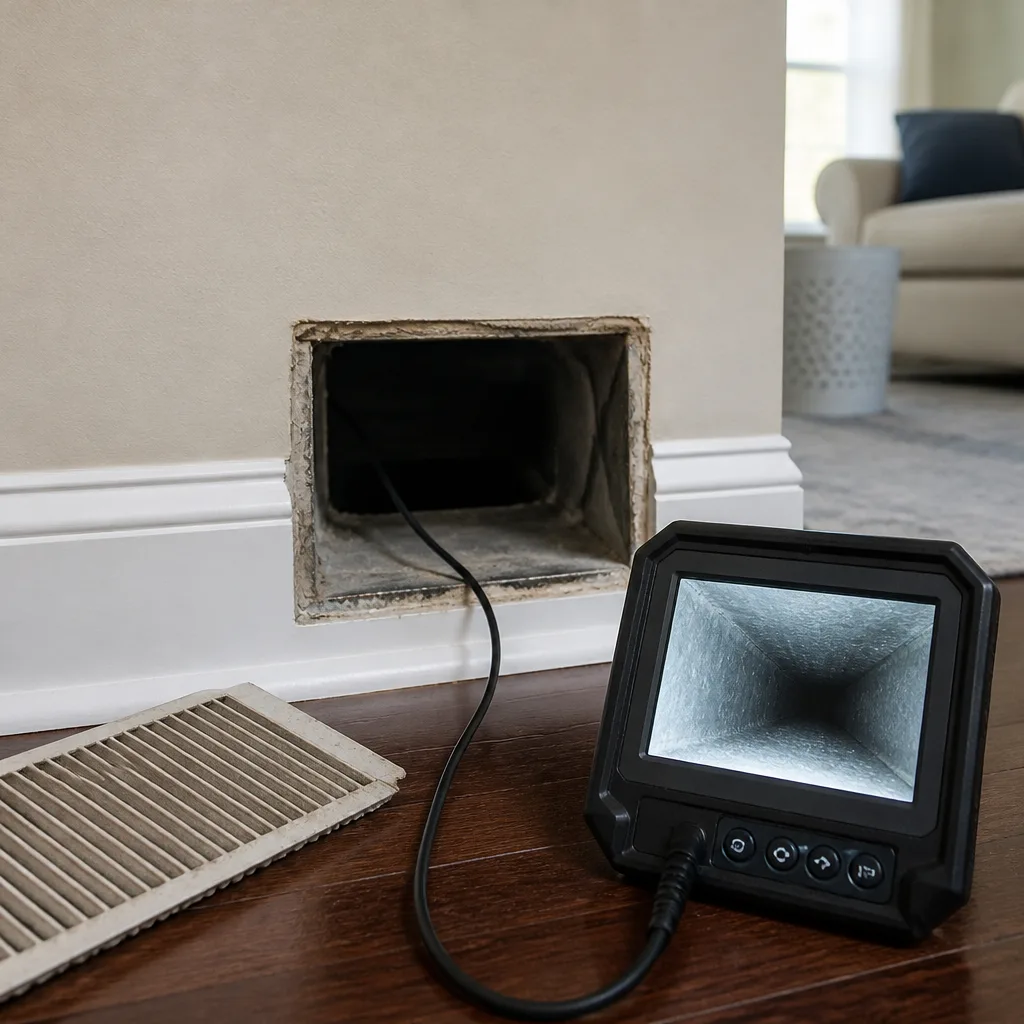 Camera inspection
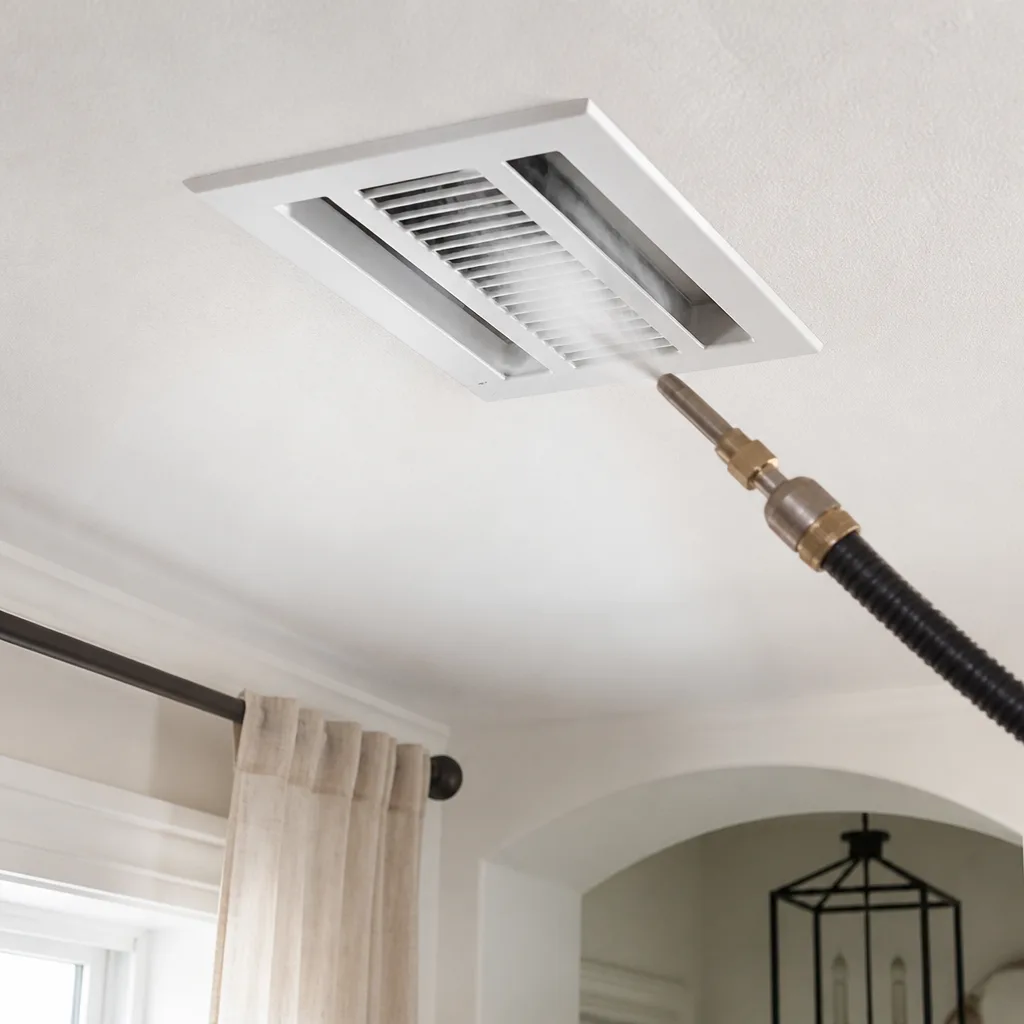 Sanitizing & deodorizing
Whole-system duct and dryer vent check with before-and-after photos - you see exactly what came out of your vents
That "$99 whole-house special" is a bait ad - the real number appears once they are in your hallway, or the "clean" is a shop-vac at the register. We photograph the inside of your ducts before and after instead.
Air Duct Cleaning Permits, Codes & Inspections in Puyallup, WA: What You Need to Know
Here’s a sentence that surprises many Puyallup homeowners: the cleaning itself almost never needs a permit, but the sealing, repair, or reconfiguration that often follows it sometimes does. People assume “duct work” is one category of service, so they treat a quick seal job the same way they’d treat a filter swap. That assumption is where trouble starts. Unpermitted mechanical work has a way of surfacing at the worst possible moment, usually during a home inspection or a resale negotiation. This guide draws a clear line between routine maintenance and regulated modification under Washington State rules, explains how the Pierce County process actually works, and gives you the exact questions to ask before you authorize duct repair or sealing in Puyallup.
Quick Answer
Routine air duct cleaning in Puyallup does not require a permit. Duct repair, sealing beyond minor patching, or any change to the mechanical system’s configuration can fall under Washington State mechanical code and may require a mechanical permit from Pierce County. The dividing line is whether the work restores the system as-is or changes it. When in doubt, ask the contractor who will pull the permit and confirm it with Pierce County’s building department before work begins.
Styles & brands we work with
- Whole-home duct cleaning
- Dryer vent cleaning
- Camera inspection
- Sanitizing & deodorizing
Table of Contents
- Where maintenance ends and mechanical modification begins
- How the Pierce County mechanical permit process works
- Washington’s ventilation rules and what WAC 173-491 actually covers
- What unpermitted duct work looks like on a home inspection report
- Why this matters at resale in Puyallup
- Questions to ask before authorizing duct repair or sealing
- How Puyallup’s climate affects duct condition
- Common mistakes to avoid
Where Maintenance Ends and Mechanical Modification Begins
The cleanest way to think about it: maintenance keeps the system doing what it already does, while modification changes how it does it. Cleaning, sanitizing, and normal filter changes are maintenance. So is replacing a length of flex duct that has torn, as long as the replacement matches what was there. Those tasks don’t change the system’s capacity, its layout, or how air moves through the house.
Modification is different. The following are the kinds of work that typically cross into mechanical code territory and may need a permit through Pierce County:
- Adding, removing, or relocating supply or return registers
- Changing duct size or routing in a way that alters system airflow or static pressure
- Sealing ductwork as part of a larger energy or mechanical upgrade where the sealing is a designed system change rather than a patch
- Connecting new ductwork to a furnace, air handler, or heat pump in a way that changes the system’s design
- Extending duct runs into a newly finished room, garage conversion, or addition
- Replacing a significant portion of a duct system rather than repairing a failed section
A good rule of thumb for Puyallup homeowners: if the work is being described as part of a project that has drawings, a scope of work, or a change to how the house is laid out, treat it as modification and expect the permit conversation. If the contractor is describing it as “your ducts are leaking, we’re going to seal the leaks and make the system work the way it was designed to,” that’s usually maintenance. The line is blurry in the middle, which is exactly why the permit question belongs in the estimate, not in the invoice.
How the Pierce County Mechanical Permit Process Works
Puyallup sits within Pierce County, and mechanical permits for residential HVAC and duct work are generally handled through the county’s building department. The process is straightforward when it’s followed and messy when it’s skipped. Here’s what the sequence looks like in practice:
- The contractor determines whether a permit is required. A licensed mechanical contractor should be able to tell you in one sentence whether the proposed work needs a permit. If they can’t, that’s your answer about whether to hire them.
- The permit application is filed. This is normally the contractor’s job, not yours. The application describes the scope of work, the system type, and the value of the project.
- The permit is issued and the work proceeds. The permit number should appear on the paperwork you receive. Keep it with your home records.
- Inspection is scheduled. Depending on the scope, a county inspector may review the work to confirm it meets mechanical code. This is the step homeowners most often don’t know exists, because the contractor handles the scheduling.
- The permit is finalized and closed. A closed permit is your proof the work was done to code.
What falls on the contractor versus what falls on you: the contractor is responsible for pulling the permit, doing the work to code, and calling for inspection. You are responsible for asking whether a permit is needed, keeping the documentation, and refusing to let unpermitted work proceed. That second part matters more than it sounds. If you authorize unpermitted modification, you own the problem.
If you’re not sure whether your project crosses the line, the county building department can answer that question directly and cheaply. A phone call before work starts is always less expensive than a phone call after.
Washington’s Ventilation Rules and What WAC 173-491 Actually Covers
Homeowners sometimes hear “Washington Indoor Clean Air Act” and assume it regulates residential duct cleaning. It doesn’t, at least not in the way people think. WAC 173-491 is Washington’s rule implementing the Indoor Clean Air Act, and its focus is indoor smoking and vaping restrictions in public places, workplaces, and within a set distance of entrances and air intakes. It’s a public-health rule about airborne contaminants from smoking, not a residential duct-cleaning regulation.
Where ventilation does enter the picture for homeowners is through mechanical code and energy code, which govern how ventilation systems are designed, installed, and altered. That’s the regulatory framework that applies when duct work is modified. The Indoor Clean Air Act matters indirectly for Puyallup because it reinforces a simple fact the code has always known: what enters a building’s air intake ends up inside it. If you’ve ever parked near a designated smoking area outside a Puyallup business and watched the HVAC intake above the door, you’ve seen the principle at work.
For a homeowner, the practical takeaway is this: don’t let anyone cite “the Indoor Clean Air Act” as the reason your residential duct cleaning needs a special permit or a special treatment. It isn’t. What governs your ducts is mechanical code, and the rules around ventilation system modification are enforced through Pierce County. If a contractor starts citing regulations at you that don’t quite fit, ask them for the code section. A legitimate contractor will know it. A salesperson won’t.
Where cleaning fits cleanly into all of this is as maintenance. Clearing accumulated dust, debris, and biological growth from the ductwork is a service task, not a code-governed modification. That’s why we can clean a full system thoroughly and still leave your permit history untouched. When the scope of duct work at your Puyallup home shifts toward repair and sealing, that’s when we slow down and ask what the system change actually is.
What Unpermitted Duct Work Looks Like on a Home Inspection Report
Home inspectors in Puyallup see a lot of duct work, and unpermitted modification has a recognizable signature. It’s rarely dramatic. It usually shows up as small inconsistencies that a trained eye reads as a story of work that was done without oversight. The most common items an inspector will flag:
- Duct connections that don’t match manufacturer standards. Tape and mastic applied in ways that don’t meet manufacturer guidance, or duct board joints without the appropriate reinforcing.
- Sized-up or sized-down runs. A duct that has been narrowed or widened to reach a new register without accounting for the static pressure change.
- New registers in rooms that clearly weren’t on the original plan. A bedroom that suddenly has a supply register and a return where the neighboring rooms don’t.
- Inconsistent materials. Flexible duct spliced into rigid duct in a way that reads as a retrofit rather than a designed installation.
- Missing or mismatched insulation on duct runs. New duct installed without the vapor barrier or insulation consistent with the rest of the system.
- No permit number on any documentation. Inspectors can’t see permits, but they can note in the report that the work appears to be an addition or modification with no corresponding disclosure.
On the report, these show up as “recommend further evaluation by a licensed mechanical contractor” or “evidence of modification, verify permits.” That single line has derailed more Puyallup closings than most homeowners realize. It’s not that the work is necessarily wrong. It’s that neither the seller nor the buyer can prove it’s right, and the buyer’s lender treats that as risk.
Why This Matters at Resale in Puyallup
In a Puyallup resale, an unpermitted duct modification usually surfaces in one of three ways: the buyer’s inspector flags it, the buyer’s agent asks for the permit history, or the appraisal notes the discrepancy. Any of these can push the negotiation into renegotiation. The seller has a choice: get the work permitted retroactively (which is possible but not always simple), tear it out and redo it, or discount the price to reflect the buyer’s perceived risk.
The cheapest option is almost always the one taken at the start: permit the work when it’s done. A closed mechanical permit is a document, and documents travel with the house. When a future buyer asks about the duct work, you hand them the permit. The conversation ends there.
This matters more in Puyallup than in some markets because Puyallup has a mixed housing stock: older homes near downtown where duct work has been added or reworked over the decades, and newer construction in the surrounding developments where the original duct system is still what’s in the walls. On a newer home, an unexpected modification reads as more suspicious, not less, because the system was designed and installed recently enough that there shouldn’t be a reason to change it. If you’re in one of the newer Puyallup developments and someone proposes adding a duct run to solve a comfort problem, ask whether a permit is needed before you say yes.
Questions to Ask Before Authorizing Duct Repair or Sealing
These are the questions we’d want a homeowner to ask us, and we’d want them to ask any other contractor proposing repair or sealing work. Ask them in this order, and write down the answers:
- Does this work require a mechanical permit? Not “might it” – does it. The contractor should be able to say yes or no with a reason.
- Who pulls the permit? If the answer is “you will,” that’s a problem. A licensed mechanical contractor pulls their own permits.
- Will you provide the permit number and final inspection record? A yes here is a strong signal. A pause is not.
- What specifically is being changed about the system? If it’s just patching leaks, that’s one answer. If it’s increasing duct size, adding a register, or re-routing, that’s another.
- How does the sealing method interact with the current system’s design? Sealing changes airflow. A contractor who doesn’t know what your system was designed for can’t tell you whether sealing is safe.
- What inspection is required after the work, and who schedules it? Whoever pulls the permit should be responsible for the inspection call.
- What’s the warranty on the duct work itself? Permit pulled or not, sealing and repairs should carry a warranty in writing.
Our answer to these questions is on the estimate. We use professional-grade tools: Rotobrush and Nikro systems for mechanical agitation and extraction, Abatement Technologies filtration to keep dust from migrating through your home during service, and we work with Honeywell and Aprilaire controls when the cleaning reveals a system that needs adjustment. If your Puyallup home’s duct work needs more than cleaning, we tell you before the work begins, and if it needs a permit, you’ll know that from the first conversation.
How Puyallup’s Climate Affects Duct Condition
Puyallup’s climate is mild and wet for much of the year, with a long shoulder season where the heating system runs intermittently and condensation inside ductwork has more time to sit. That intermittent operation matters. A duct system that runs hard in cold weather keeps its interior dry through airflow. A system that cycles on and off through a damp stretch gives condensation more opportunity to form, especially on poorly insulated runs in crawlspaces and garages. That moisture, combined with dust, is the condition that supports biological growth.
Puyallup homes also sit in a valley setting where pollen from the surrounding trees and grass is a genuine seasonal factor. During pollen season, the return ducts are catching a meaningful share of what’s blowing around outside, because that’s exactly what the return side of the system does: it pulls air from the house back into the unit. If the filter is undersized or the filter housing has gaps, more of that load ends up in the ducts than in the filter. That’s a cleaning and sealing issue, not a permit issue, but the two overlap when the sealing scope grows.
The upshot for a Puyallup homeowner is this: cleaning frequency should account for how the system actually runs in this climate, not just a generic “every few years.” A system with a covered crawlspace, a properly sized filter, and a well-sealed duct trunk will hold its condition far longer than one with unsealed joints in a vented crawlspace and a filter that’s a size too small. If you’re noticing dust returning faster than you expect, the ducts themselves may be telling you something about how the system is sealed. That’s worth investigating before you assume the problem is the cleaning.
Common Mistakes to Avoid
These are the mistakes we see most often when called to a Puyallup home after a duct project has gone sideways. They’re consistent enough that they’re worth naming.
- Assuming no permit means no rules. Cleaning doesn’t need a permit, but if the scope of work changes, the permit requirement follows the work, not the label on the invoice. A contractor who says “duct work never needs a permit” is giving you half the answer.
- Letting a contractor seal duct work without knowing the system’s design. Sealing changes airflow, and airflow changes comfort. In a Puyallup home with a smaller system, over-sealing can leave some rooms under-conditioned. Ask how the sealing was designed before it’s applied.
- Accepting “we don’t pull permits, it saves you time” as a benefit. It doesn’t save you time. It moves the time to the future, usually to a home inspection, and adds a permit search and a likely redo to the bill.
- Confusing a cleaning company with a mechanical contractor. Cleaning is one scope. Mechanical modification is another. The two can be the same call if the company has the licensing for both, but you should know which one you’re hiring.
- Discarding paperwork. Keep the permit number, the inspection sign-off, and the invoice with the scope of work together in your home file. This is the single easiest thing a homeowner can do to protect resale value.
- Letting a contractor talk you out of a second opinion. If the proposed scope is large, or the contractor is defensive about the permit question, call the Pierce County building department and ask what they’d expect for the described work. That call is free and settles the question.
- Treating the cleaned system as the finish line. Cleaning reveals the system. Sealing and repair keep it working. If you clean a duct system with known leaks, the leaks are still there, and the cleaning has to be done again sooner than it should. Fix what the cleaning reveals.
See the difference
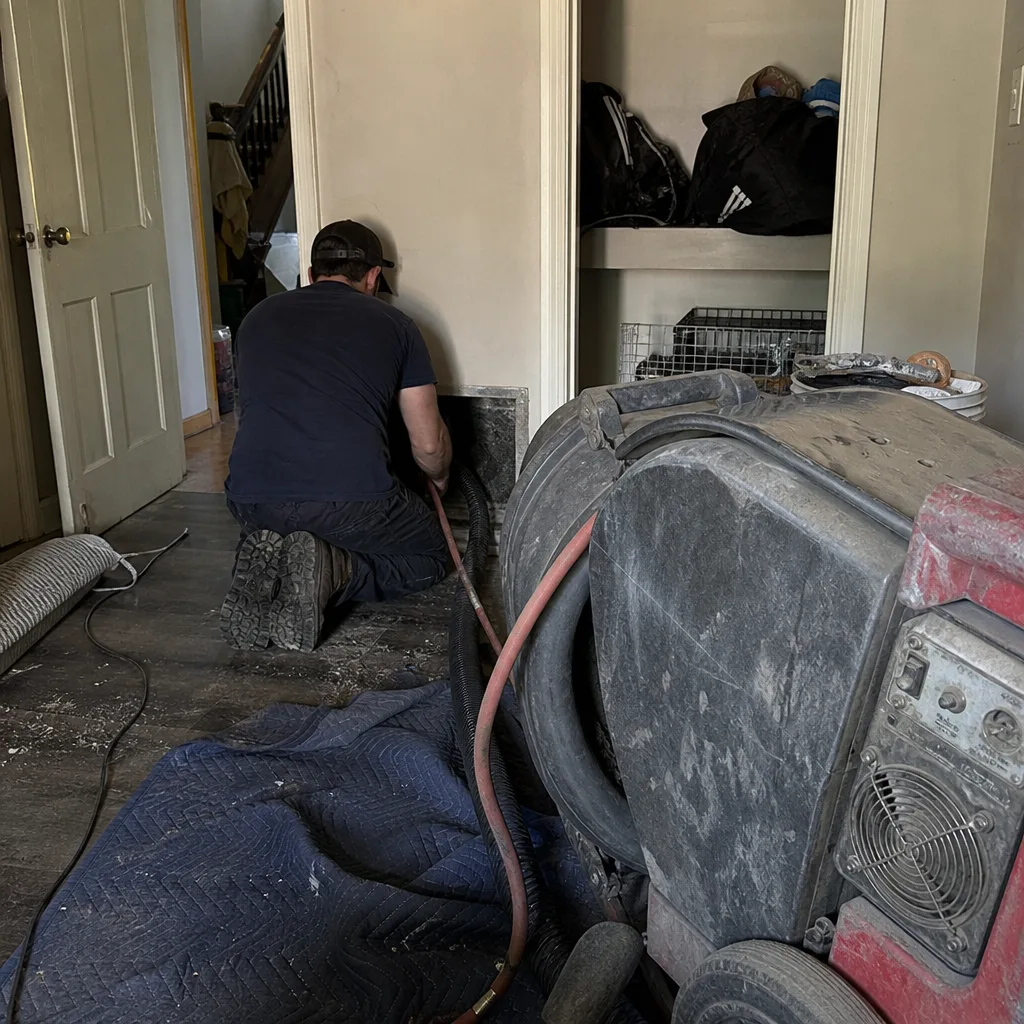 Before
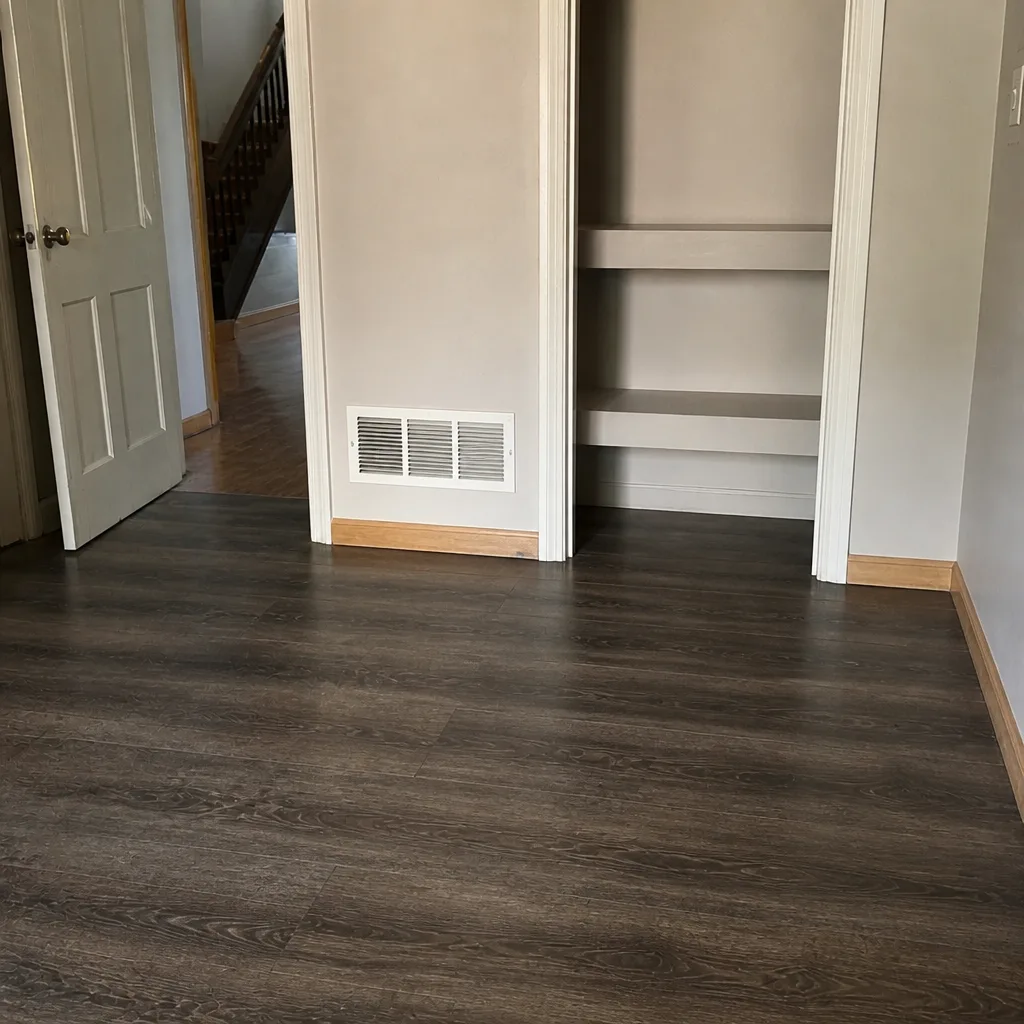 After
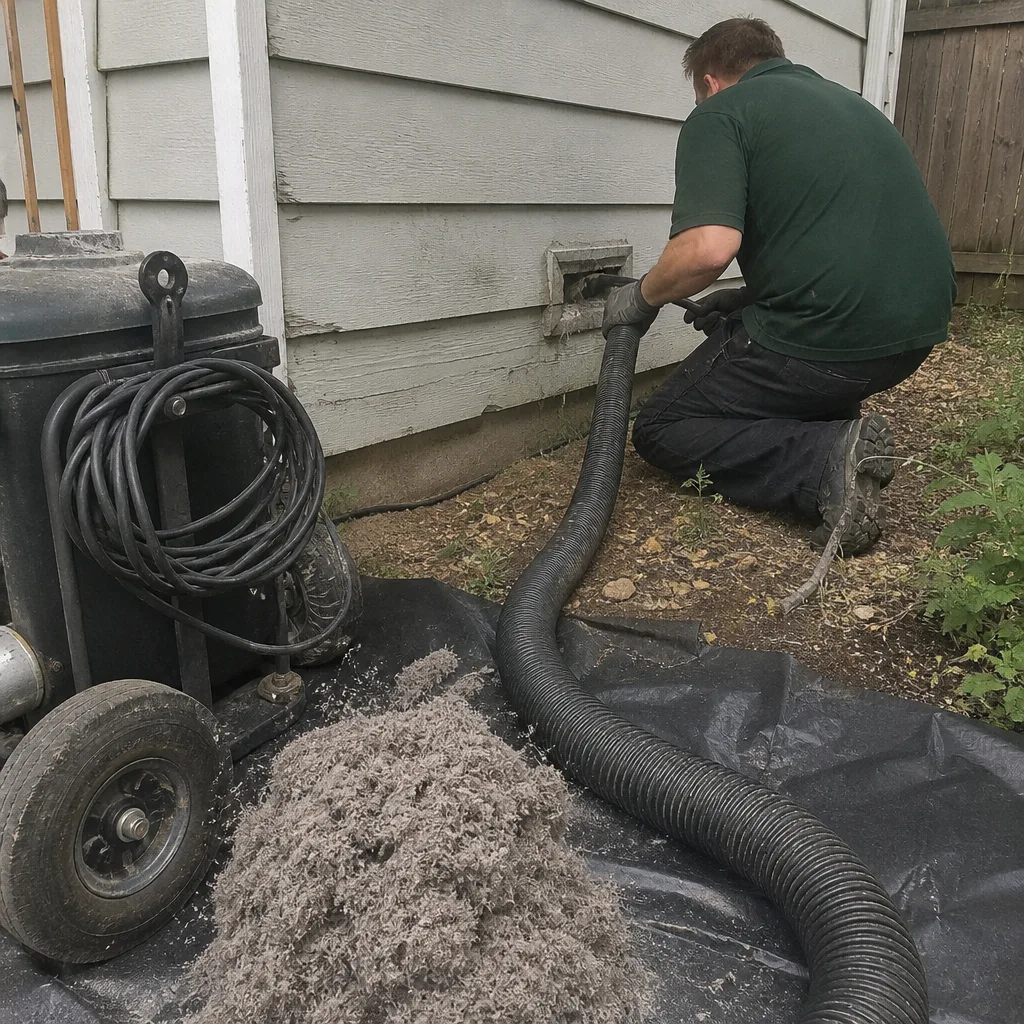 Before
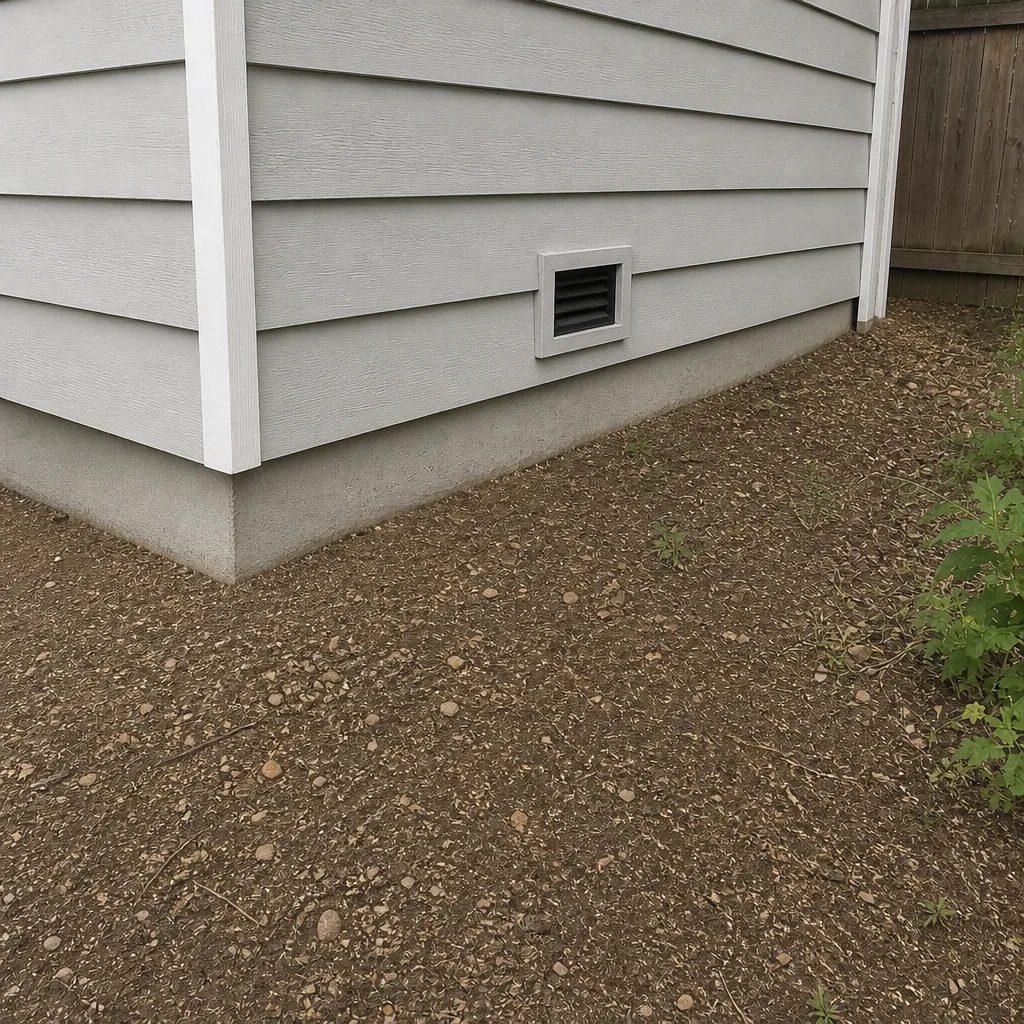 After
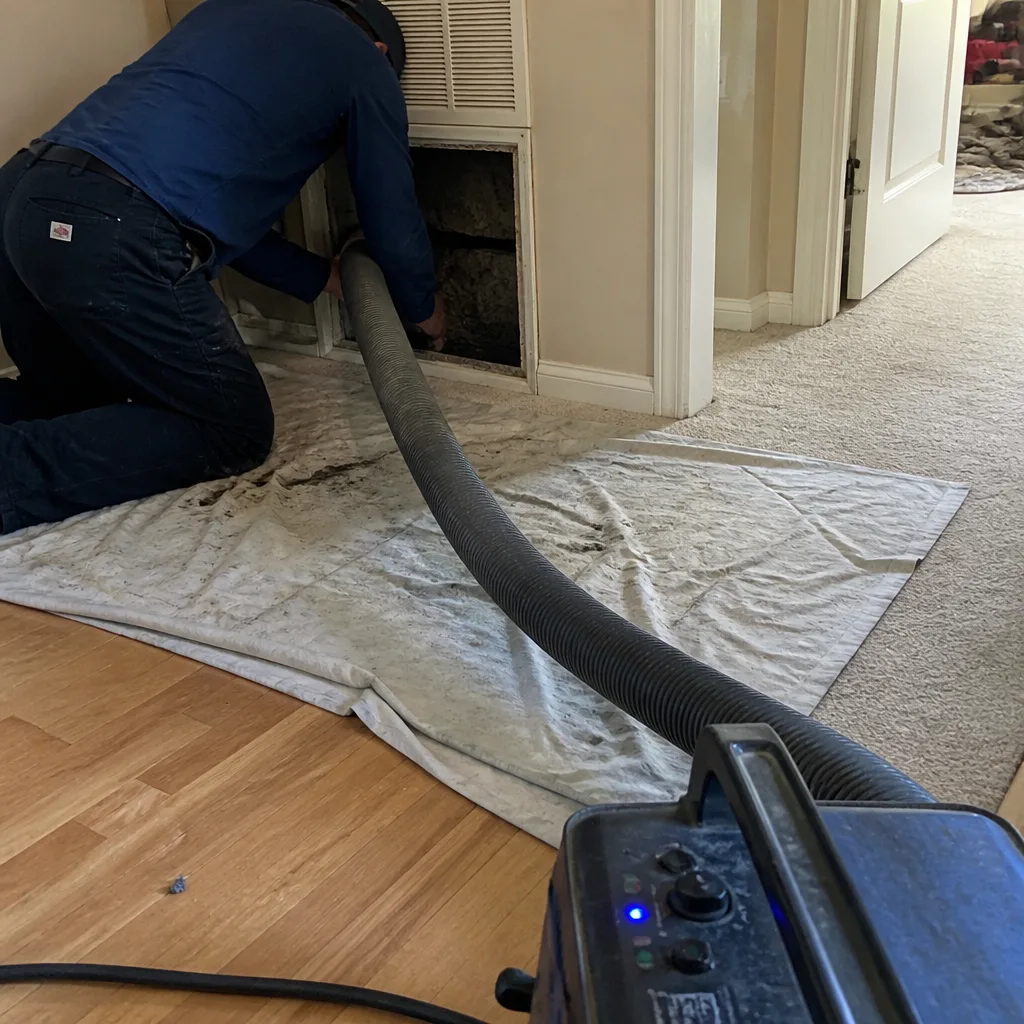 Before
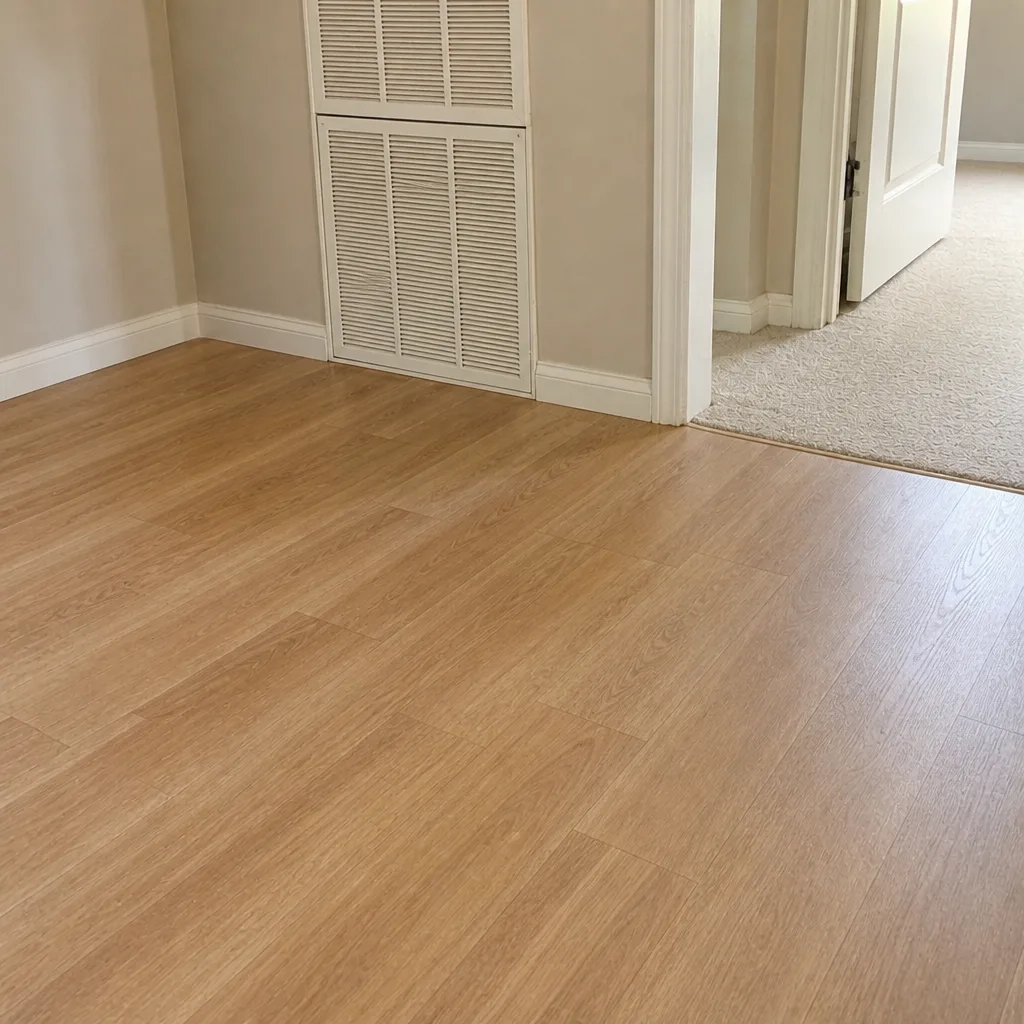 After
When to Call a Professional
Some duct issues are a cleaning task. Some are a repair task. Some are a code task. The line between them isn’t always obvious from inside the house, and that’s when a professional call is worth it. Call us if any of the following sounds familiar: dust returns within days of a cleaning, rooms in the house are consistently hotter or colder than the thermostat setting, the ductwork makes noise when the system runs, you’re about to authorize duct sealing or repair work and don’t know whether it needs a permit, or you’re buying or selling a Puyallup home and want the ducts evaluated before closing. Our technicians have up to 11 years of experience, and we carry the tools to diagnose the actual condition of the system rather than guess at it.
Puyallup Air Duct Cleaning Pros offers free estimates in Puyallup – call (855) 658-5273. We answer 24/7. Fast dispatch from 7am to 7pm, Sunday through Friday.
Frequently Asked Questions
No. Routine air duct cleaning in Puyallup does not require a permit because cleaning is a maintenance activity, not a change to the mechanical system. What can require a permit is duct repair, sealing beyond minor patching, or any modification that changes the system’s design or configuration. If the work on the estimate is described as a change, ask about the permit. Call (855) 658-5273 for an exact quote – estimates are free.
The licensed mechanical contractor performing the work pulls the permit. That’s the contractor’s responsibility, not the homeowner’s, and a legitimate contractor will do it without complaint. If you’re being asked to pull the permit yourself for duct work on your own home, that’s a good sign the contractor isn’t properly licensed for the scope. Call (855) 658-5273 if you want to talk through what’s actually being proposed before you authorize it – estimates are free.
WAC 173-491 is the state rule implementing Washington’s Indoor Clean Air Act, and it regulates smoking and vaping in public places and workplaces, including distance from entrances and air intakes. It doesn’t regulate residential duct cleaning. Residential duct work is governed by the state mechanical code and, for modifications, enforced through Pierce County. If a contractor cites the Indoor Clean Air Act as the reason your residential duct work needs special treatment, ask for the code section – they won’t have one. Call (855) 658-5273 to talk through any duct work question – estimates are free.
Often, yes. Home inspectors flag signs of duct modification – mismatched materials, new registers without a corresponding plan, duct sizing that doesn’t fit the system – and the report will usually recommend further evaluation or verify permits. That line can push a negotiation into renegotiation, and the buyer’s lender treats it as risk. A closed permit from the original work is a document you hand over, and that’s usually the end of the conversation. If you’re facing this now, call (855) 658-5273 to schedule an evaluation – estimates are free.
A lot of Puyallup homeowners come to us after seeing an ad for a very low price and receiving a much larger invoice once the technician was on site. The honest way to price duct cleaning is per system, agreed in writing before work starts, with no per-vent pricing. Ask for the written scope, the square footage or number of systems covered, and before-and-after photos of your own ducts. If a quote is dramatically lower than others, ask what the price excludes. Call (855) 658-5273 for an exact quote – estimates are free.
For most Puyallup homes, a full duct cleaning every three to five years is a reasonable baseline, with adjustments for system condition, filter quality, and household factors like pets or recent remodeling. The local climate matters because Puyallup’s mild, wet shoulder seasons mean the heating system runs intermittently, which gives condensation more time to sit on poorly insulated duct runs. If you’re noticing dust or musty odors returning faster than usual, the ducts are telling you something. Call (855) 658-5273 to get a condition assessment – estimates are free.
The Bottom Line
The permit question isn’t about whether you trust your contractor. It’s about who owns the record of what was done to your home. Cleaning doesn’t need a permit and shouldn’t be sold as if it does. Repair, sealing, and modification can need a permit, and the contractor performing the work should handle it. Keep the paperwork. Know where maintenance ends and mechanical modification begins. Ask the seven questions before you authorize anything. And if you’re in Puyallup and want a straight answer about what your ducts actually need – cleaning, repair, sealing, or a permit – that’s the conversation we’re set up to have. See what’s moving through your air before you decide anything else.
Call (855) 658-5273. We answer 24/7. Fast dispatch from 7am to 7pm, Sunday through Friday.
Written by the team at Puyallup Air Duct Cleaning Pros.